English
 French
 Spanish
 Russian
 Arabic
 Italy
Italy
City Introduction
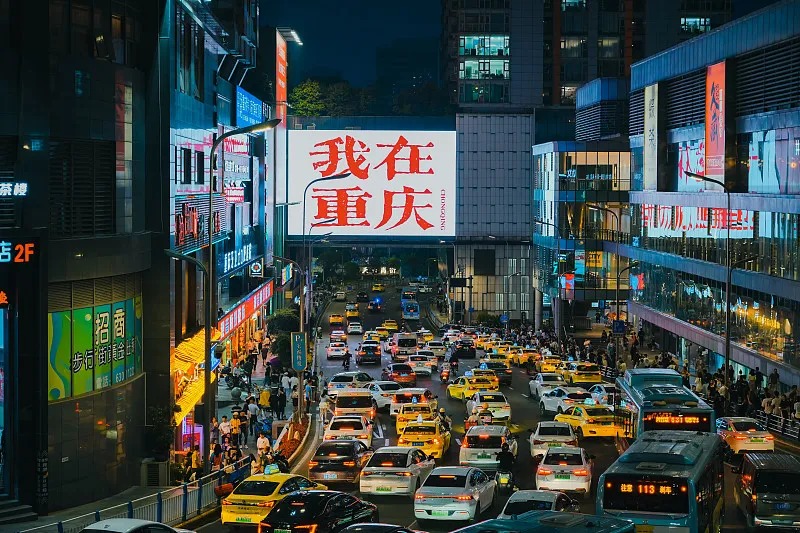
Bordered by mountains and traversed by rivers, Chongqing is where the Yangtze River and Jialing River converge, with mountainous terrain dominating most of its territory. This unique geographical feature forms its iconic reputation as a “Mountain City” and “River City”. Layered slope streets, riverside stilted buildings, cross-river bridges and urban cableways jointly shape its one-of-a-kind three-dimensional urban landscape. The large-scale “Huguang Migration to Sichuan” in history facilitated the integration of Central Plains and Jiangnan cultures with local Bayu culture, cultivating Chongqing’s open, inclusive, bold and resilient regional ethos. A wealth of intangible cultural heritages, including Chuanjiang Haozi (Yangtze River Rowers’ Chants), Sichuan Opera, Shu embroidery and traditional paper cutting, have been passed down through generations. Spicy hot pot and authentic folk customs have become the most distinctive cultural symbols of Chongqing. Blending ancient heritage with modern vitality, Chongqing serves as a pivotal economic, cultural and transportation hub in the upper Yangtze River basin, presenting a charming urban landscape where natural scenery, profound humanity, folk customs and modern fashion blend harmoniously.
Famous Scenic Spots in Chongqing
1. Hongya Cave Folk Custom Area
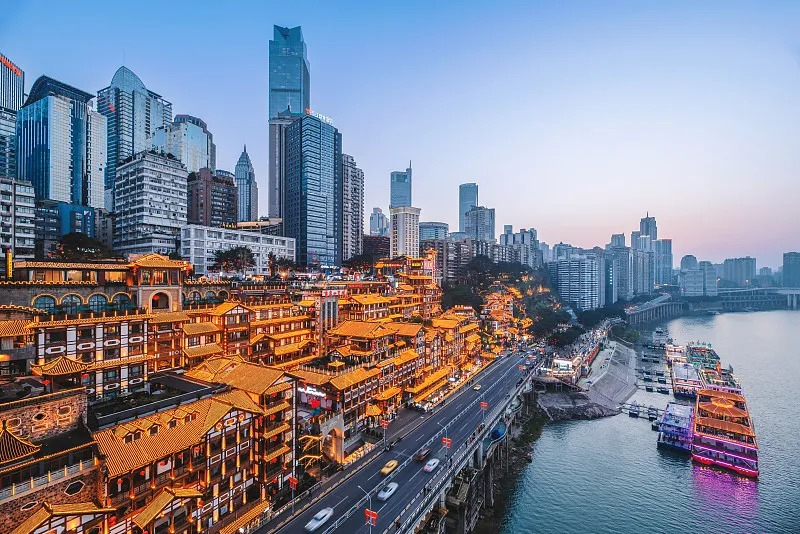
It stands as a core symbol of the millennium-old Chuanjiang wharf culture. In ancient times, the Jialing River wharf was crowded with merchant vessels, attracting boatmen, peddlers and local residents to gather and settle here. Rowers’ chants and bustling market voices once lingered along the river, forming a simple and vigorous wharf folk culture. Today, Hongya Cave integrates folk customs, local delicacies, cultural and creative works and sightseeing functions. Its streets are lined with intangible cultural heritage studios, traditional teahouses and specialty snack stalls, with regular Sichuan Opera and folk performances that vividly carry forward Bayu folk traditions. After nightfall, the entire complex is lit up with gorgeous lights. The ancient buildings with upturned eaves are reflected on the river, forming a striking contrast with the modern high-rises on the opposite bank. Perfectly integrating ancient charm and modern prosperity, it preserves the precious nostalgic memories of old Chongqing and features a world-famous mountain city night view, making it a core landmark for interpreting the profound mountain, river and folk cultures of Bayu.
2. Ciqikou Ancient Town
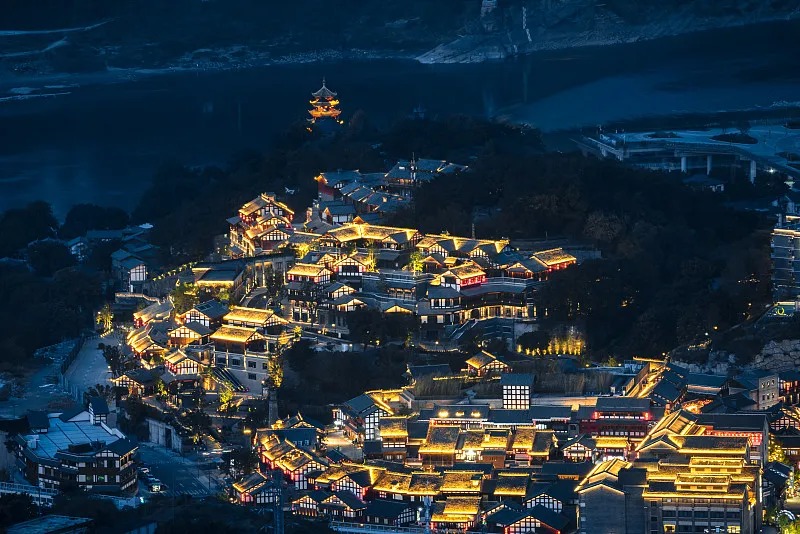
The ancient town is endowed with profound humanistic heritage. Baolun Temple, constructed in the Song Dynasty, has maintained enduring incense for over a millennium and serves as an important inheritance base of local Buddhist culture in Chongqing. Winding bluestone streets and well-preserved architectural complexes of the Ming and Qing dynasties retain the original layout of the ancient town. Traditional intangible crafts including twist frying, bamboo weaving, paper cutting and Shu embroidery have been inherited here for centuries. Teahouses scatter across the streets, where folk storytelling, Sichuan Opera and traditional folk music are performed, fully demonstrating the leisurely and bold temperament of Bayu people. During the War of Resistance against Japanese Aggression, numerous scholars and patriots resided here, enriching the town with profound revolutionary and literary heritage. Free from the hustle of ancient commercial trade, Ciqikou retains the most authentic folk customs of old Chongqing, acting as a vivid epitome of Bashu’s rural culture, commercial culture and folk traditions.
3. Dazu Rock Carvings (Baodingshan Carvings)
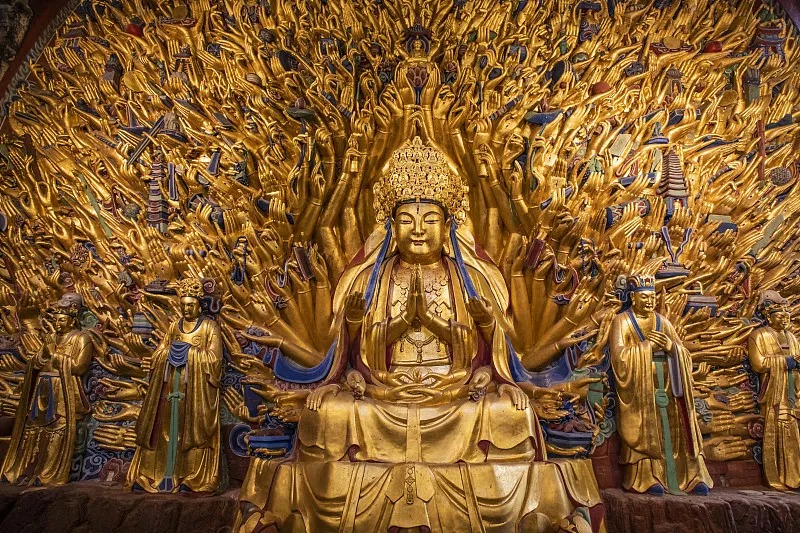
The carvings feature rich and exquisite themes, among which the Thousand-Hand Guanyin, Reclining Buddha and Cowherd Pasture are timeless masterpieces of ancient art. Ancient craftsmen adopted exquisite carving techniques to shape vivid statues with elegant and flowing robes. The lifelike scenes of ancient people working, resting and chatting truly reproduce the social outlook, folk customs and daily life of the Bashu region in the Song Dynasty. More than mere religious artworks, the carvings serve as a popular folk moral education system, promoting traditional Chinese virtues of loyalty, filial piety, diligence and kindness through vivid stone-carved stories. After thousands of years of wind and rain erosion, the carvings still retain their vivid grace. They not only reflect the superb craftsmanship of Song Dynasty artisans, but also record the ideological cultures and folk beliefs of Bashu across millennia, standing as an unparalleled folk art treasure in Chinese grotto culture.
4. Liberation Monument
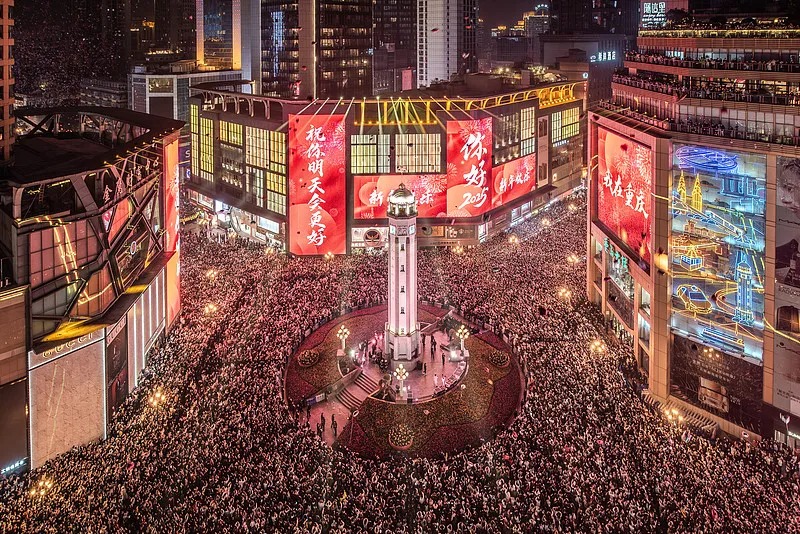
During the war, Chongqing functioned as China’s provisional capital and the political, military and cultural core of the national resistance campaign. The monument embodies the unwavering faith and fighting spirit of Chongqing’s soldiers and civilians, witnessing the perseverance and national integrity in turbulent times. It is a crucial physical carrier of the Hongyan Spirit and the spirit of resisting aggression. Evolving from an old urban street center into a top-tier prosperous business district in southwest China, the solemn monument now stands amid bustling modern streets, perfectly integrating profound historical heritage with vibrant urban fashion. It carries the historical memories of old Chongqing and records the modern development of new Chongqing. As a cultural landmark for remembering extraordinary years and inheriting red spirits, it is also a classic city card that witnesses Chongqing’s modernization and interprets its progressive urban spirit.
5. Huguang Guild Hall
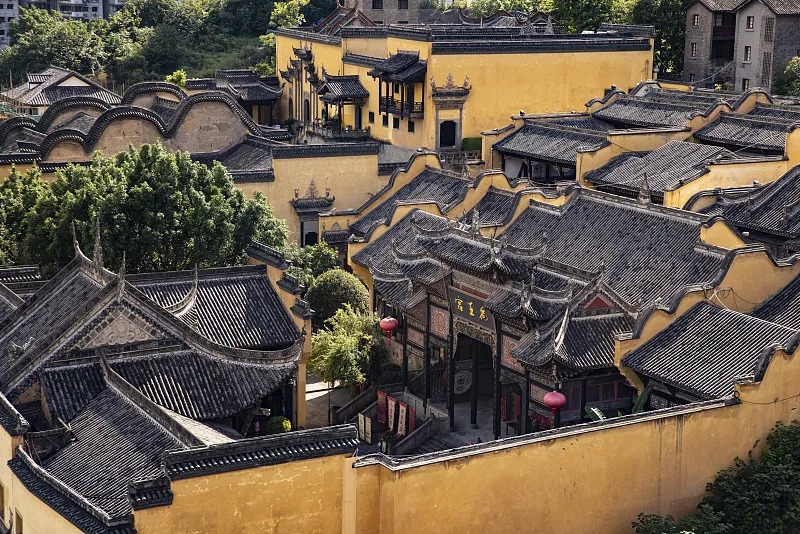
The complex consists of three core courtyards: Yu Palace, Qi’an Guild and Guangdong Guild. Built along mountains and rivers, the layered courtyards adopt an exquisite layout that combines the delicacy of Jiangnan garden architecture with the grandeur of Bayu mountain-style buildings. The corridors, doors, windows and eaves are decorated with exquisite wood, stone and brick carvings of flowers, birds, auspicious beasts and historical tales, fully showcasing the superior architectural craftsmanship of the Qing Dynasty. As a core carrier of immigration culture, the guild hall witnessed the integration of foreign folk customs and local Bayu culture, shaping Chongqing’s inclusive and open urban temperament. At present, it regularly holds Sichuan Opera performances, intangible cultural heritage exhibitions and traditional folk activities, revitalizing the inheritance of immigration history and ancient Bayu culture. It is an important scenic spot for studying Bashu’s immigration history, ancient architecture and regional folk customs.