English
 French
 Spanish
 Russian
 Arabic
 Italy
Italy
Foshan City
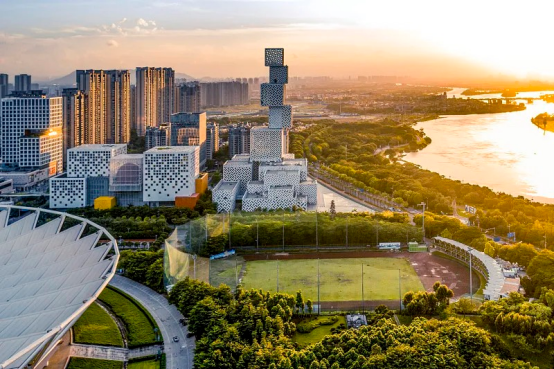
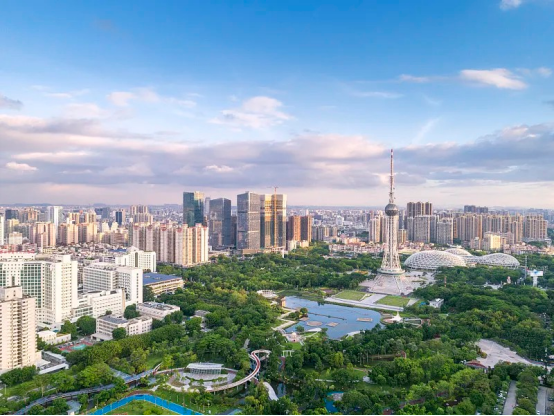
Foshan is located in the core hinterland of the Guangdong-Hong Kong-Macao Greater Bay Area, adjacent to Guangzhou, boasting a superior geographical location and convenient transportation. Historically known as Jihua Township, it was named after the Buddha statue unearthed at Tapogang during the Tang Dynasty. It is a National Historical and Cultural City, the only "City of Martial Arts" in China, and a millennium-old pottery capital of southern China. The city administers five major administrative districts: Chancheng, Nanhai, Shunde, Gaoming, and Sanshui. Among them, Shunde has been awarded the title of "World Capital of Gastronomy" by the United Nations, and has long enjoyed the reputation that "to eat in Guangzhou is to dine in Fengcheng." Foshan seamlessly integrates millennia-old pottery art, traditional martial arts, Lingnan folk customs, and authentic Cantonese cuisine, making it a classic Lingnan city with profound cultural heritage and a vibrant local atmosphere.
I. The Distinctive Culture of Lingnan
1. Kung Fu and Martial Arts Culture
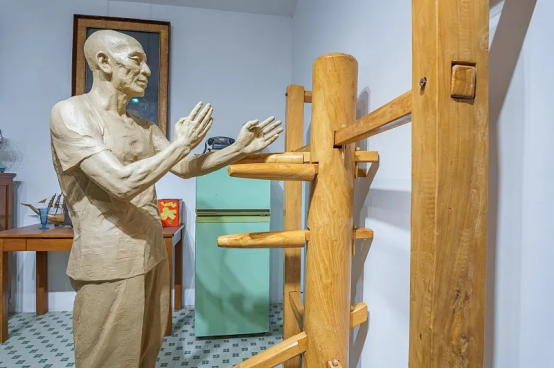
Foshan is the birthplace of Southern Chinese martial arts, renowned worldwide for its profound martial arts cultural heritage and truly deserving the title of "China's Martial Arts Capital." It gave rise to legendary masters such as Wong Fei-hung, Ip Man, and Liang Zan, and serves as the ancestral home of martial arts superstar Bruce Lee. Classic styles like Wing Chun and Hung Kuen have been passed down through generations here. Today, the Wong Fei-hung Memorial Hall and Ip Man Hall at Foshan Ancestral Temple remain open year-round, regularly hosting spectacular martial arts performances and training sessions that attract martial arts enthusiasts from around the world to trace their roots and learn the art. Martial arts culture has long become Foshan's most distinctive city brand.
2. Intangible Cultural Heritage: Lion Dance Culture
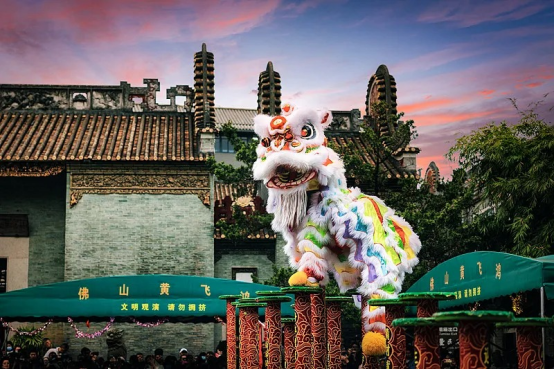
Foshan Lion Dance is a national intangible cultural heritage and the official birthplace of Guangfu-style Lion Dance. The performances integrate Southern martial arts footwork with gong and drum music, featuring powerful movements and grandeur; the high-pole lion dance in particular is thrilling, spectacular, and symbolizes good fortune. During traditional festivals such as Spring Festival, Lantern Festival, and Mid-Autumn Festival, Foshan's streets are filled with the sound of drums and gongs as lions perform their dances, embodying the Lingnan people's aspirations for blessings, prosperity, and protection from evil and misfortune, making it the city's most iconic folk symbol.
3. The Millennium Shiwan Ceramics
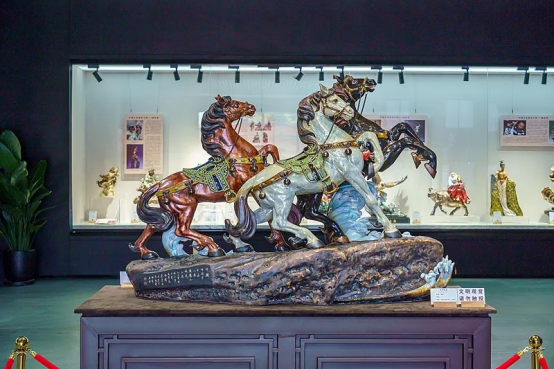
Foshan Shiwan pottery boasts a history spanning over a millennium and is renowned as "Shiwan tiles, the finest under heaven." The Shiwan figurines feature vivid designs, warm colors, and diverse themes—including figures, birds and animals, landscapes, and vessels—all crafted with exquisite artistry and distinct Lingnan characteristics. The flagship attraction, Nanfeng Ancient Kiln, houses a dragon kiln that has operated continuously for five centuries; it is the world's oldest surviving wood-fired dragon kiln capable of producing pottery to this day. Visitors can experience clay shaping and pottery making firsthand, immersing themselves in the enduring legacy of this millennia-old firing tradition.
4. Cantonese Opera and the Culture of Ancient Lingnan Architecture
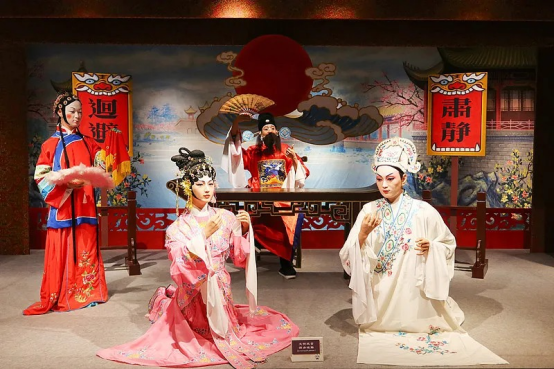
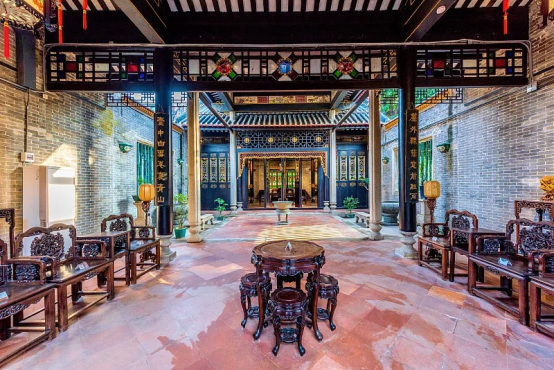
Foshan is a significant birthplace of Cantonese opera. The Qionghua Guild Hall from the Qing Dynasty was the earliest Cantonese opera guild in southern China, while the Wanfu Stage within the Ancestral Temple stands as the best-preserved ancient opera stage from the Qing era in the region, bearing witness to the rise and evolution of Cantonese opera over centuries. Additionally, Foshan boasts a wealth of authentic Lingnan architecture; its distinctive features—including blue-brick houses with pot-shaped eaves, brick carvings, wood carvings, lime sculptures, and pottery sculptures (collectively known as the "three carvings and two sculptures" —have reached artistic excellence. Ancient structures such as Liang Garden and the Ancestral Temple exemplify the refined and elegant aesthetics of Lingnan architecture. Furthermore, traditional customs like Xingtongji ceremonies, dragon boat races, and the writing initiation ceremony have been preserved to this day, embodying a century-old cultural legacy.
II. Must-Visit Unique Attractions
(1) Chancheng District · The Cultural Core of Foshan
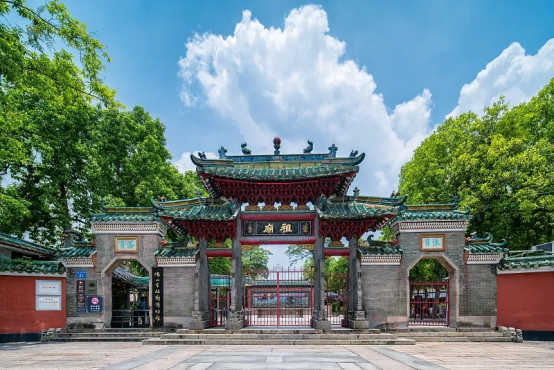
1. Foshan Ancestral Temple: A cultural landmark of Foshan and a treasure house of Lingnan ancient architectural art, it integrates an ancestral hall, opera stage, stone inscriptions, and gardens. The site features the Wong Fei-hung Memorial Hall and Yip Man Hall, where daily scheduled lion dance performances and martial arts shows are held, making it a must-visit destination for understanding Foshan's kung fu culture and folk traditions.
2. Lingnan Tiandi, nestled adjacent to the Ancestral Temple, was transformed from a century-old pot-eared house architectural complex. It preserves authentic Lingnan charm while integrating cultural creativity, trendy cuisine, specialty shops, and a leisure district. Open free of charge, it's a perfect spot for photo opportunities and relaxed dining adventures.
3. Nanfeng Ancient Kiln: A flagship site of millennium-old ceramic culture, it houses a world-renowned living ancient dragon kiln. Visitors can explore the ancient kiln ruins and ceramic workshops, experience handcrafted pottery making firsthand, and immerse themselves in Shiwan's unique ceramic heritage.
4. Liang Garden: One of the four renowned gardens in Lingnan, it features serene courtyards, well-proportioned pavilions and terraces, and striking rock formations set against emerald waters, epitomizing the refined elegance of Lingnan gardens. It stands as a classic destination for experiencing traditional Chinese garden aesthetics.
(II) Shunde District: A Paradise of Gardens and Waterlands
1. Qinghui Garden: The foremost among Guangdong's four renowned gardens and a quintessential example of classical Lingnan architecture. It features towering ancient trees, dynamic light effects in its lattice windows, meticulously arranged rockeries and ponds, exquisite structures, and a profound artistic ambiance, embodying the pinnacle of Lingnan garden aesthetics over centuries.
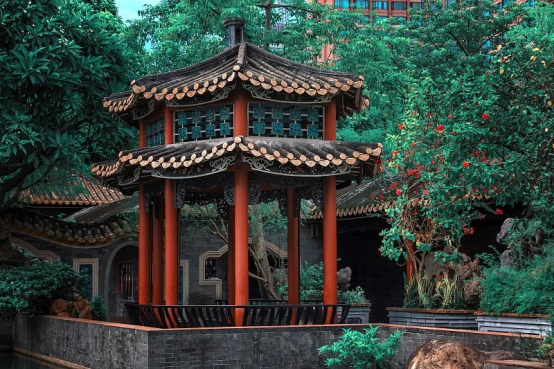
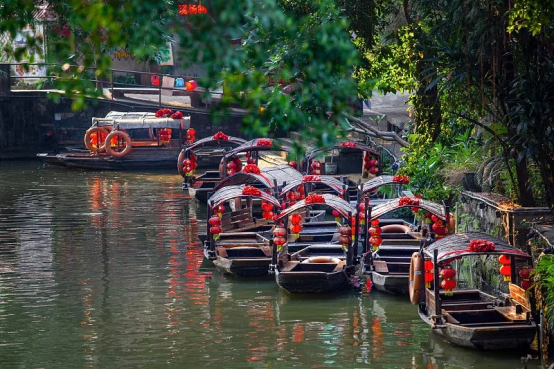
2. Exploring Jian Shui Township: Known as the "Little Zhouzhuang of Guangdong," it features a network of rivers, numerous ancient bridges, and lush banyan trees providing ample shade. Visitors can take traditional black-roofed boats for a leisurely cruise, enjoying the pristine beauty of a Lingnan water town—characterized by tranquility, comfort, and a rich historical charm.
3. Shunfengshan Park: A landmark park in Shunde, featuring a massive stone archway, a lakeside greenway, and stunning views of the lake and mountains. With expansive vistas and beautiful scenery, it is free to enter and ideal for walking, cycling, or leisurely sightseeing.
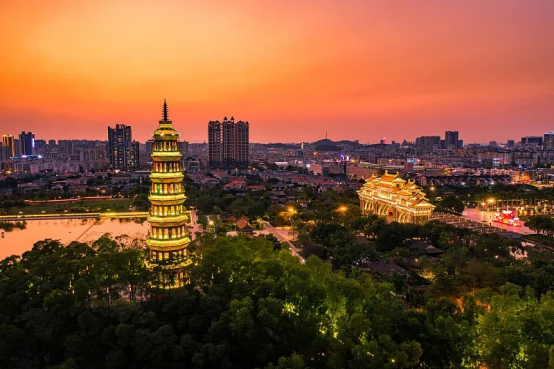
(III) Nanhai District: Natural and Urban Landscapes
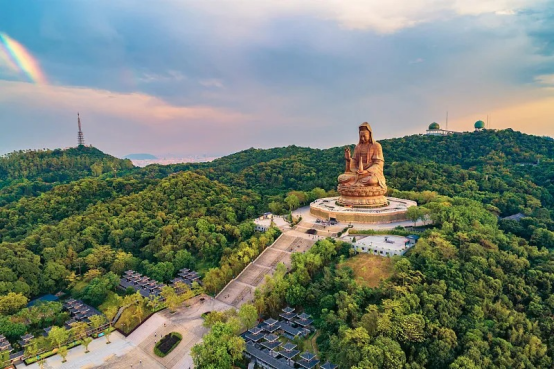
1. Xiqiao Mountain (a 5A-level scenic area): One of Guangdong's four renowned mountains, it is hailed as the "beacon of Pearl River civilization." The mountain boasts serene forests and lush greenery, with a majestic giant statue of Guanyin atop its summit. It combines natural landscapes, religious culture, and forest wellness features, making it ideal for hiking for blessings or leisure vacations.
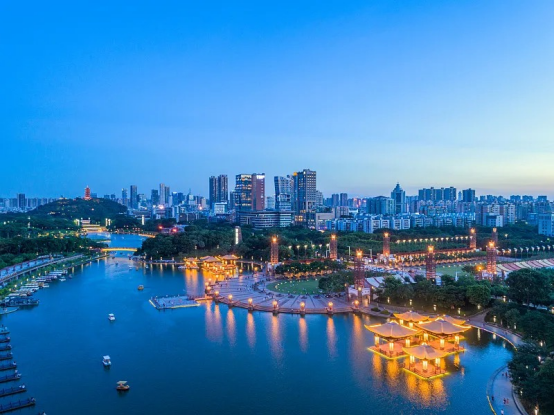
2. Qian Deng Lake: A popular urban lake in Guangzhou and Foshan, it boasts crystal-clear waters and lush vegetation during the day, while at night thousands of lights illuminate the surface, creating a dazzling spectacle. It has become a favorite destination for urban leisure, walking tours, and nighttime photography.
(IV) Sanshui and Gaoming Districts: A Great Place for Family Leisure Activities
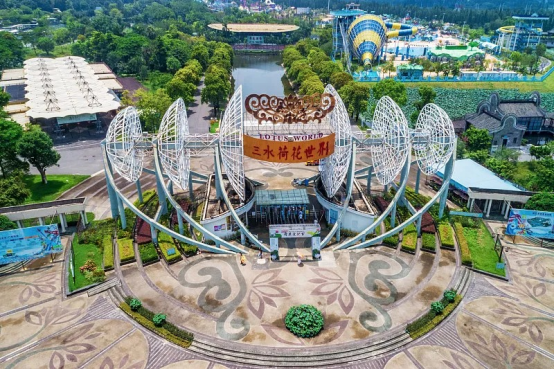
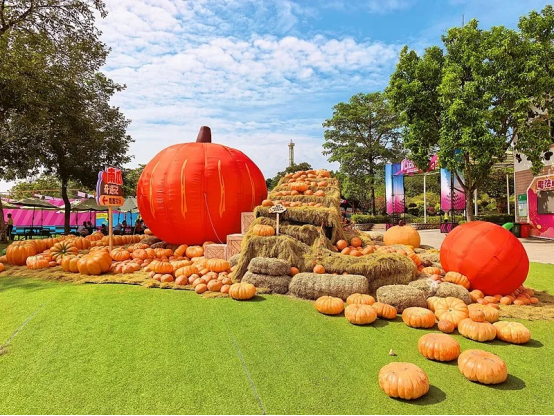
The Sanshui Lotus World and Gaoming Yingxiang Ecological Park are key regional attractions, offering ecological sightseeing, flower viewing, and family-friendly entertainment with diverse activities and a beautiful environment, making them ideal for family trips and short-term leisure vacations.
III. Specialty Cuisine (Flavors of the World Capital of Gastronomy)
As a UNESCO-recognized World Capital of Gastronomy, Shunde in Foshan is the birthplace of Cantonese cuisine. Its dishes emphasize freshness, tenderness, authentic flavors, and meticulous preparation with coarse ingredients, boasting a distinctive culinary style.
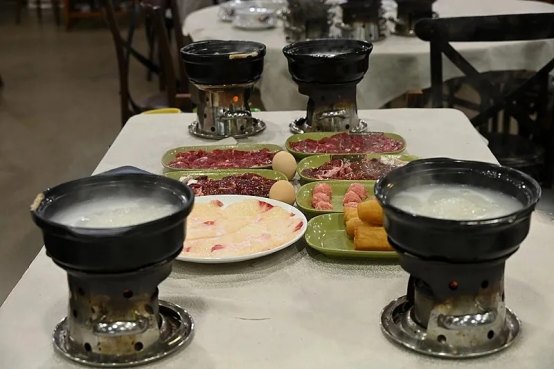
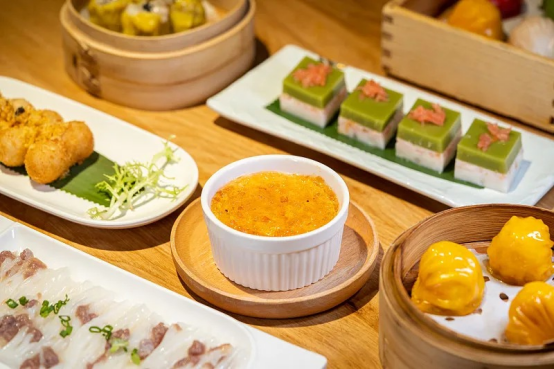
1. Signature Dish of the Restaurant
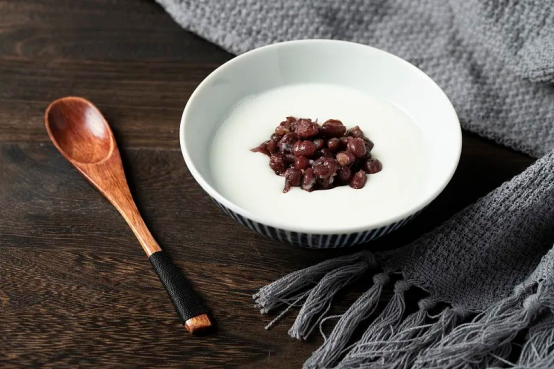
Shunde Double Skin Milk Cake: A classic Daliang dessert crafted from water buffalo milk, featuring a double-layered milk skin that is smooth and dense with a rich, sweet aroma. It's a must-try local specialty in Foshan, with Renxin and Minxin being the most iconic establishments serving this dish.
Shunde Fish Sashimi: A signature dish of Shunde, featuring fresh freshwater fish thinly sliced and paired with over ten ingredients including shredded ginger, lemon leaves, peanuts, and scallion oil. It offers a fresh, sweet, and refreshing taste with tender meat that retains its authentic flavor.
Jun 'an Steamed Pork: A highly recommended delicacy from "A Bite of China", this dish is prepared by steaming the entire pig using traditional methods, resulting in tender and chewy meat that is rich yet not greasy, with a fresh and aromatic flavor. It stands as a classic dish in Shunde's banquet culture.
Foshan Zhuhou Chicken: A century-old traditional delicacy, simmered in a secret Zhuhou sauce that delivers rich soybean aroma and tender, flavorful chicken – a quintessential representative of Foshan's classic Cantonese cuisine.
Dexin Zhaiyun Braised Pig Trotters: A distinctive intangible cultural heritage dish featuring boneless pig trotters bound and marinated in a rich broth, resulting in tender meat with crisp skin and an intense aromatic flavor—a time-honored tradition with unique characteristics.
Daliang Stir-Fried Milk: A quintessential example of classic Cantonese stir-frying techniques, it boasts a rich dairy aroma and an exceptionally smooth, tender texture that melts in the mouth—a truly distinctive dish.
2. Traditional local snacks
Chen Village Rice Noodles, Lunjiao Cake, Daliang Sandstone Powder, Jinbang Milk, Blind Man's Cake, Yingji Yuntun and Zhusheng Noodles, Wu Mi Porridge Hot Pot, Sauna Chicken, Perilla-Fried Dumplings – a diverse selection of authentic flavors that offer a complete experience of Cantonese culinary traditions.
IV. Urban Summary
Foshan is a renowned Lingnan city that blends grandeur with warmth. It boasts the majestic energy of Kung Fu lion dance performances, the meticulous craftsmanship of millennia-old pottery traditions, the elegant charm of classical gardens, and the vibrant atmosphere of a world culinary capital. Located near Guangzhou with excellent transportation links and abundant cultural tourism resources, Foshan offers visitors the chance to experience authentic Cantonese traditional culture while indulging in authentic Cantonese cuisine, making it a highly attractive cultural and leisure destination within the Greater Bay Area.