English
 French
 Spanish
 Russian
 Arabic
 Italy
Italy
Shantou, located in the eastern part of Guangdong Province at the southern end of the Han River Delta, is one of China's five special economic zones and enjoys the reputation as a "century-old commercial port, a coastal hub of culture, and the hometown of red-headed boats." Officially opened as a port in 1860, Shantou serves as a crucial gateway to the modern Maritime Silk Road and is nationally renowned as a hometown of overseas Chinese, with the saying "one Chaozhou-Shantou within China, another abroad." As the core city of Chaozhou-Shantou culture, it combines historic streets rich in overseas Chinese heritage, coastal landscapes, intangible cultural traditions, and exquisite local cuisine. The old town preserves centuries-old urban vitality, while its coastal area boasts stunning mountain-sea vistas, making it a seaside city that blends profound historical heritage with serene maritime beauty.
I. Core Cultural Attractions
1. Xiaogongyuan Port Area (Urban Landmark)
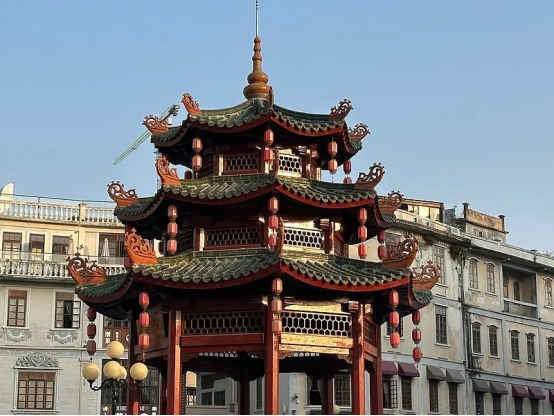
The largest modern circular arcade building complex in China, centered around the Sun Yat-sen Memorial Pavilion with roads radiating outward, blends Nanyang Baroque style with Lingnan architectural characteristics, serving as a microcosm of Shantou's century-long history as a treaty port. Key attractions include the Shantou Hotel, Nansheng Department Store, Laomagong Temple, Qiaopi Cultural Relics Museum, and the Port Opening Culture Exhibition Hall. The evening scenery is particularly atmospheric; intangible cultural heritage performances such as Chaoju opera and Yingge dance are regularly staged, while traditional Chaoshan crafts like embedded porcelain and Chaozhou embroidery are ubiquitous on the streets. The saying "Before Shantou became a treaty port, Laomagong Temple already existed" perfectly illustrates its long-standing history.
2. Overseas Chinese Mail Relics Museum
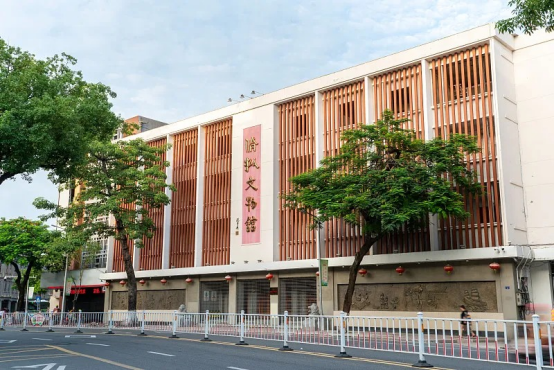
The specialized museum with the largest collection of overseas Chinese remittance letters in China. These letters, known as "silver letters," served as both personal correspondence and financial documents sent by modern Chaoshan Chinese immigrants to Southeast Asia for livelihoods while returning home; they represent a world-class cultural heritage. Each letter embodies the nostalgia and life journey of overseas Chaoshan compatriots, making it a pivotal venue for understanding Shantou's overseas Chinese culture and its century-long history of emigration.
3. Xidi Park
This coastal park, dedicated to overseas Chinese culture and adjacent to Neihai Bay, features a memorial wall showcasing the history of overseas Chinese letters (qiaopi) and recreates the historic ferry landing where red-headed boats once departed for sea voyages. With its expansive view, it serves as an ideal vantage point to witness sunset over Shantou Bay and admire the city's skyline—a tranquil, rejuvenating space with a truly immersive atmosphere.
4. Square Ferry
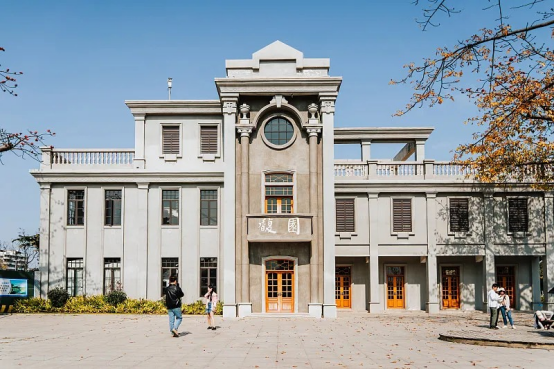
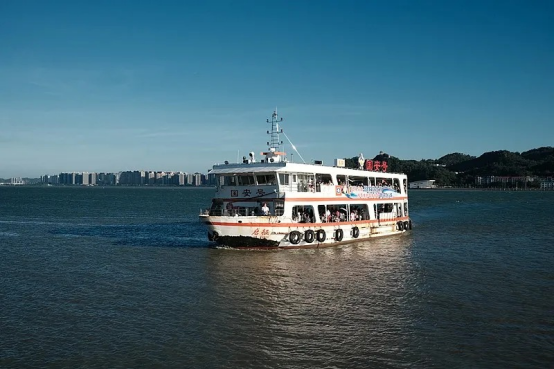
Shantou's unique and affordable experience program offers a ferry ride across the Inner Bay for just 2 yuan, allowing you to enjoy close-up views of the cities on both shores. The sunset ferry service is particularly popular—a gentle evening breeze and panoramic sea views make it a hidden gem of a low-cost romantic experience for locals.
5. Lishi Scenic Area (4A-level attraction)
A renowned natural and cultural scenic area in Shantou, it faces the city across the river. The mountains feature rugged rocks and numerous cliff inscriptions, accompanied by lush forests and a serene environment. From the summit, visitors enjoy panoramic views of the entire Shantou city and the Inner Bay. Equipped with cable cars and ski slopes, the area is ideal for leisure hiking and family outings.
6. Former Residence of Chen Cihong (Chenghai)
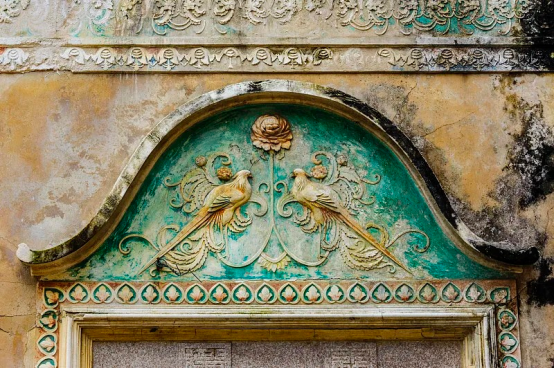
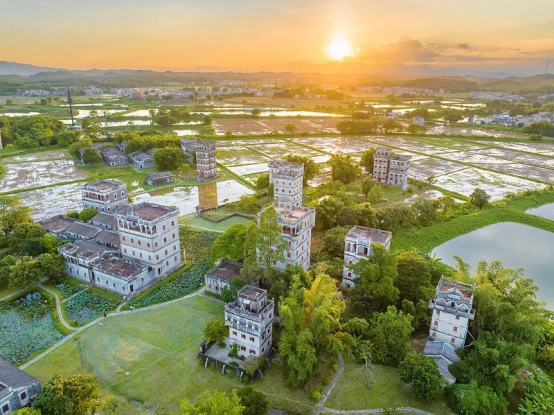
Revered as the "First Overseas Chinese Residence in Lingnan," it stands as the largest ancient residential complex blending Chinese and Western architectural styles in the Chaoshan region. Adhering to the classic Chaoshan design principle of "four-horse-drawn carriage," it integrates Chinese decorative carvings, Lingnan courtyard layouts, Western ceramic tiles, and corridor craftsmanship, featuring exquisite details and grandeur that fully embody the architectural aesthetics and industrial heritage of modern overseas Chinese communities.
II. Coastal Natural Attractions
1. Nan'ao Island (the flagship island of Shantou)
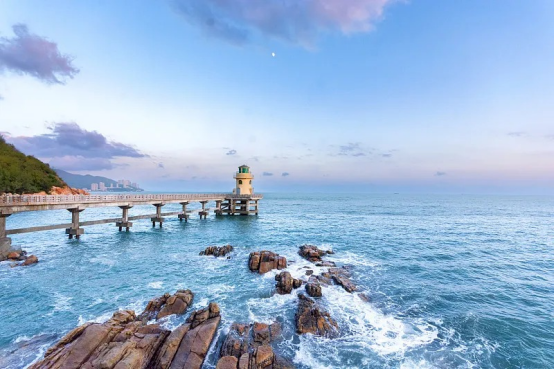
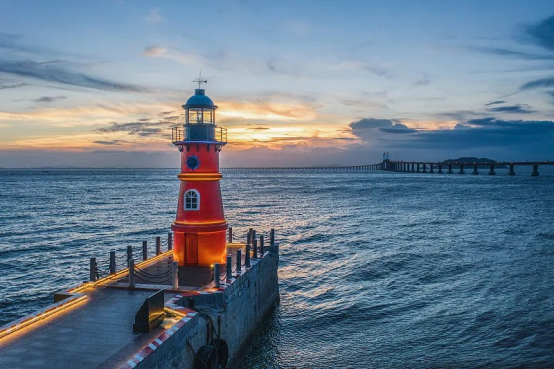
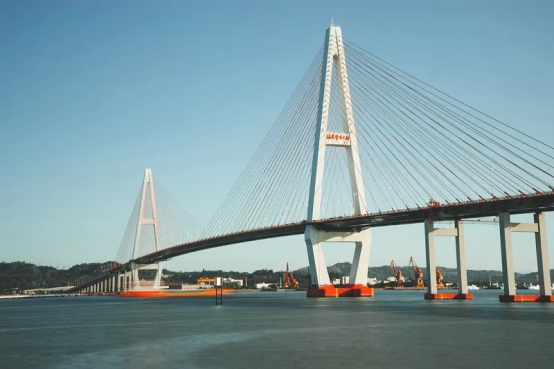
Shantou is the only county in Guangdong Province that forms its own administrative division and connects to the urban area via the Nan 'ao Bridge, making it a popular coastal travel destination. The entire island boasts stunning panoramic sea views, ideal for self-driving tours, cycling, and watching sunrises and sunsets. Key attractions include Qing' ao Bay, known as the "Oriental Hawaii," with its fine, gentle beaches and the Tropic of Cancer marker tower called the "Gate of Nature," which ranks among Guangdong's premier spots for viewing sea sunrises; Songjing, situated on the beach and surrounded by seawater with consistently clear, freshwater-quality water year-round; as well as the Changshanwei Lighthouse, Sancuiyan Lighthouse, and Fengmeshan, all popular internet-famous spots offering activities such as seafood fishing, beach camping, and marine recreation.

2. Lianhua Peak Scenic Area (Chaoyang)
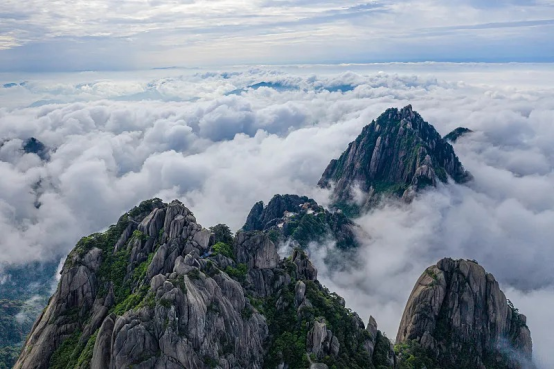
This scenic area combines rich cultural history with coastal beauty, where legend has it that Southern Song scholar Wen Tianxiang ascended its summit to gaze upon the sea and express his aspirations—a tale that has endured through the ages. The area features magnificent coastal granite formations where mountains meet the sea, blending natural landscapes with a profound heritage of loyalty and righteousness, making it a flagship attraction in Chaoyang.
III. The Distinctive Chaoshan Culture of Shantou
1. Overseas Chinese Cultural Heritage (the core cultural foundation of the city)
Shantou is the birthplace of red-headed boats setting sail; throughout modern history, countless Chaozhou people departed from here for Southeast Asia to engage in commerce and establish their careers. The city's extensive network of overseas Chinese residences, ancestral halls, schools funded by overseas donations, and archival records of remittance letters serve as tangible witnesses to overseas Chinese culture. The spirit of these pioneers—marked by courage, dedication, reverence for culture and integrity, and deep attachment to their homeland—is the most distinctive characteristic of Shantou's urban identity.
2. Chaoshan Kungfu Tea
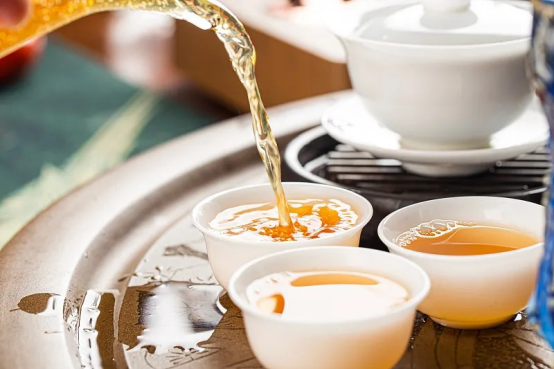
The practice of tea ceremony embodies the daily etiquette and cultural symbols of Chaoshan people—it is not merely about drinking tea, but a complete and rigorous ritual of tea preparation. Every household possesses essential tea trays and utensils, and serving guests always begins with brewing tea. The traditional brewing techniques exemplified by "Guan Yu patrolling the city" and "Han Xin inspecting troops" have been passed down through generations, serving as vital vehicles for social interaction, personal cultivation, and the preservation of family traditions among Chaoshan residents.
3. Chaoju Opera
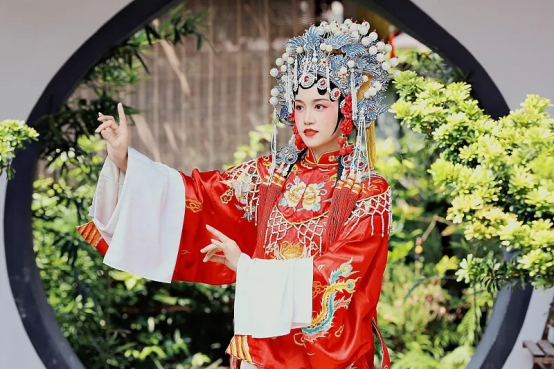
Revered as the "Flower of the South," this art form originates from Southern Opera and is performed in authentic Chaoshan dialect, featuring a melodious, intricate vocal style with enduring charm. It has been recognized as a national intangible cultural heritage. Regular public performances are held at opera stages in Shantou's historic downtown area, serving as a collective cultural memory for the older generation of Chaoshan residents.
4. English Song Dance (Chinese War Dance)
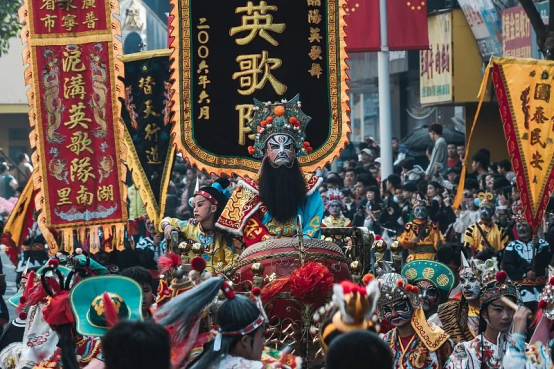
As a national intangible cultural heritage and the flagship representative of Chaoshan folk culture, it is hailed as the "Chinese War Dance." Dancers portray heroes from Water Margin, wielding twin mallets in rhythmic movements that exude intense momentum, grandeur, and formidable power. During festivals such as Spring Festival, Lantern Festival, and deity processions, this heroic dance always takes center stage, embodying the most vibrant and passionate folk celebration in the Chaoshan region.
5. Traditional Folk Customs and Crafts
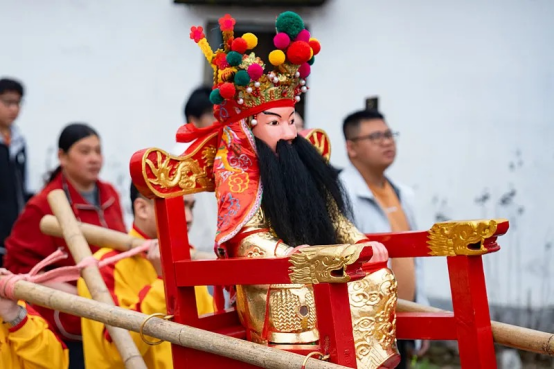
In terms of folk customs, distinctive practices such as Ying Laoye (shrine deity processions), ancestor worship, Mid-Autumn Festival pagoda burning ceremonies, and the Garden Outing ritual (a coming-of-age ceremony) are widely observed, characterized by strong ceremonial significance and distinct regional features. Traditional crafts—embossed porcelain, Chaozhou embroidery, and Chaoshan wood carving—form the three core elements, extensively used in decorating ancestral halls, temples, and historic buildings; renowned for their vibrant colors and exquisite craftsmanship, they represent the essence of Chaoshan folk art.
6. Chaoshan Dialect
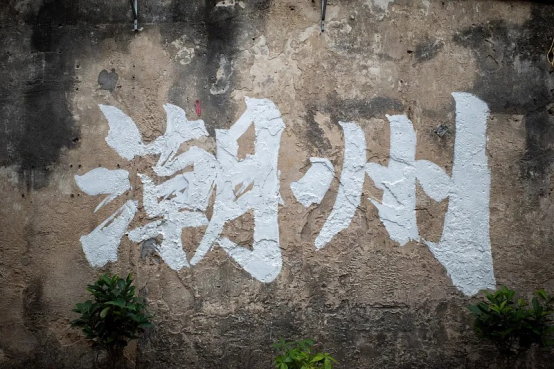
They speak the Chaoshan dialect, a branch of Southern Min Chinese that preserves numerous ancient Chinese vocabulary terms from the Central Plains, exhibiting a simple yet elegant style. Locals refer to each other as "Jiaojiren," and this regional accent serves as a emotional bond connecting Chaoshan people worldwide.
IV. Shantou's Signature Cuisine
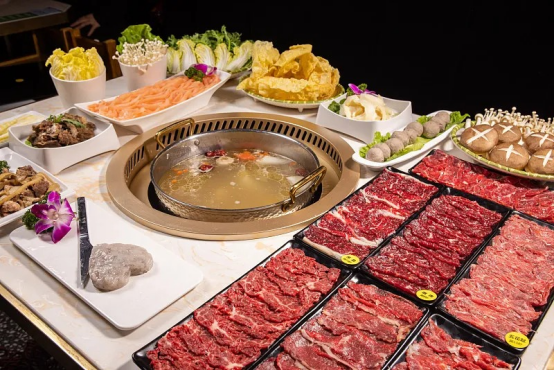
Shantou is widely recognized as the "Capital of Chinese Cuisine" and the birthplace of Chaoshan cuisine, renowned for its emphasis on authentic flavors that are fresh yet not greasy. Its signature dishes include Chaoshan beef hot pot, hand-made beef balls, Chenghai lion-head goose, oyster pancakes, Laoma Gong zongzi balls, pig intestine with glutinous rice, Chaoshan fish rice, guotiao soup, fensha taro, shu ke guo, caoguo, and almond tea. Combining everyday street snacks with high-end Cantonese cuisine, it truly deserves its reputation as a paradise for food lovers.
V. Urban Summary
Shantou embodies both the cultural heritage of a century-old overseas Chinese port and the picturesque coastal scenery embraced by mountains and sea. Compared to Chaozhou's ancient charm, Shantou exudes a more vibrant urban atmosphere and modern coastal character. Here, visitors can stroll through its arcade-lined old streets to explore its centuries-old overseas Chinese history; gather around tea tables to savor the slow-paced lifestyle of Chaoshan; venture to Nan' ao to enjoy the evening breeze over the mountains and sea; or immerse themselves in authentic Chaoshan cuisine—a city that combines warmth, historical depth, and stunning beauty, making it an ideal place to live and visit.