
 English
 French
 Spanish
 Russian
 Arabic
 Italy
Italy
Lai Bin, situated in central Guangxi, is renowned as the gateway to central Guangxi, the global capital of the Yao ethnic group, and the cradle of Pangu culture. It is an eco-friendly and livable city blessed with stunning natural landscapes, profound cultural heritage, and vibrant ethnic traditions. The area boasts world-class ecological scenery of Dayao Mountain, preserves the millennia-old historical legacy of the Tusi system, integrates distinctive cultures of the Zhuang and Yao peoples, and features unique culinary flavors, making it a prominent cultural and tourism destination in central Guangxi.
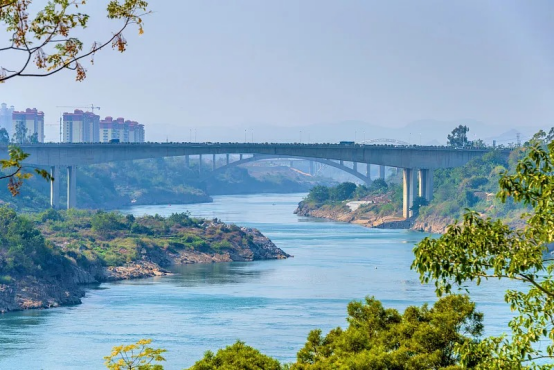
I. Scenic Spots and Historical Sites
(1) Jinxiu Dayaoshan Area – The World Capital of Yao Culture, a Natural Oxygen Bar
1. Shengtang Mountain
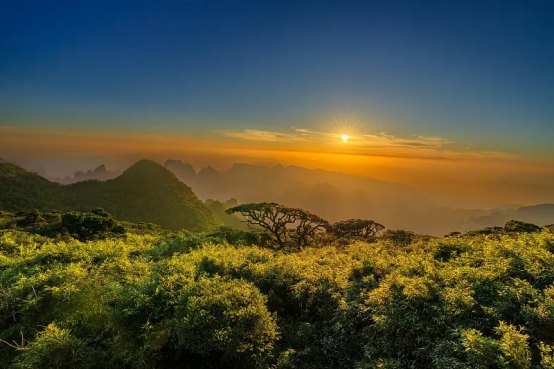
As the highest peak in central Guangxi, this mountain boasts steep terrain and a vast sea of clouds. From April to May each year, alpine azaleas bloom in continuous patches, creating breathtaking scenery. The area is characterized by an exceptionally high coverage of primeval forest and fresh air, making it an ideal destination for summer retreats, mountaineering, and sunrise viewing.
2. Lotus Mountain
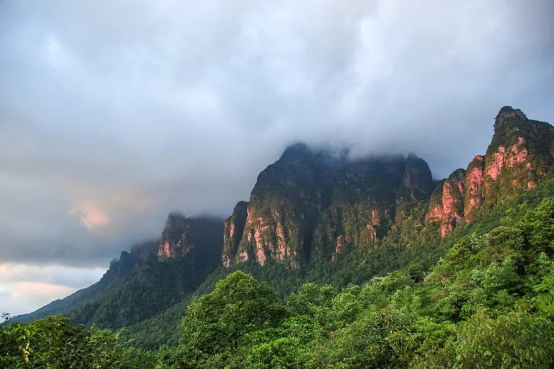
Renowned for its Danxia rock formations and lotus-shaped mountain landscapes, the area features suspended boardwalks winding through the terrain, creating a picturesque scene that has earned it the reputation of "Zhangjiajie in Guangxi." Combining scenic beauty with recreational appeal, it is ideal for visitors of all ages.
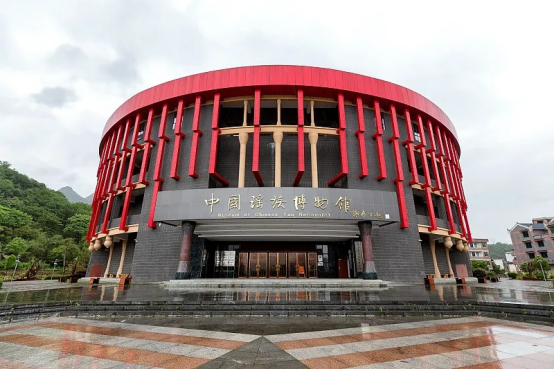
3. Guzhan Yao Village & Jinxiu Yao Ethnic Museum
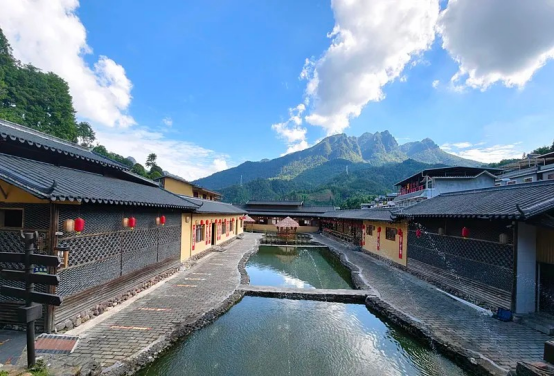
The ancient Guzhen Yao Village preserves the intact traditional lifestyle of the Yao people, offering visitors an immersive experience of local culture. The Yao Ethnic Museum is China's only dedicated exhibition hall themed around the Yao ethnic group, systematically showcasing their clothing, silver ornaments, stone plaque culture, and millennia-old folk traditions.
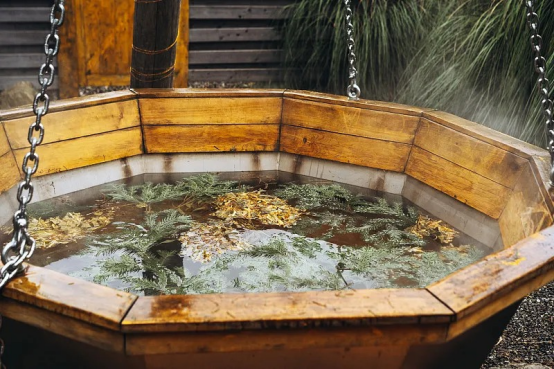
4. Intangible Cultural Heritage: Yao Herbal Bath
Developed from wild herbs of Dayaoshan Mountain, this product is a national intangible cultural heritage wellness program that eliminates wind and dampness while soothing the body and mind, serving as a hallmark health and wellness experience in Laibin.
(II) Xincheng Cultural District – The Ancient Capital of the Local Lords with a History of Thousands of Years
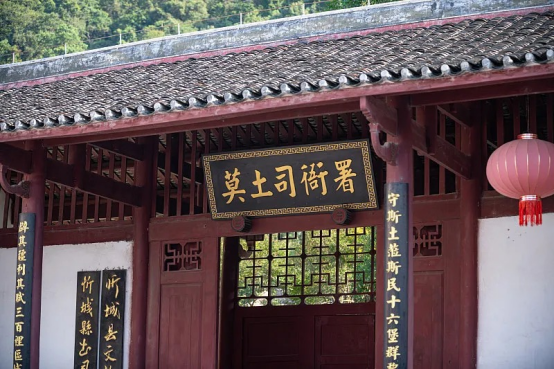
The Office of the Chief Minister of Mo
The largest and best-preserved Ming-Qing dynasty chieftaindom architectural complex in Asia, it is hailed as the "Palace of the Zhuang Ethnic Group." Featuring red-walled ancient structures with complete architectural integrity, it stands as a living testament to five centuries of Zhuang chieftain governance history, serving as a premier destination for educational tours, cultural immersion, and historical exploration. Complemented by the Xincheng Lavender Manor, it offers delightful scenery throughout the year.
(III) Wuxuan Mountain and Water Area – A Secret Canyon Paradise with the Charm of Ancient Villages
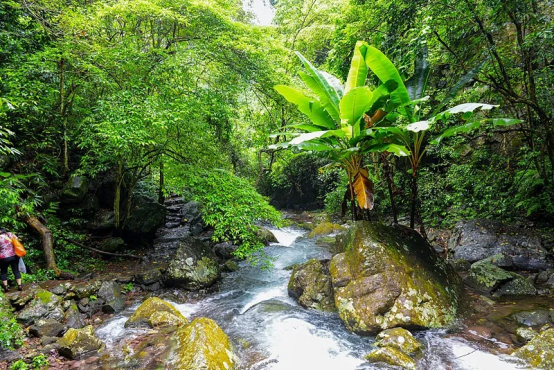
1. Baiya Grand Canyon
Referred to as the "Little Jiuzhaigou of Guangxi," this area features deep canyons, cascading waterfalls and serene pools, crystal-clear streams, and dense forests, making it a perfect natural destination for summer retreats and river trekking.
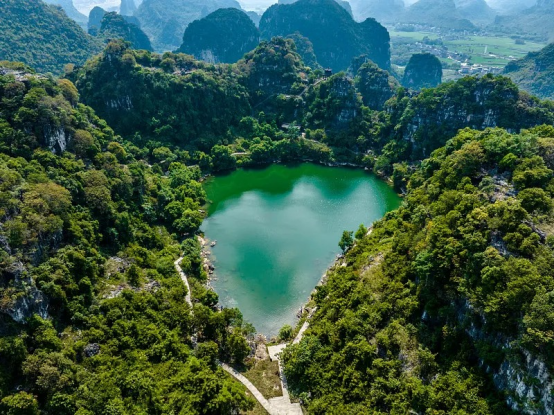
2. Eight Immortals Heavenly Lake
This rare alpine natural lake is nestled among mountains, with water that remains abundant and stable year-round. The serene landscape creates a tranquil and ethereal atmosphere, making it a hidden gem of pristine wilderness.
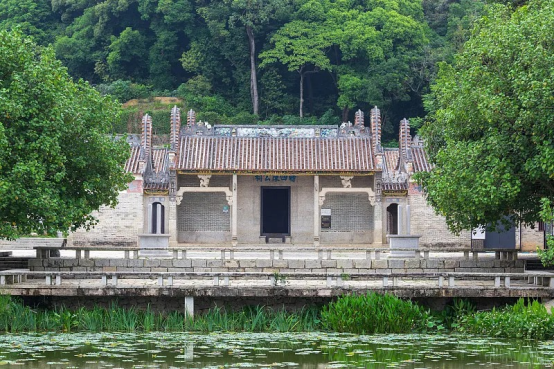
3. Xialiantang Ancient Village
This architectural complex integrates ancient manors from the Qing Dynasty, general residences, and picturesque lotus pond landscapes, featuring a well-preserved blend of Chinese and Western architectural styles with profound cultural heritage, making it ideal for sightseeing and photography.
(IV) Xiangzhou Health and Wellness Area – A premier hot spring leisure destination
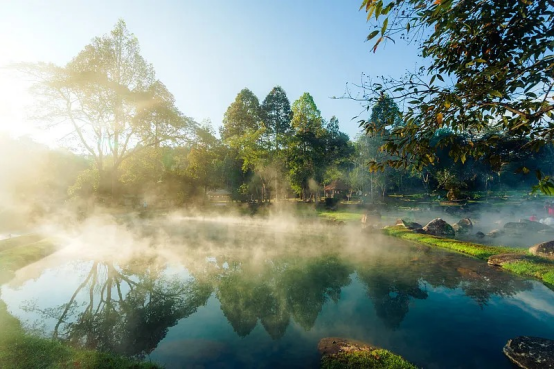
Guixiang Hot Spring Resort
A renowned natural geothermal hot spring in Guangxi, it boasts abundant minerals and warm, soothing water, diverse bathing pools, and a comfortable environment, making it a popular destination for autumn/winter wellness retreats, family vacations, and relaxation.
(V) Distinctive attractions in the urban area and Heshan
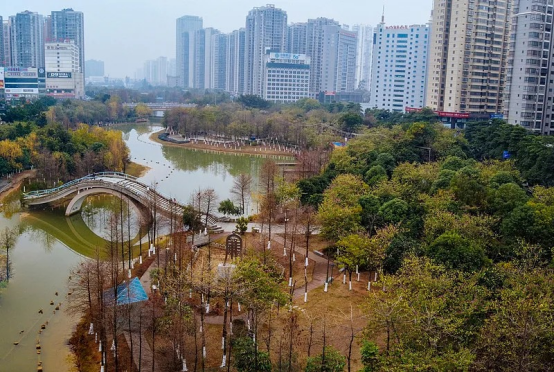
Pangu Cultural Park stands as a cultural landmark of Laibin, embodying the legend of Pangu's creation of the world. The Laibin Municipal Museum showcases local artifacts including bronze drums, Zhuang brocade, and historical relics. Heshan National Mining Park features industrial heritage sites and retro train landscapes, creating distinctive industrial-themed attractions for visitors.
2、Distinctive Local Culture
(1) The Culture of Pangu as the Ancestor
Laibin is the birthplace of Chinese Pangu culture, where folk traditions such as the legend of Pangu separating heaven and earth, Pangu mountain songs, and traditional sacrificial rituals are preserved. The annual Pangu Birthday Temple Fair creates a vibrant atmosphere and stands as Laibin's most iconic urban cultural landmark.
(II) The Intangible Cultural Heritage of the Yao Ethnic Group
Jinxiu boasts a comprehensive cluster of Yao ethnic intangible cultural heritage, encompassing nationally recognized traditions such as the Shipa Stone Plate Custom, Yellow Clay Drum Dance, and Long Drum Dance. Numerous Yao villages preserve authentic traditional attire, wedding customs, and festival practices, while skills like Yao embroidery, Yao silverware craftsmanship, and Yao medicinal techniques are passed down through generations.
(III) The Culture of the Zhuang Tusi Authorities
The Mo clan's tusi rulers in Xincheng maintained hereditary governance for nearly five centuries. Their administrative offices combined Central Plains official architectural styles with indigenous craftsmanship from the Zhuang ethnic group, serving as a significant tangible legacy of governance culture among southwestern China's ethnic minorities.
(IV) Traditional Folk Festivals
The Zhuang ethnic group's March 3rd Song Fair is a vibrant and grand event, featuring a wide array of folk activities such as mountain song duels, bamboo pole dancing, embroidered ball throwing, and five-colored glutinous rice dishes. Traditional customs like flower-decorated blessings ceremonies, Zhuang brocade weaving, and artisanal culinary techniques have been preserved to this day.
3、delicacy
(1) The signature flavors of Laibin
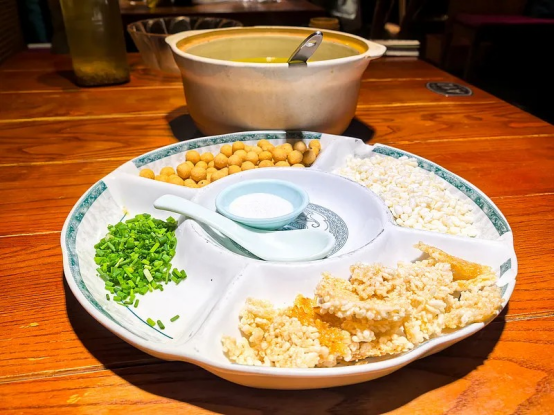
1. Red fermented rice wine acid
This dish boasts a unique local flavor, crafted from fermented rice wine lees, offering a rich and aromatic taste. Red-leaved rice wine stir-fried large intestine, red-leaved rice wine taro dumplings, and red-leaved rice wine pickled fish are all must-try local specialties that stimulate the appetite and counteract greasiness, making them essential in every household.
2. The Ten Major Dishes of the Zhuang and Yao Cultural Banquet
This menu features signature dishes such as steamed duck with rice flour, braised pork belly, fresh fish and lamb served on toast, and taro-and-melon duck feet – essential choices for festive occasions and banquets, renowned for their rich, aromatic flavors and distinct local character.
3. The Wild Flavors of Yaojia Mountain
Jinxiu's signature dishes—including cured pork, bamboo-tube chicken, and Yao ethnic oil tea—are crafted from wild ingredients using traditional methods, exuding a natural herbal aroma that embodies the authentic flavors of the Yao homeland.
(2)Classic rice flour snack
Dawan rice noodles are known for their chewy texture and rich broth, making them a distinctive dish recognized as part of intangible cultural heritage. Overseas Chinese rolled rice noodles feature thin skins with abundant fillings and a savory sauce. Additionally, Qianjiang rice noodles, raw noodle soup, rice dumplings, and Xiangzhou snail rice noodles are all beloved daily favorites among locals.
(III) Specialty Snacks and Desserts
Featuring five-colored glutinous rice, Xiangzhou red rice zongzi, Wuxuan brown sugar rice cakes, Xincheng tofu balls, pig blood sausages, and locust flower pollen, these dishes boast unique flavors that balance sweetness and savoryness. They are both classic festive snacks during Laibin celebrations and excellent gift choices.
IV. Urban Summary
Laibingji integrates ecological landscapes, millennia-old cultural heritage, ethnic traditions, and wellness cuisine into a cohesive whole. It boasts both the natural wonders of Dayaoshan Mountain and the rich history of the ancient Tusi city, along with unique folk customs and authentic local flavors that blend Zhuang and Yao cultures. Suitable for visits throughout all seasons, it is ideal for leisure vacations, cultural studies, and wellness retreats—a modest yet beautiful city with profound cultural depth in central Guangxi.