English
 French
 Spanish
 Russian
 Arabic
 Italy
Italy
City Introduction
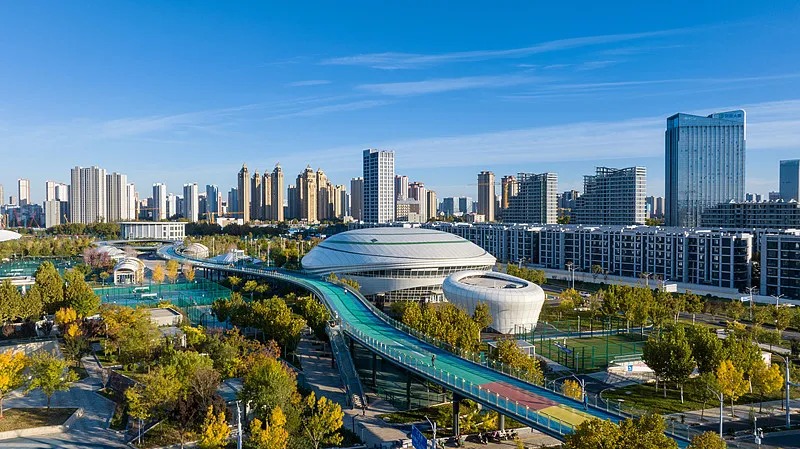
In modern times, Shijiazhuang thrived as a vital transportation hub. The intersection of the Beijing-Hankou Railway and Zhengding-Taiyuan Railway transformed the former small town into a key logistics center in North China, kicking off its modern urban development. A renowned red revolutionary base, Shijiazhuang carries profound historical significance for the founding of the People’s Republic of China. Xibaipo, a sacred revolutionary site, witnesses the extraordinary years when New China took shape, nurturing the valuable Xibaipo spirit of modesty, prudence and hard work, which has become the most iconic spiritual symbol of the city. Bordered by the towering Taihang Mountains to the west and the vast fertile plain to the east, Shijiazhuang features an open and magnificent landscape. Integrating the millennial heritage of Zhongshan and Yanzhao cultures, profound red revolutionary traditions and modern metropolitan vitality, it evolves into a distinguished modern provincial capital with profound historical depth and distinctive spiritual temperament.
Famous Scenic Spots in Shijiazhuang
1. Xibaipo Red Tourist Area
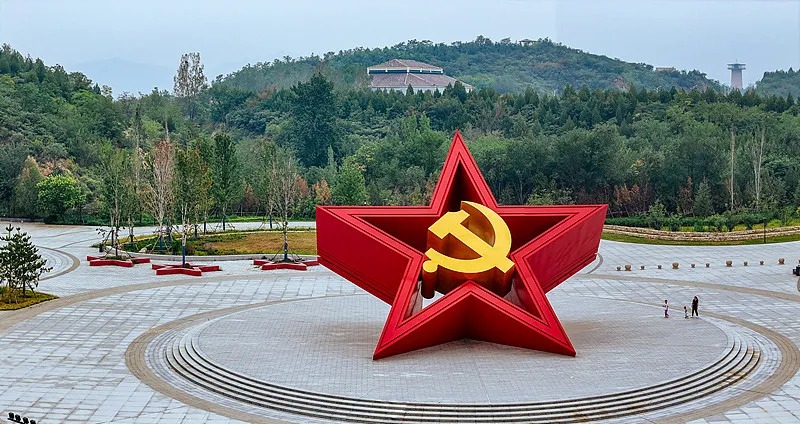
From 1948 to 1949, the Central Committee of the Communist Party of China stationed in Xibaipo, commanding the world-famous three major campaigns—Liaoshen, Huaihai and Pingjin, which completely reversed the situation of the Liberation War. The historic Second Plenary Session of the Seventh Central Committee was held here, formulating national construction guidelines after nationwide victory and putting forward the important principle of “two musts”, laying a solid ideological foundation for the founding of New China. The scenic area fully preserves the former sites of the Central Committee, residences of revolutionary leaders, combat command headquarters and conference venues. A wealth of revolutionary cultural relics, image materials and historical archives are collected in the exhibition halls, truly reproducing the arduous revolutionary years. As an important patriotic education base and spiritual shrine for inheriting the Xibaipo spirit, it stands as the core carrier of red culture in Shijiazhuang.
2. Zhengding Ancient City
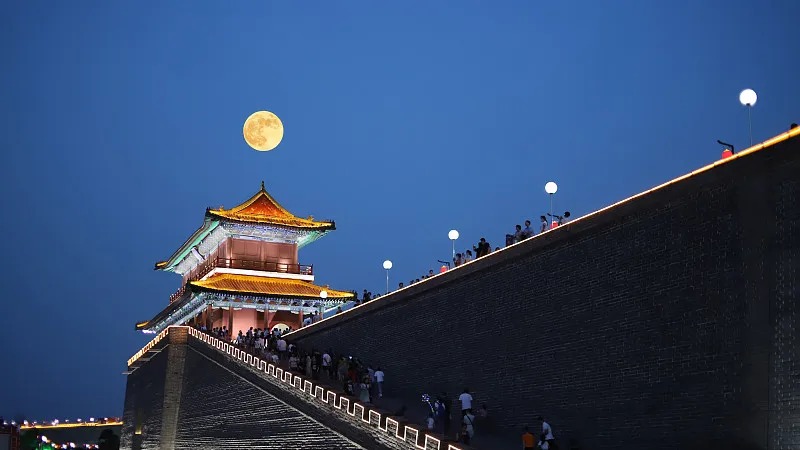
Zhengding Ancient City completely retains its millennial urban layout with well-preserved city walls, alleys, ancient temples and pagodas. Boasting a dense cluster of ancient architectures from the Sui, Tang, Song, Ming and Qing dynasties, including Longxing Temple, Kaiyuan Temple, Guanghui Temple and Linji Temple, it enjoys the reputation of a “museum of ancient Chinese architecture” with unparalleled ancient building density among northern county-level cities. Among them, Longxing Temple is a royal temple of the Song Dynasty with complete architectural specifications and exquisite Buddha statues, ranking as the best-preserved Song Dynasty temple complex in China. Blending millennial Buddhist heritage, ancient architectural art, Yanzhao celebrity culture and authentic folk customs, Zhengding Ancient City presents a vivid model of northern ancient urban style and serves as a core resort for exploring the millennial humanistic origin of Shijiazhuang.
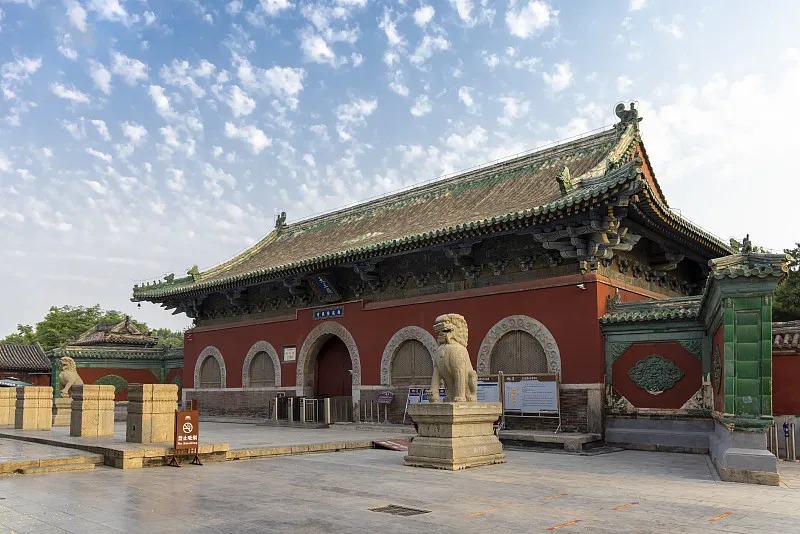
3. Longxing Temple
Longxing Temple integrates the pinnacle architectural, sculptural, mural and inscription arts of the Song Dynasty with unparalleled cultural value. The core main hall, Mani Hall, features a unique and ingenious structure, representing the supreme achievement of Song Dynasty wooden architecture and pioneering an exclusive ancient architectural form. The giant bronze statue of Thousand-Handed and Thousand-Eyed Guanyin, the largest existing Song Dynasty bronze Buddha in China, boasts exquisite carving craftsmanship and a solemn and vivid demeanor. The temple preserves numerous Sui and Tang stone inscriptions, Song Dynasty murals and Ming and Qing colored sculptures, each reflecting the artistic aesthetics and religious culture of different eras. As a vital center for the dissemination of northern Buddhist culture, Longxing Temple has maintained thriving incense and Buddhist sounds for thousands of years, witnessing the prosperity of northern Buddhism and the evolution of ancient architectural craftsmanship. It is a national treasure-level scenic spot for researching China’s Song Dynasty architecture and Buddhist art history.
4. Zhaozhou Bridge Scenic Area
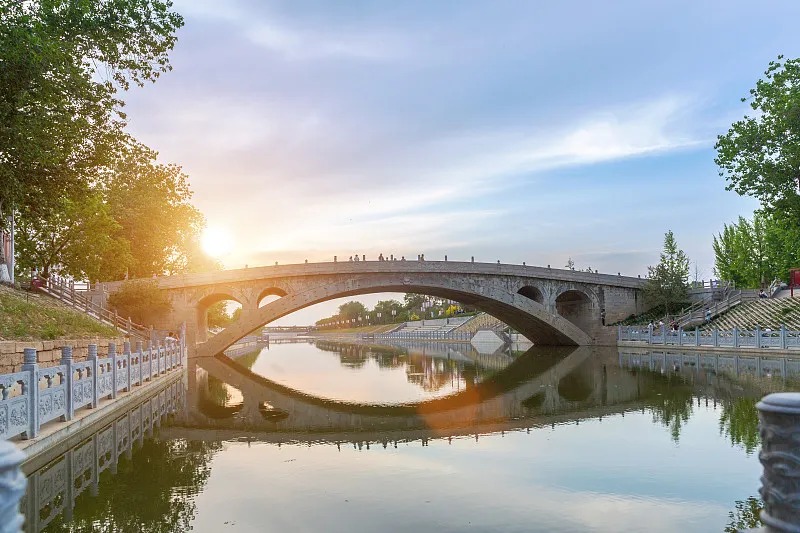
Having endured thousands of years of wind, rain, floods and earthquakes, the ancient bridge still stands firmly on the river with a stable structure and elegant streamline shape. The ingenious spandrel design reduces the bridge’s dead weight, saves stone materials and enhances flood discharge capacity, fully demonstrating the flexible wisdom and superb craftsmanship of ancient artisans. The delicate dragon patterns and grass scroll carvings on both sides of the bridge railings feature exquisite knife work and vigorous and elegant Sui-Tang artistic styles. For thousands of years, countless literati have composed poems and odes in praise of Zhaozhou Bridge, endowing it with profound humanistic heritage. As a world-shocking ancient engineering miracle and a vivid symbol of Chinese craftsmanship spirit, Zhaozhou Bridge is an iconic millennial historic site integrating natural landscape and profound humanity in Shijiazhuang.
5. Hebei Museum
The museum features multiple themed exhibition halls. Prehistoric relics witness the early human civilization of North China. The Zhongshan State exhibition hall displays national treasures such as the silver-inlaid four-dragon and four-phoenix bronze table and the King Cuo tripod, perfectly reproducing the splendid bronze civilization and unique regional culture of the ancient Zhongshan State. Han Dynasty treasures including the Changxin Palace Lamp and jade clothes sewn with gold threads showcase the prosperous civilization and superb craftsmanship of Hebei in the Han Dynasty. In addition, the museum exhibits distinctive cultural relics such as Northern Dynasties murals, Quyang stone carvings and deeds of Yanzhao martyrs, connecting ancient civilization, artistic treasures and red heritage. As an encyclopedia of Yanzhao culture, Hebei Museum reproduces the millennial historical changes, humanistic accumulation and folk inheritance of Shijiazhuang and Hebei, standing as a core humanistic landmark for exploring the profound civilization of North China.