
 English
 French
 Spanish
 Russian
 Arabic
 Italy
Italy
I. Urban Overview
Chengde, historically known as Rehe, is situated in the northeastern part of Hebei Province within the heart of the Yanshan Mountains, bordering Inner Mongolia and Liaoning. It is one of China's first National Historical and Cultural Cities and a rare dual World Heritage Site city, renowned as "the Pearl of the Purple Frontier and the Capital Beyond the Border."
The city boasts a profound cultural heritage, with its name derived from the concept of "upholding the virtues of our ancestors." The Mountain Resort was first constructed during the Kangxi reign of the Qing Dynasty; over the following century, it served as the imperial summer capital and second political center of the Qing court. Throughout history, emperors used it for summer retreats, governance affairs, and receptions of nobles from the Mongolian and Tibetan border regions, making it a pivotal hub where the ancient agricultural civilization of the Central Plains deeply intertwined with the northern nomadic culture.
Chengde is a multi-ethnic settlement where the Manchu, Mongolian, and Han peoples have coexisted for generations, boasting rich folk customs. The entire region exhibits an exceptionally high forest and grassland coverage, with an average summer temperature of only 22°C, offering a cool and pleasant climate. It is renowned as a natural summer resort and health retreat not only in the Beijing-Tianjin-Hebei region but also nationwide.
II. Core Tourist Attractions
Chengde boasts unparalleled cultural and tourism resources, categorized into three main types: imperial historical sites, the natural landscapes of the Bashang grasslands, and the secluded mountain areas along the Great Wall, all suitable for visits throughout the year.
(1) The Royal Core Scenic Area in the Urban Area (World Cultural Heritage Site)
1. Chengde Mountain Resort (a 5A-level tourist attraction)
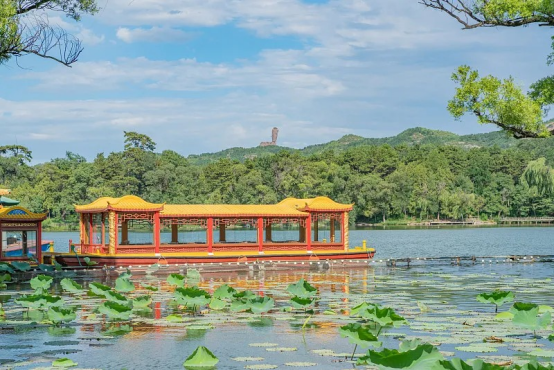
China's largest existing imperial garden covers an area approximately eight times that of the Forbidden City in Beijing and took 89 years to complete. The entire garden skillfully integrates landscapes from across the country, divided into four major sections: the palace area, lake area, plain area, and mountain area, each offering a unique view and combining the beauty of northern and southern Chinese gardens. The Danbo Jingcheng Hall in the palace area is constructed entirely of golden nanmu wood, exuding simplicity and solemnity; the Yanbo Zhishuang Hall preserves numerous historical traces from the Qing Dynasty; the lake area recreates the ambiance of Jiangnan water towns and has served as a filming location for classic TV dramas and films; the summit of the mountain area provides a panoramic view of the entire estate and the Eight Outer Temples, offering exceptional vistas. The Rehe Spring within the estate gives rise to the world's shortest river, the Rehe River, which stands as a signature landmark feature.
2. The Outer Eight Temples Imperial Temple Complex
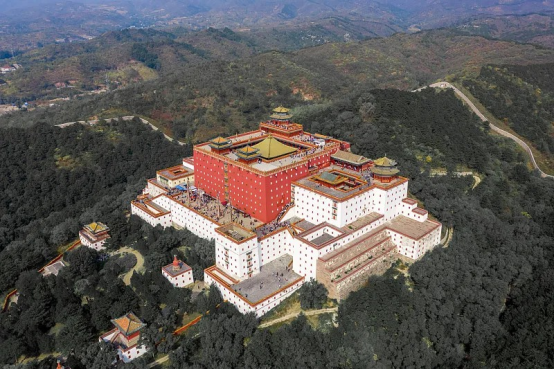
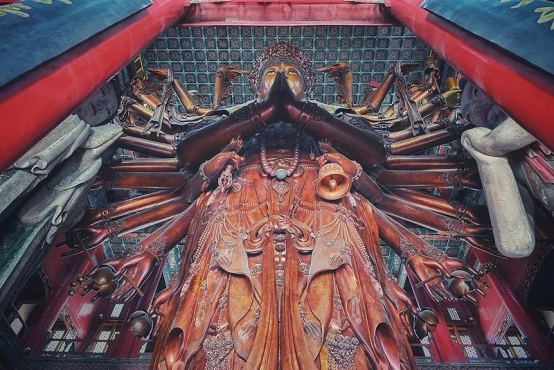
The cluster of Tibetan Buddhist temples constructed around the eastern side of the Mountain Resort integrates diverse architectural styles from Han, Tibetan, Mongolian, and Uyghur traditions, serving as a historical testament to ethnic unity and frontier stability during the Qing Dynasty. The two most renowned temples are the Putuo Zongcheng Temple (Little Potala Palace), featuring red walls and golden roofs with a majestic scale that makes it the largest among the Eight Outer Temples; and Puning Temple, also known as the Great Buddha Temple, which houses a 27-meter-tall gilded wooden statue of the Thousand-Armed Guanyin and enjoys nationwide fame for its bustling incense offerings. The Xumi Fushou Temple was specifically built for the Sixth Panchen Lama's audience with Emperor Qianlong, boasting a towering golden roof that exudes imperial grandeur.
3. Chengde Museum
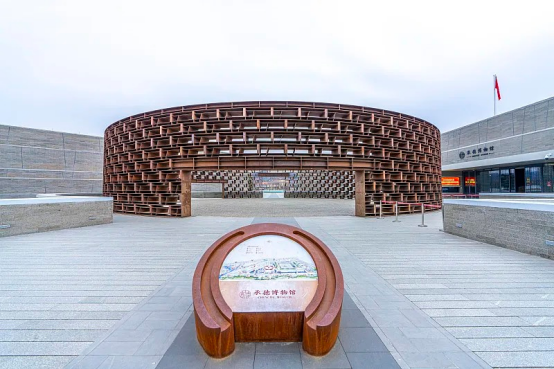
The core cultural exhibition hall, titled "Viewing the Great Wall Inside and Outside," systematically traces the historical evolution of ethnic integration and frontier governance during the Qing Dynasty. Home to a vast collection of imperial artifacts, it is open to the public free of charge and a must-visit destination for understanding Chengde's history.
(II) The Natural Scenic Area of the Bashang Grassland
1. Saihanba National Forest Park
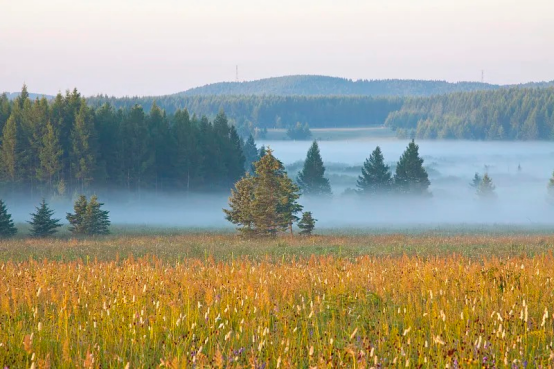
This vast expanse of artificial forest spans millions of acres, where forests, grasslands, lakes, and wetlands interweave harmoniously, creating an exceptional ecological environment. Historically designated as the imperial Mulan Autumn Hunting Ground during the Qing Dynasty, it offers a refreshing summer retreat with lush greenery and vibrant autumn scenery featuring layers of colorful forests, making it one of China's premier destinations for photography, vacationing, and wellness retreats.
2. Ulan Butong Grassland
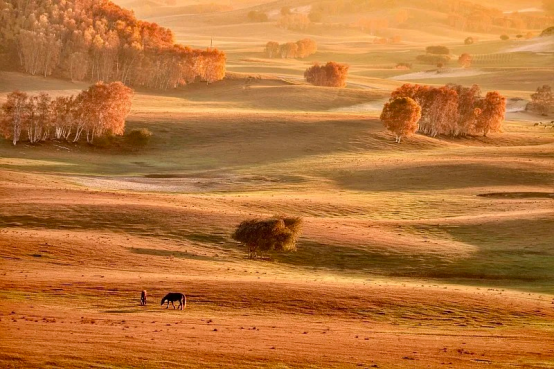
Renowned attractions such as the Royal Grassland, Hongshan Horse Farm, Princess Lake, and General's Pond have gained widespread popularity. With its vast grasslands and breathtaking scenery, this area is ideal for horseback riding, stargazing camping, and off-road adventures, making it the premier destination on the Bashang Grassland.
3. The First Grassland in Northern Beijing (Fengning Bashang)
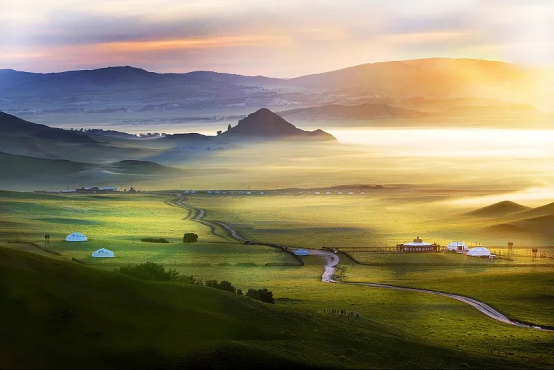
The nearest natural grassland to Beijing boasts well-developed tourism infrastructure and excellent road conditions, making it the ideal grassland destination for short-distance family trips or weekend vacations in the Beijing-Tianjin-Hebei region.
(III) Distinctive Mountain Landmarks
1. Jinshanling Great Wall
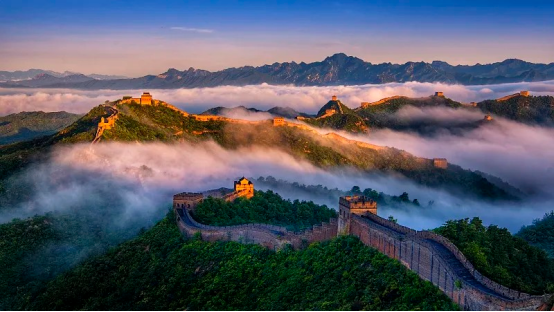
Presided over by Ming Dynasty official Qi Jiguang, this section represents the finest segment of the Great Wall. Characterized by densely arranged watchtowers, exquisite architecture, and expansive vistas, it offers distinct landscapes throughout the four seasons—with sunrise views, sea of clouds, and snowscapes that are truly unparalleled, making it a paradise for photography enthusiasts.
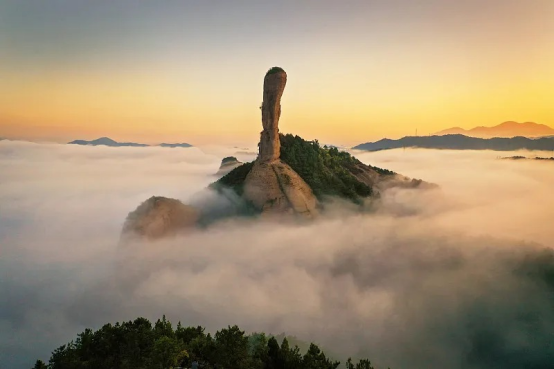
2. Bangchui Mountain, Shuangta Mountain
A natural geological wonder of Danxia landform, Bangchui Mountain features massive boulders standing majestically in the air with unique shapes; Shuangta Mountain boasts two natural stone pillars topped by ancient pagodas dating back millennia, showcasing remarkable craftsmanship and exceptional aesthetic value.
III. Distinctive Regional Culture
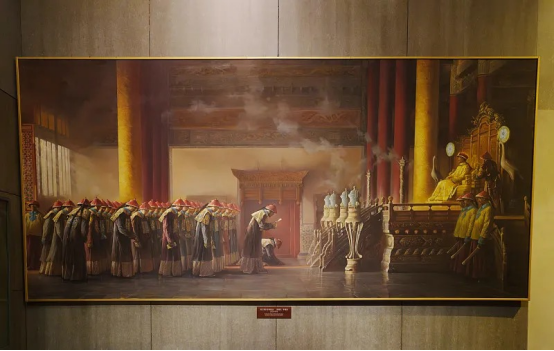
1. The Imperial Culture of Qing History during the Qing Dynasty
It is often said that "Chengde City embodies half of Qing Dynasty history." During the Qing era, emperors conducted major state affairs and received leaders of border ethnic minorities here; they abandoned the traditional Great Wall defense model in favor of using gardens and temples to promote peace and stability along the borders, reflecting the Qing dynasty's multi-ethnic governance framework. Major historical events such as the Torgut tribe's long journey eastward and the sixth Panchen Lama's visit to Beijing for an audience all took place here.
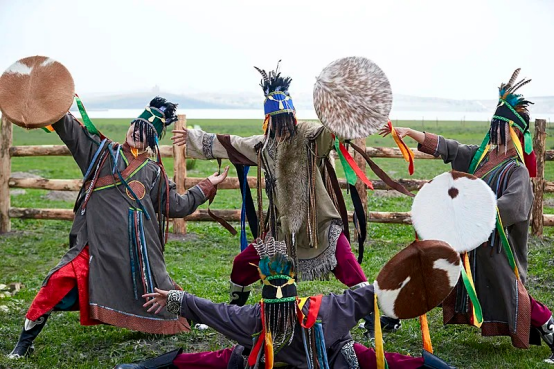
2. The diverse folk cultures of the Manchu, Mongolian, and Han peoples
Chengde serves as the core Manchu settlement area in northern China, where the Manchu, Mongolian, and Han ethnic groups have coexisted for centuries, giving rise to deeply rooted folk cultures. The integration of Manchu Eight Banners rituals, qipao embroidery, traditional wedding customs, Mongolian Nadam festivals, and grassland traditions has forged a distinctive folk culture system beyond the Great Wall. Annual events such as the Mulan Autumn Hunting Culture Festival and folk performances create a vibrant cultural atmosphere.
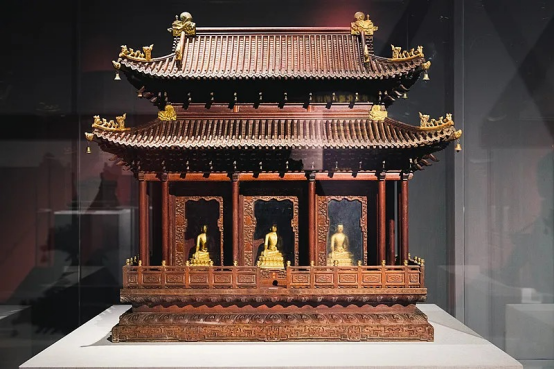
3. Tibetan Buddhist Architectural Art and Culture
The Wa Bamiu architectural complex integrates traditional Central Plains wooden construction techniques with Tibetan-style watchtowers and Buddhist pagodas. Its murals, Buddha statues, and stone inscriptions are exquisitely crafted, representing a masterpiece that embodies diverse religious artistry and ethnic architectural craftsmanship, possessing immense artistic and historical value.
4. Intangible Cultural Heritage and Folk Culture
Chengde boasts numerous provincial and municipal intangible cultural heritages spanning diverse fields such as cuisine, handicrafts, and traditional crafts, including the preparation techniques of Pingquan lamb soup, buckwheat noodle soup (heluo), Nansha cake, Chengde wood carving, and Manchu paper-cutting. These traditions have been preserved for centuries and exhibit distinct regional characteristics.
IV. Specialty Foods and Snacks
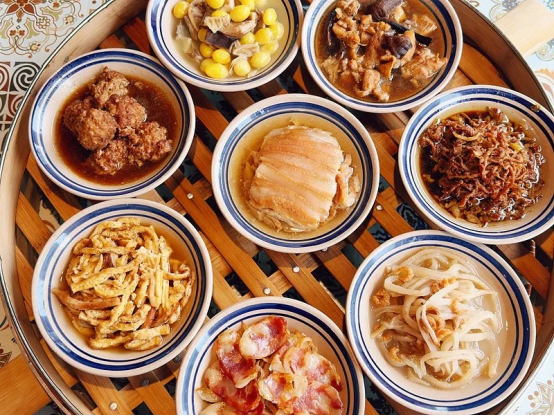
Chengde cuisine blends imperial court cuisine, Manchu culinary traditions, and the rustic flavors of Bashang region, offering rich flavors and distinct characteristics.
(1) Signature Main Dishes
1. The Eight Major Dishes of the Manchu Cuisine: Classic signature dishes from traditional Manchu banquets, preserving the imperial cuisine traditions of the Qing Dynasty. These dishes feature a balanced combination of meat and vegetables, served tender and flavorful, including Imperial Clay-Wrapped Chicken, Stewed Chicken with Mushrooms, Steamed Meat, and Stewed Dishes—all renowned for their savory, rich taste and suitability for all ages.
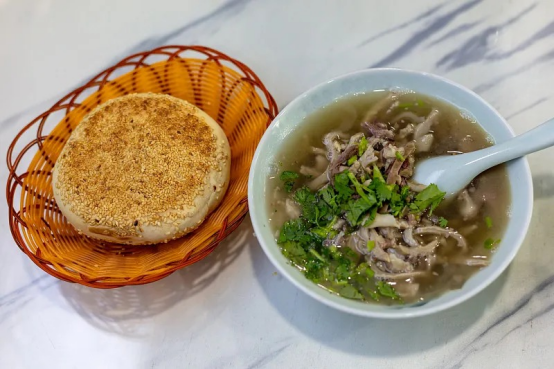
2. Pingquan Goat Soup: A provincial-level intangible cultural heritage, this dish features goat bones simmered over an extended period to produce a milky-white broth with tender meat free from any fishy or gamey odor. Paired with sesame-fried flatbread, it stands as a classic breakfast staple in Chengde.
3. Pingquan Modified Pork Cutlet: A imperial delicacy from the Daoguang period of the Qing Dynasty, this dish features pork paired with finely shredded bamboo shoots stir-fried slowly, offering a well-balanced salty-sweet flavor and rich umami taste. It is easy to store and pairs perfectly with rice, representing a time-honored signature dish passed down for centuries.
4. Dam Shang Hand-Rounded Meat and Grassland Steamed Chicken: A signature dish of the grasslands, featuring organic ingredients with firm yet tender meat that retains its natural flavor, paired perfectly with grassland-style salty milk tea for a unique taste experience.
(II) Street snacks from the underground tunnels
1. Chengde Jianwanto: A city landmark snack featuring steamed buckwheat noodles that solidify into shape, cut into pieces and fried until crispy on the outside, then topped with sesame sauce, aged vinegar, and chili oil, resulting in a uniquely sour-spicy, soft-and-creamy texture.
2. Ya Mian He Leng: A traditional intangible cultural heritage noodle dish featuring chewy yet smooth noodles served with a secret marinade, offering a fresh and delicious flavor that serves as a staple food for locals.
3. Manchu Luda Gun (Rolling Donkey): A traditional imperial dessert made by wrapping red bean paste inside yellow rice flour skin and rolling it thoroughly with soybean flour, resulting in a soft, sticky, sweet, and delicately textured flavor.
4. Almond tea and almond tofu: Chengde is renowned for producing high-quality mountain almonds, from which these desserts are made. They feature a delicate aroma, smooth texture, and moisturizing properties that alleviate summer heat, making them distinctive local sweets.
(III) Special pastry souvenirs
Nansha Cake: A Qing Dynasty imperial tribute delicacy, made with lard-based shortcrust pastry filled with walnut kernels and dried fruit, featuring a crispy crust that releases bits of dough and a sweet yet non-greasy flavor; Chen Family Smoked Chicken: Prepared through wood-fired smoking, it boasts a reddish skin, tender meat, and intense smoky aroma; Additionally, local specialties include Bashang milk skin pastries, wild mountain apricot kernels, and hawthorn products.
V. Urban Summary
Chengde is a treasure trove of tourism, blending imperial historical heritage, diverse ethnic cultures, and pristine grassland and forest landscapes. It offers stunning scenery throughout the year: admire mountain flowers in spring, escape summer heat in summer, enjoy colorful forests in autumn, and appreciate ancient architecture in winter. Combining profound cultural depth with breathtaking natural beauty, unique local customs, and abundant culinary delights, Chengde stands as the premier destination beyond the Great Wall for short trips, cultural studies, and photography excursions in the Beijing-Tianjin-Hebei region.