
 English
 French
 Spanish
 Russian
 Arabic
 Italy
Italy
City Profile
Shenyang is the capital of Liaoning Province and a central city in Northeast China. Historically known as Shengjing or Fengtian, it boasts a city-building history spanning over two millennia. Renowned as "the birthplace of one dynasty and the residence of two imperial rulers," it serves as the cradle of the Qing Dynasty, the modern military and political hub of Northeast China, and the most important industrial base of New China, earning the title "the eldest son of the Republic." Shenyang combines a profound imperial heritage, memories of the Republican era, a strong foundation in heavy industry, and the vibrant atmosphere of Northeastern urban life, making it a distinguished northern city characterized by its depth, grandeur, and down-to-earth charm.
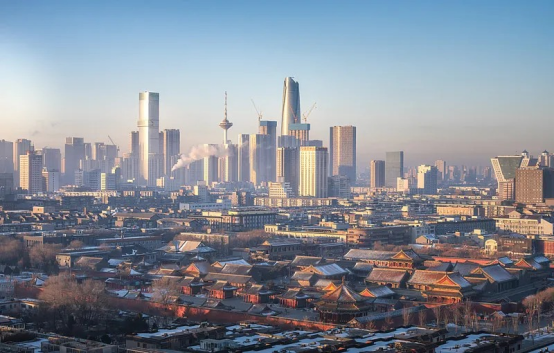
I. Urban Culture and Historical Characteristics
1. The culture of the birthplace of the Qing Dynasty
Shenyang is the only imperial capital outside the Great Wall, renowned for its World Cultural Heritage site of "One Palace and Two Mausoleums." The city preserves a wealth of Manchu imperial architecture and court culture, with architectural styles that integrate elements of Manchu, Han, and Mongolian traditions—distinct from those of the Forbidden City in Beijing and embodying distinctive characteristics unique to the region beyond the Great Wall.
2. The Historical and Cultural Heritage of the Fengtian clique during the Republic of China period
Modern Shenyang served as the headquarters of the Fengtian warlords, with the Zhang Family Mansion witnessing the rise and fall of Northeast China in modern times. It preserves numerous Republican-era Western-style buildings and historical landmarks, making it a pivotal city for understanding Northeast China's history during the Republic of China era.
3. Heavy Industry Industrial Culture
Since the founding of the People's Republic of China, Shenyang has played a pivotal role in supporting the development of heavy industry nationwide, achieving over a hundred industrial firsts. The remnants of old factory buildings in Tiexi District and the Industrial Museum collectively embody a distinctive "industrial-style urban character," serving as a unique city hallmark of Shenyang.
4. Diverse folk and urban culture
Shenyang is home to multiple ethnic groups including Han, Manchu, Korean, Hui, and Xibo. It blends the cultural heritage of the Xita Korean community, the traditions of the Xiguan Hui people, imperial temple customs, Northeastern Errenzhuan folk performances, and local bathing practices, creating a vibrant, warm, and welcoming urban atmosphere.
II. Core Tourist Attractions
1. Shenyang Imperial Palace (a must-visit destination)
China is one of the only two remaining imperial palaces and the sole imperial palace beyond the Great Wall. The iconic Dazheng Hall and Ten Princes' Pavilions exhibit distinct characteristics of the Manchu Eight Banners, with their red walls and yellow tiles exuding an ancient and majestic charm, making them the most representative urban landmarks of Shenyang.
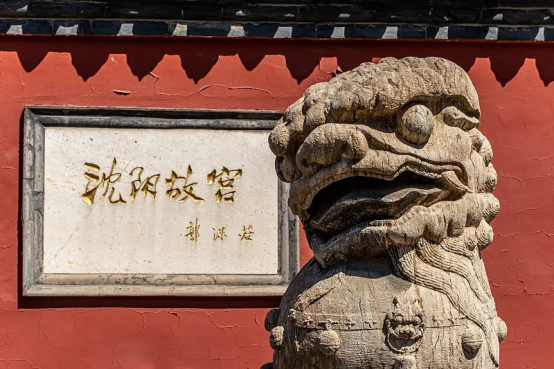
2. Qingzhao Mausoleum (Beiling Park)
The Mausoleum of Hong Taiji, the foremost among the Three Imperial Tombs beyond the Great Wall, is adorned with towering ancient pines and boasts a serene environment. It displays lush greenery in spring and summer, while its ginkgo trees create breathtaking winter landscapes. Serving both as a historical site and a popular urban park for local residents to relax, it offers a unique blend of cultural heritage and recreational enjoyment.
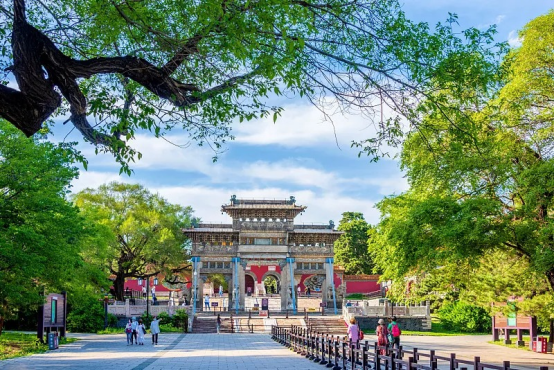
3. Qingfu Mausoleum (Dongling)
Nurhaci's mausoleum is nestled against a mountain, featuring the iconic "One Hundred and Eight Steps" as its most distinctive element. The surrounding forest exudes tranquility, simplicity, and solemnity.
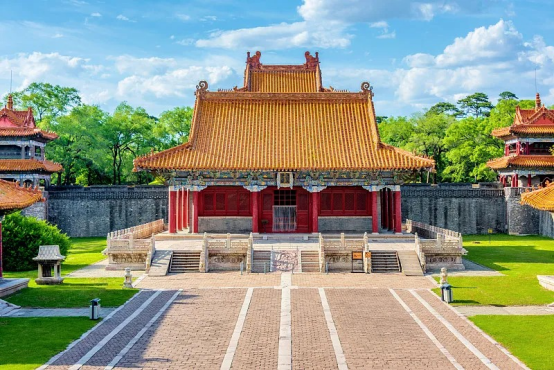
4. Zhang Family Mansion Museum
Also known as the General's Mansion, it was the former residence of Zhang Zuolin and Zhang Xueliang. The complex—including Daqinglou, Xiaolinglou, Laohuting Hall, and the former residence of Zhao Yidi—blends Chinese and Western architectural styles, encapsulating half of Northeast China's Republican-era history and boasting profound cultural heritage.
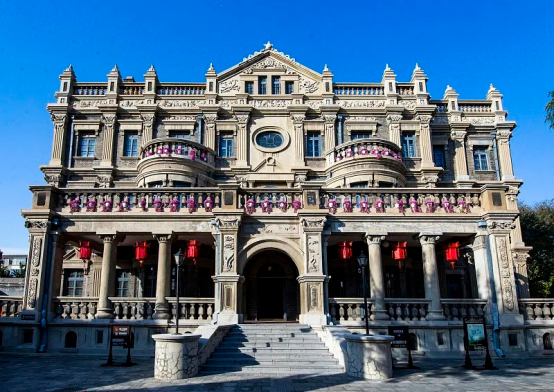
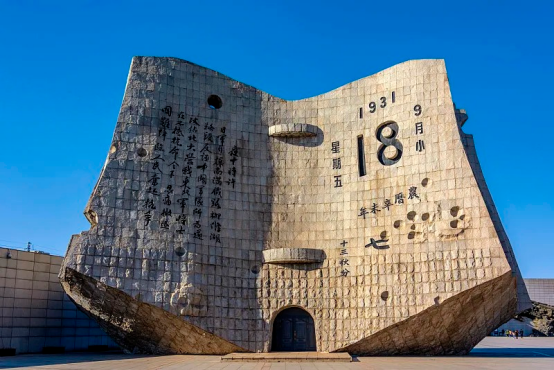
5. September 18th Historical Museum
As a nationally renowned red education base, it was built on its original site, boasting abundant historical artifacts and a solemn atmosphere, making it a vital venue for understanding the modern history of Northeast China.
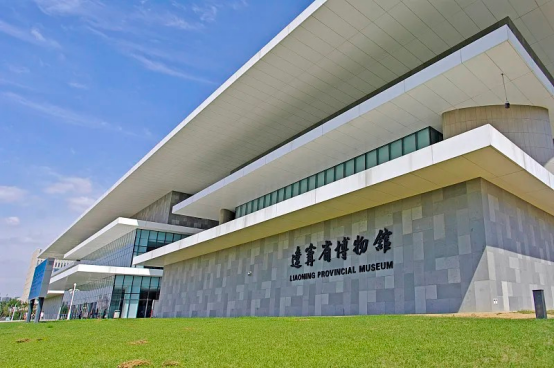
6. Liaoning Provincial Museum
The premier provincial-level museum in Northeast China houses cultural relics from the Liao Dynasty, imperial paintings and calligraphy from the Qing Dynasty, precious Manchu artifacts, and historical artifacts from the region, making it ideal for gaining a comprehensive understanding of Northeast China's cultural heritage.
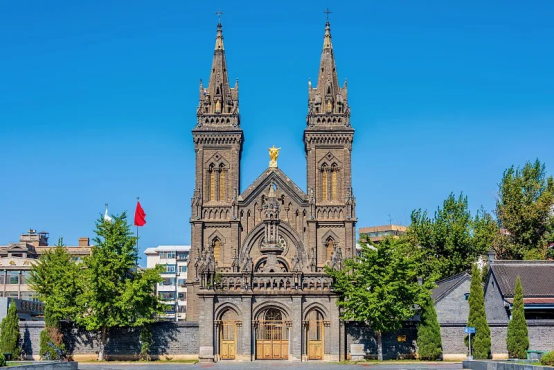
7. A popular cultural landmark among internet celebrities
Xiaonan Catholic Church: Shenyang's most beautiful Gothic red-brick church and a prime spot for artistic photography; Shengjing Grand Theatre (Diamond Theatre): a landmark featuring stunning night views of the Hun River and a modern urban symbol; 1905 Cultural Innovation Park: a converted former factory building transformed into an industrial-style hotspot for photo opportunities.
8. Characteristic commercial districts
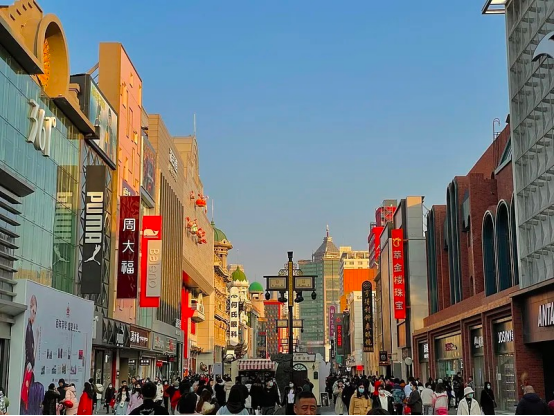
Zhongjie: China's longest century-old commercial pedestrian street; Laobeishi Huangsi: Rich in Shengjing folk customs and a vibrant temple fair night scene; Xita Food Street: Authentic Korean ethnic culture and a Korean-style night market.
III. Shenyang's Specialty Foods
1. Shenyang's Classic Signature Foods
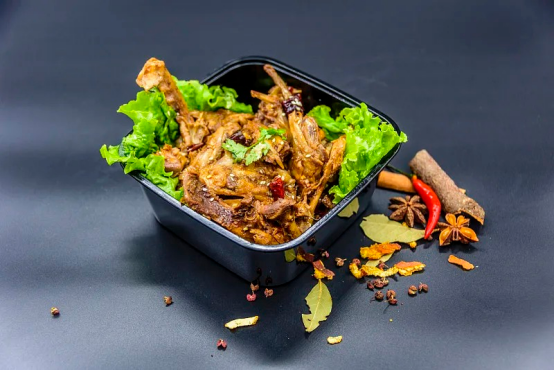
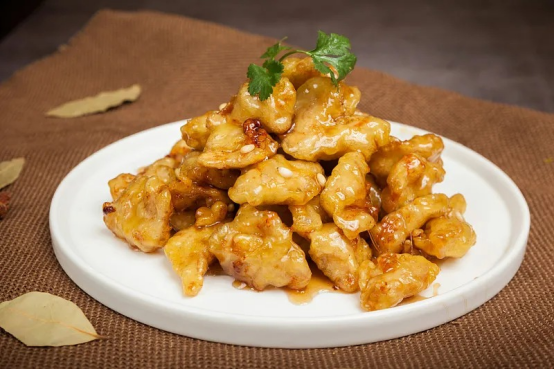
Shenyang Jiajia: The soul food of the city, available in five preparation methods—smoked, grilled, fried, mixed, or marinated—making it a must-have for late-night snacks; Traditional Pot-Braised Pork: Originating in Shenyang, it features a classic sweet-and-sour texture with crispy flavors; Pickled Cabbage White Meat Blood sausage: A traditional Manchu delicacy and a perfect winter comfort food.
2. A century-old traditional snack brand
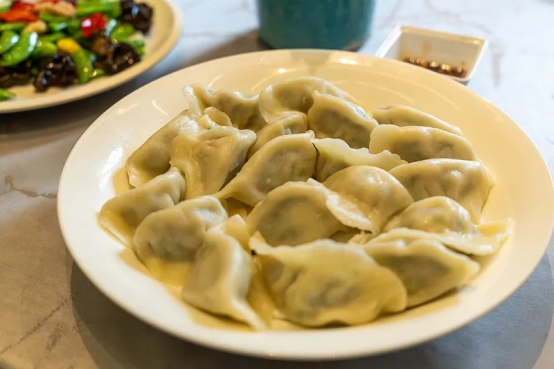
Laobian Dumplings: Intangible cultural heritage-style fried dumplings with rich broth; Ma Family Shao Mai: Halal-certified dish featuring thin skin and abundant juice; Li Liangui Smoked Meat Pancake: Boasting savory smoked meat and a pancake that's crispy on the outside and tender on the inside.
3. Traditional Korean Cuisine (A Must-Try in Xi'an)
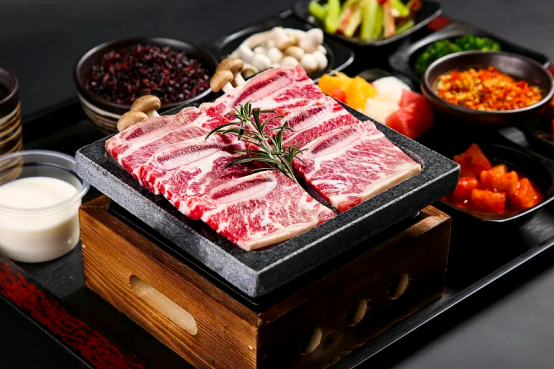
Xita Cold Noodles, Korean-style grilled meat, braised crab, stone pot rice, da gao (rice cake), and seaweed rice rolls—all boast authentic flavors and represent Shenyang's unique culinary specialties.
4. Traditional Hard Dishes from Northeast China
Cut meat slices, local three-season ingredients, pork stewed with vegetables, snow-white bean paste, and sticky bean buns – each dish features generous portions and rich flavors, embodying the authentic taste of Northeast China.
IV. Summary of the Overall Character of the City
Shenyang is a city rich in history, character, everyday vitality, and warmth. It combines the solemn grandeur of a former imperial capital with the robust heritage of an industrial-era city, while also embodying the distinctive openness, friendliness, and vibrant street life characteristic of Northeast China. Visitors can explore historical sites, admire cultural relics, photograph iconic landscapes, savor authentic Northeastern cuisine, and experience unique local traditions—all making it a perfect destination year-round.