English
 French
 Spanish
 Russian
 Arabic
 Italy
Italy
City Introduction
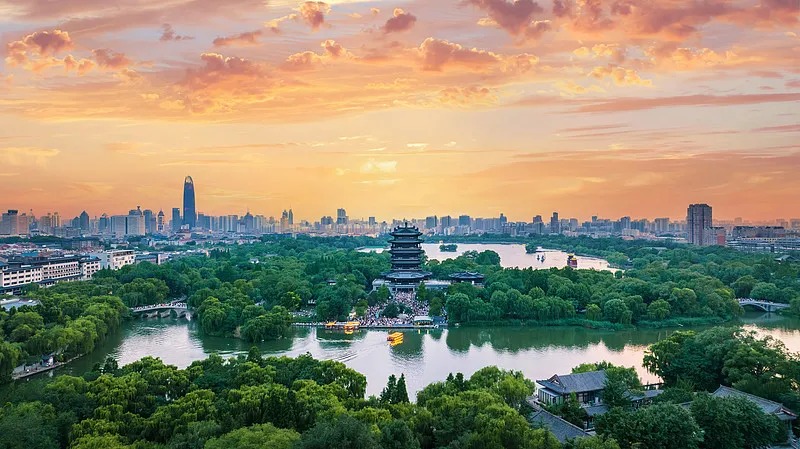
The most distinctive symbol of Jinan is its spring culture. Densely covered with natural springs and crisscrossed by water systems, the city forms a unique landscape integrating mountains, springs, lakes, rivers and urban areas, making it a rare city with clustered natural springs in China. For thousands of years, springs have nourished the ancient city and fostered its inclusive, courteous and culture-respecting local customs. As the core inheritance place of Qilu culture, Jinan has nurtured numerous renowned scholars and literati. Great writers such as Li Qingzhao, Xin Qiji and Zeng Gong left countless timeless masterpieces, forming a distinguished celebrity culture that endows Jinan with both graceful subtlety and heroic boldness. The ancient urban alleys retain a quiet charm; the Mingfu City area carries profound historical heritage; and the century-old commercial port integrates Chinese and Western styles. Traditional elegance and modern urban vitality complement each other perfectly. Adhering to the ecological protection and high-quality development strategy of the Yellow River Basin, modern Jinan inherits the millennial spring culture, Qilu Confucian tradition and celebrity spirit, evolving into a vibrant modern provincial capital rooted in profound ancient heritage.
Famous Scenic Spots in Jinan
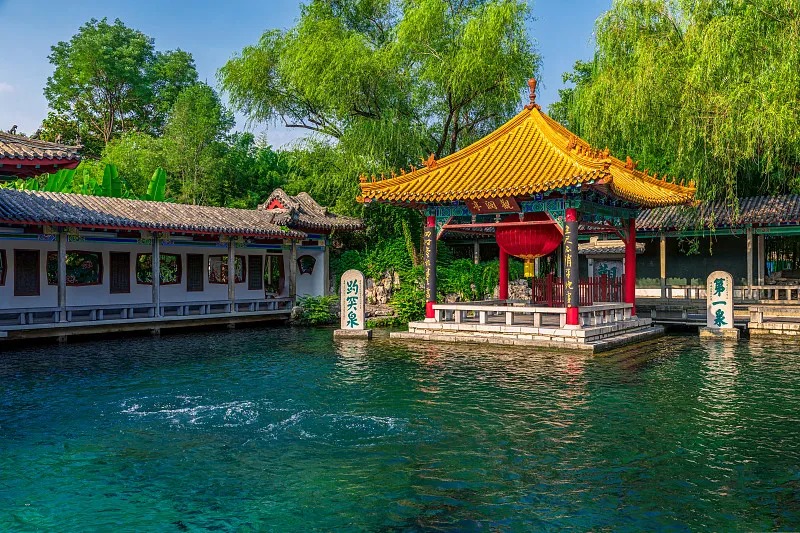
1. Baotu Spring Scenic Area
Centered on natural spring scenery, the site features three constant surging springs that never dry up throughout the year, with clear and sweet water representing the essence of Jinan’s natural spring resources. The park boasts elegant gardens, towering ancient trees, and pavilions and terraces built closely along the springs, presenting changing scenery at every step. It combines the grandeur of northern classical gardens with the serenity of southern courtyards. The scenic area preserves abundant cultural relics. The Li Qingzhao Memorial Hall quietly commemorates the talent and life of the graceful ci poet, while numerous stone inscriptions display literary masterpieces across dynasties. More than a natural water wonder, Baotu Spring embodies the essence of Jinan’s spring culture and celebrity culture. It has nourished the city’s cultural heritage for thousands of years and witnessed the prosperity of Qilu literature, standing as an iconic landmark for understanding Jinan’s profound landscape and humanistic charm.
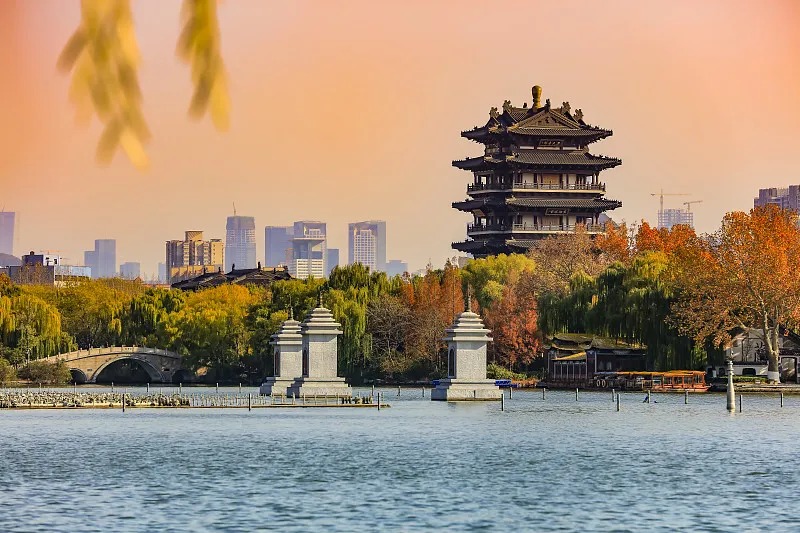
2. Daming Lake Scenic Area
The lake area boasts profound cultural heritage and scattered historical relics. Distinguished ancient scholars including Du Fu, Su Shi, Zeng Gong and Pu Songling composed timeless poems here. With rippling water and weeping willows along the banks, ancient architectures such as Lixia Pavilion, Tie Gong Ancestral Hall, Chaoran Tower and Huibo Tower scatter elegantly around the lake. As one of the four famous pavilions in Jinan, Lixia Pavilion is celebrated for Du Fu’s famous verse, “This ancient pavilion is the oldest east of the sea; here gather most of Jinan’s renowned scholars”, becoming a classic symbol of Jinan’s celebrity culture. Standing on the magnificent Chaoran Tower, visitors can overlook the panoramic scenery of the city. Blending spring water systems, classical gardens, millennial poems and literati spirits, Daming Lake possesses both the grand openness of northern lakes and the gentle elegance of southern waters, representing the perfect integration of natural scenery and humanistic heritage in Jinan.
3. Qianfo Mountain
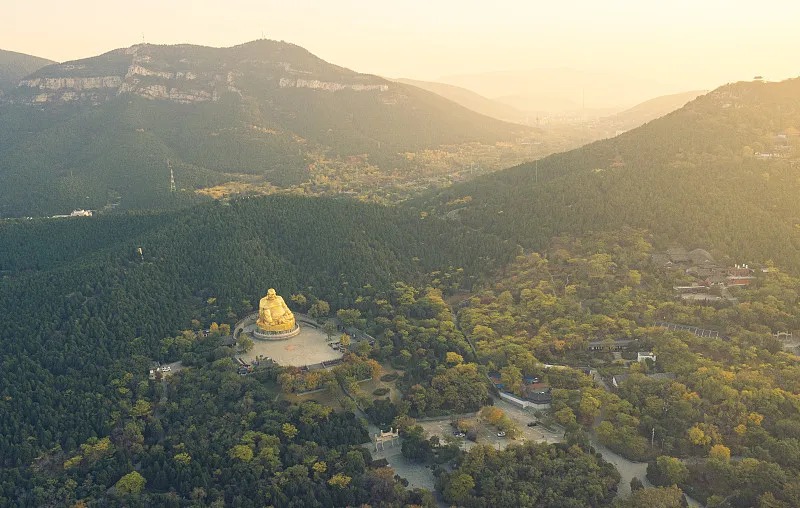
Covered in lush forests with gentle terrain, Qianfo Mountain is dotted with cultural relics from successive dynasties, including well-preserved Sui Dynasty grotto statues, Tang Dynasty temples, and Ming and Qing pavilions and archways. It features the harmonious integration of Buddhism, Confucianism and Taoism, forming a unique mountain cultural system. Xingguo Zen Temple on the mountain, a time-honored Buddhist temple in Jinan with solemn halls and thriving incense, serves as an important inheritance base of Buddhist culture in Qilu. Standing atop the mountain, visitors can overlook the entire urban landscape of Jinan, enjoying a panoramic view of the city’s mountains, springs, lakes and rivers. Integrating ancient Shun culture, millennial Buddhist culture and ecological mountain scenery, Qianfo Mountain combines natural beauty and profound historical heritage, acting as an indispensable spiritual landmark of Jinan’s landscape and humanity.
4. Heihu Spring Scenic Area
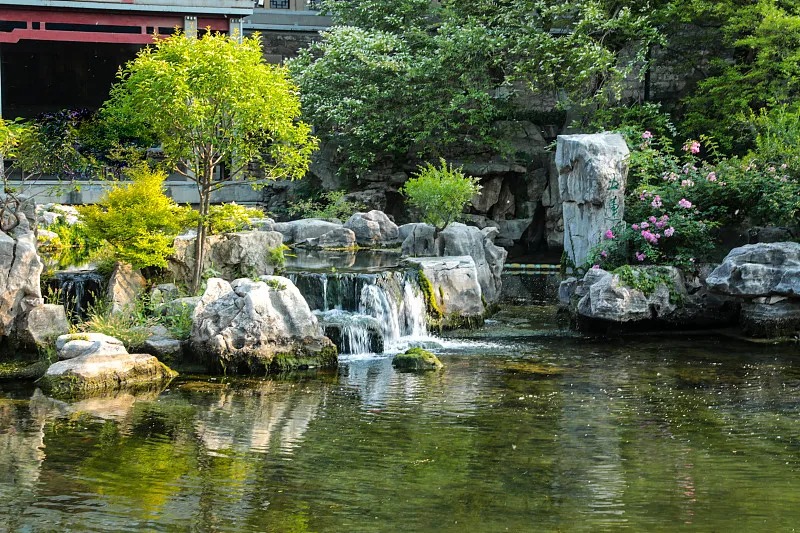
Built along the moat and the old urban layout, the scenic area features an open spring pool and serene stone cliffs, with three classic tiger-head water spouts pouring out clear and gurgling spring water. Different from the delicate garden style of Baotu Spring, Heihu Spring retains original natural spring scenery and strong folk vitality. Local residents have come here to fetch spring water for drinking for generations, preserving the ancient lifestyle of coexisting harmoniously with springs and embodying the most authentic spring culture of Jinan. Surrounded by the Jiefang Pavilion, a red cultural landmark, the ancient spring and modern architecture set off each other perfectly, integrating ancient and modern styles. Bearing the simplest spring folk customs and living heritage of Jinan, Heihu Spring fully displays the city’s unique natural gifts and retains the warmest and most vivid urban memories of old Jinan.
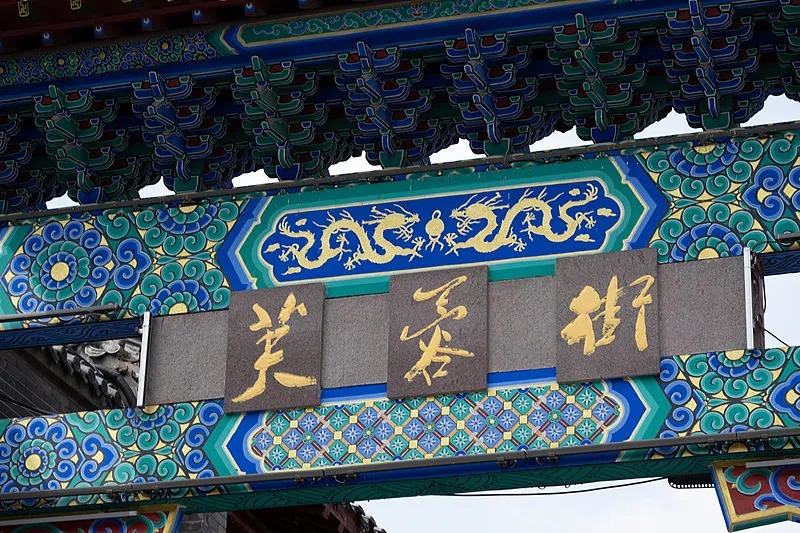
5. Furong Street and Mingfu City Historical Block
The block completely retains the unique ancient style of “springs in every courtyard and willows by every household” in old Jinan. Winding bluestone alleys interweave with ancient springs and traditional courtyards. Famous springs such as Furong Spring and Zhusha Spring are hidden in ordinary courtyards, forming a distinctive landscape of flowing water running through the city. For thousands of years, this area has boasted prosperous literary atmosphere and gathered numerous scholars, who left abundant literary works and profound Qilu cultural heritage. Nowadays, Furong Street perfectly combines ancient alley charm with modern vitality, gathering Qilu specialty delicacies, traditional handicrafts and rich folk customs. It carries the folk fireworks, spring customs and millennial urban heritage of old Jinan, serving as the core block for experiencing the authentic charm and humanistic temperament of the ancient spring city.