English
 French
 Spanish
 Russian
 Arabic
 Italy
Italy
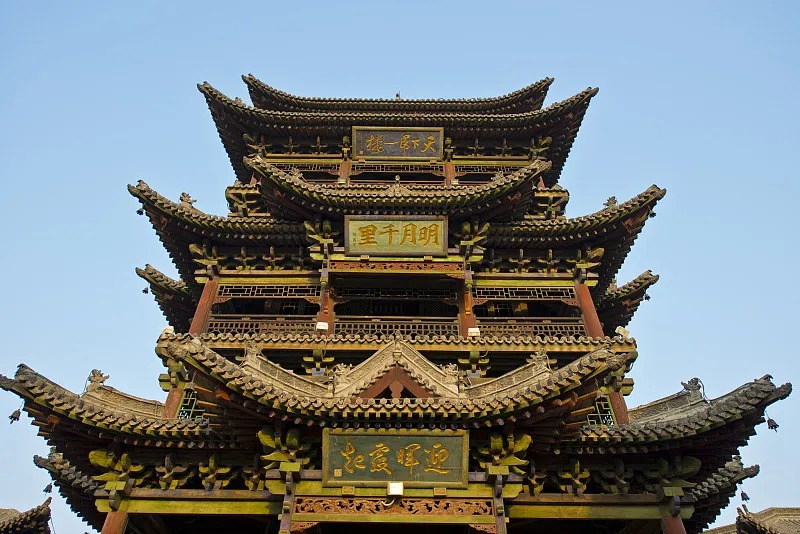
Jinzhong features interwoven mountains and rivers. The Taihang Mountains stretch across its eastern territory, while the Fenhe River nourishes the plains in the west. The terrain boasts magnificent mountain landscapes as well as gentle river valleys. Numerous well-preserved complexes of northern folk residences scatter across the region, forming an architectural treasure trove of ancient northern buildings. Apart from being the cradle of Shanxi merchant culture, Jinzhong is also a sacred land of the revolutionary movement, where touching revolutionary stories of the Taihang Old Revolutionary Base have been passed down through generations. Today, inheriting centuries-old merchant traditions and millennia-long Sanjin cultural heritage, Jinzhong presents a harmonious landscape of ancient cities, grand courtyards, towering mountains and time-honored Buddhist shrines. It achieves integrated development of traditional culture and modern progress, emerging as a charming city combining commercial history, ancient architectural art, natural ecology and revolutionary culture.
Famous Scenic Spots in Jinzhong
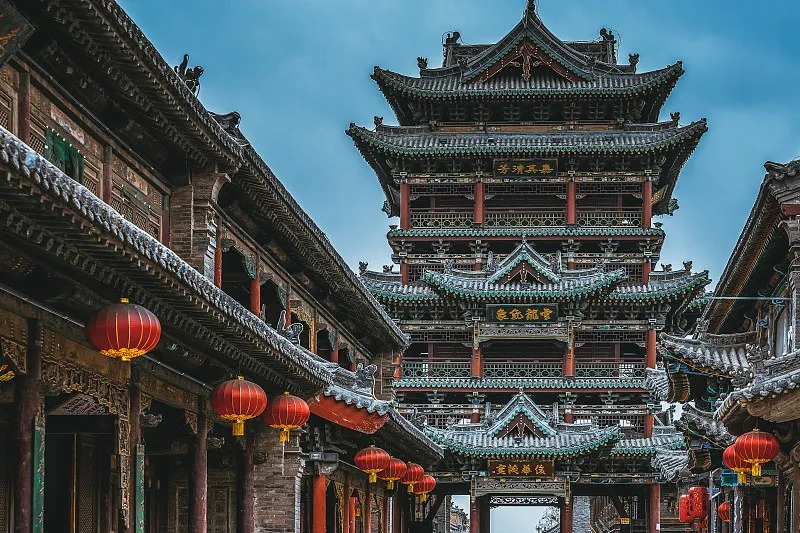
1. Pingyao Ancient City
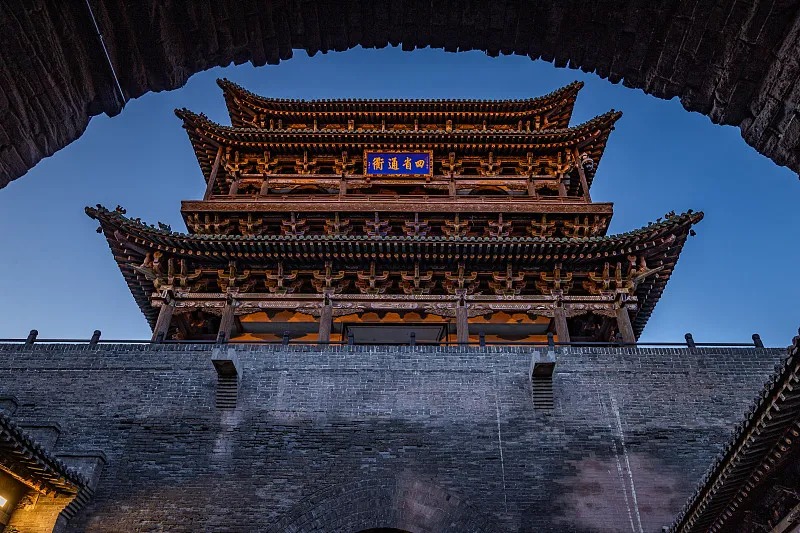
Massive ancient city walls encircle the whole town. Four main avenues, eight minor streets and seventy-two winding alleyways crisscross inside. Rishengchang Draft Bank, China’s first draft bank, marks the origin of modern finance. The ancient city is dotted with traditional quadrangle courtyards, time-honored shops, Confucian Temples and City God Temples. The ancient buildings feature neat structures and exquisite wood, brick and stone carvings. Condensing the wisdom of ancient urban planning and carrying the century-old financial legend of Shanxi merchants, Pingyao Ancient City works as a living fossil for the research of urban construction, commerce and folk customs in the Ming and Qing dynasties, enjoying worldwide fame.
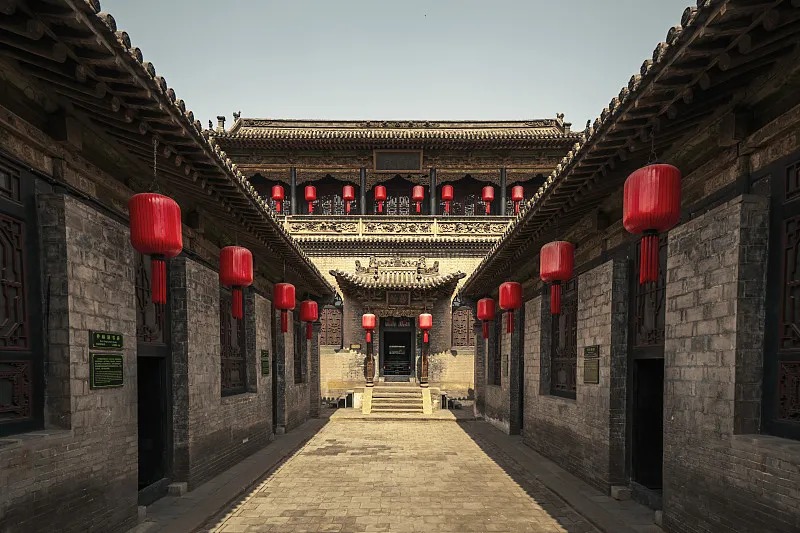
2. Qiao Family Courtyard
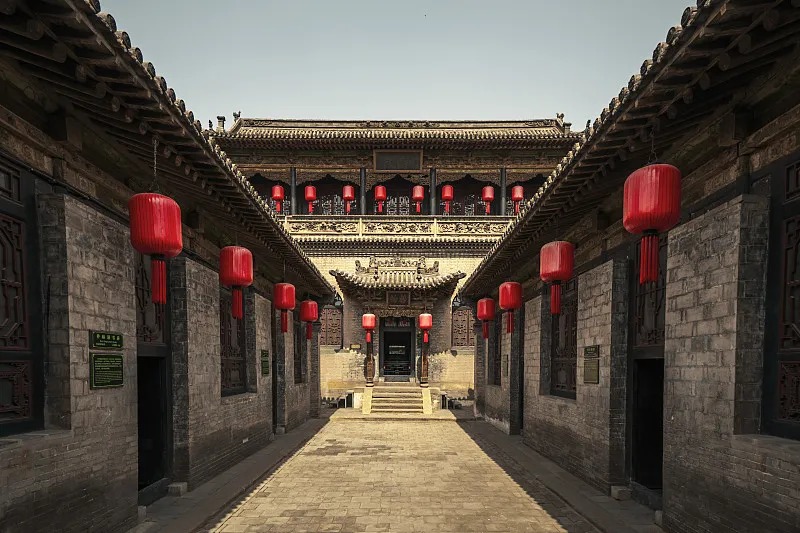
The entire courtyard follows a rigorous layout enclosed by high walls, with orderly courtyards unfolding layer upon layer. The complex consists of hundreds of houses decorated with top-tier wood, brick and stone carvings across Shanxi. The carvings adopt diverse themes with auspicious implications and display superb craftsmanship. The architecture embodies the defensive characteristics of northern dwellings and carries family values of valuing education and integrity. The Qiao Family Courtyard intuitively showcases the daily life of an eminent Shanxi merchant clan in the Qing Dynasty and inherits the values pursued by Shanxi merchants. It is an indispensable cultural landmark for appreciating northern ancient architecture and understanding the folk culture of Shanxi merchants.
3. Wang Family Courtyard
The architectural complex comprises two major zones: Hongmen Castle and Gaojiaya. Thousands of cave dwellings and houses stack up on the hillside. The cave residences integrate features of northern quadrangle courtyards and display distinctive Shanxi local styles. Neat alleys and towering castle walls satisfy both living and defensive demands. Couplets, horizontal inscribed boards and stone carvings can be found everywhere, recording family precepts. Compared with the delicate Qiao Family Courtyard, Wang Family Courtyard presents greater grandeur. It completely reflects the living patterns of powerful bureaucratic and merchant clans in northern China during the Ming and Qing dynasties. It stands as the pinnacle of Shanxi residential architecture and an important heritage of human settlement culture on the Loess Plateau in Jinzhong.
4. Mianshan Scenic Area
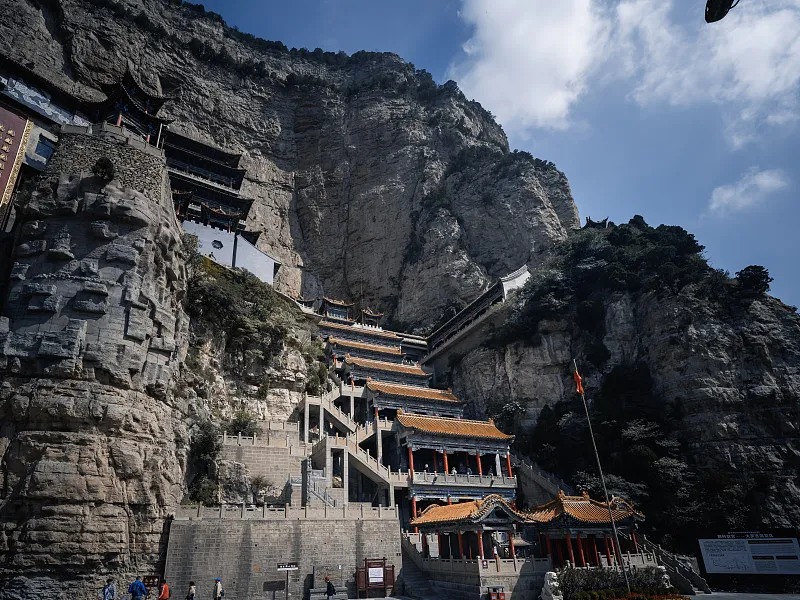
Mianshan features precipitous peaks. Numerous hanging temples such as Yunfeng Temple and Dalu Palace cling to steep cliffs, forming rare spectacular sights. Clear springs flow amid lush pines and cypresses, creating serene and magnificent natural landscapes. Since the Northern Wei Dynasty, the mountain has served as a sacred site for Buddhism and Taoism with enduring incense for over a thousand years. Mianshan perfectly integrates the loyalty culture of the Cold Food Festival, Buddhist and Taoist heritage, cliffside ancient architecture and Taihang mountain scenery. It is not only a cultural sacred place for tracing the origin of traditional folk customs, but also a distinctive tourist destination at the western foot of the Taihang Mountains.
5. Yuci Old Town
Yuci County Yamen enjoys a grand scale and complete specifications, ranking among China’s best-preserved ancient county government offices. The City God Temple features exquisite structures and well-preserved ancient painted decorations. Streets retain the texture of an ancient county lined with traditional shops full of lively atmosphere. Unlike Pingyao which thrives on commerce, Yuci Old Town carries more traditions of ancient local governance and Confucian education. Less commercialized, it retains a primitive and solemn charm. Concentrating the millennial urban development history of Jinzhong, it is an important scenic spot for learning about ancient local administration and folk culture in Shanxi.