
 English
 French
 Spanish
 Russian
 Arabic
 Italy
Italy
Maldives Travel Tips
I. Entry Customs Clearance Guidelines (Must Read)
1. Visa Policy: The Maldives offers visa-free entry for tourists from multiple countries, allowing a maximum stay of 30 days without the need to apply for a visa in advance.
2. Required documents: a passport valid for at least 6 months, round-trip airfare itinerary, and hotel reservation confirmation for the entire trip; customs authorities may conduct random inspections, so it is imperative to prepare both electronic and hard-copy backups in advance.
3. Entry Declaration: Within 96 hours prior to your travel, you must complete the official IMUGA electronic entry declaration for the Maldives; please save a screenshot of the declaration QR code. It is recommended to create dual backups using both your mobile phone and email address, or print a hard copy for backup purposes, which will significantly enhance your customs clearance efficiency.
4. Prohibition on bringing certain items: The Maldives is a Muslim country; it is strictly prohibited to bring alcoholic beverages, pork and pork products, drugs, prohibited religious materials, or pornographic content into the country. Violations may result in substantial fines, detention, or even deportation, with severe consequences.
5. Document Management: Keep passports, ID cards, flight tickets, hotel reservations, and photos of these documents in a secure location; perform cloud backups; store original documents separately from their photocopies. In the event of document loss, report it to the police immediately and contact your country's embassy or consulate abroad to seek assistance in resolving the matter.
II. Local Customs and Dress Code (Core Taboos)
The Maldives has a strong religious atmosphere; there are significant differences between the resort islands and the resident islands—do not confuse them:
1. Private Resort Island: The rules are relaxed; guests may wear swimwear, bikinis, or short-sleeved shirts and shorts, making it ideal for island excursions.
2. Malé city center and local residents' islands: Strictly conservative dress code applies; wearing swimwear, off-the-shoulder outfits, or short shorts is prohibited; shoulders and knees must be covered; men are prohibited from walking around fully exposed.
3. Fast-breaking restrictions: During the Islamic Ramadan month, eating, drinking, smoking, or chewing gum in public areas is prohibited during daylight hours; it is also essential to respect local religious customs and avoid any conflicts.
4. Etiquette norms: When handing over items or shaking hands, always use the right hand; the left hand is considered unclean in this region and should be avoided for such purposes.
5. Photography Prohibitions: It is strictly prohibited to photograph government buildings, military facilities, police stations, or other public facilities; before photographing local residents, you must obtain their prior consent; unauthorized photography is strictly forbidden.
6. Behavioral Prohibitions: Nudity and sunbathing in public beaches or public areas are prohibited; such actions constitute illegal behavior and may result in penalties.
III. Monetary Consumption and Tip Etiquette
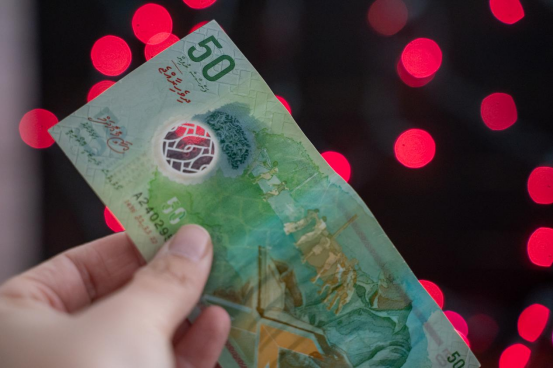
1. Universal Currency: The local currency is the Maldives Rufiyaa (MVR); the US dollar is accepted nationwide, so there is no need to exchange for the local currency. Credit cards are accepted at all high-end resorts, restaurants, and shops; most islands also support Alipay and WeChat Pay.
2. Cash Preparation: It is recommended to prepare some small amounts of US dollars in advance; these can be used primarily for tipping or making small incidental purchases, offering greater convenience.
3. Tip Guidelines (Voluntary Principle): Room cleaning: $1–$2 per day; luggage handling and crew services on sea voyages: $1–$3 per service; private butlers may offer additional tips based on the quality of service provided. If the bill already includes service charges, no additional tip is required.
IV. Marine Safety Guidelines and Legal Prohibitions (Top Priority)
1. Water Safety: When diving, going out to sea, or engaging in water activities, you must wear a life jacket; it is strictly forbidden to enter the water alone, and it is absolutely prohibited to enter the water while under the influence of alcohol or when feeling unwell. Throughout the entire activity, follow the instructions of the resort's instructor or lifeguard, and pay close attention to current conditions and wind-and-wave warnings.
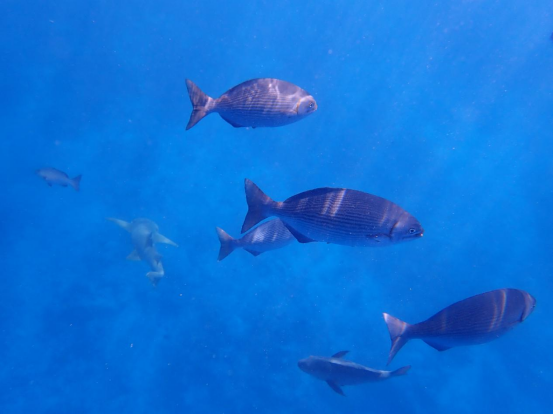
2. Marine Protection Regulations: The law explicitly prohibits taking away or collecting sand, shells, corals, or marine organisms from the island; it also prohibits stepping on or touching marine organisms such as corals, starfish, and jellyfish—some deep-sea organisms are highly toxic and can cause serious injury upon contact; anyone who violates these regulations by collecting or taking away such items will face substantial fines.
3. Safety precautions for diving: The islands and reefs have sharp and rough surfaces; it is recommended to prepare diving socks and non-slip beach shoes in advance to avoid cuts to your feet.
4. Environmental Protection Prohibitions: Fishing and harming marine life are prohibited; purchasing or carrying sea turtle products, coral products, or other marine-related items out of the country is prohibited; and strict compliance with local environmental protection laws is required.
V. Essential Travel Luggage Checklist
1. Sun protection gear: Given the extremely strong ultraviolet radiation in the area, essential items include SPF 50+ water-resistant sunscreen, a sun hat, polarized sunglasses, sun-protective clothing, and post-sunburn recovery skincare products to prevent sunburn.
2. Electrical accessories: The Maldives uses British standard sockets; you will need a British standard plug adapter; you may bring a power bank or portable charger, as charging facilities on the island are limited.
3. Clothing and Gear: Vacation island swimwear and quick-drying clothing; long-sleeved shirts and long trousers are essential for travel to Malé and the residential islands.
4. Medications and Supplies: Medications on islands are often expensive and limited in variety; therefore, it is advisable to bring your own gastrointestinal medications, motion sickness remedies, cold medicines, adhesive bandages, mosquito repellent, and antihistamines. Most resorts do not provide toothbrushes, toothpaste, or slippers; you should prepare these items yourself.
VI. Communication, Transportation, and Accommodation Safety
1. Network connectivity: At the airport, you can purchase a local travel SIM card or an eSIM, which covers all major resort islands and residential islands, with stable internet speeds; most resorts also offer free WiFi.
2. Island transportation: Travel between islands is solely facilitated by speedboats and seaplanes; there are no land-based transportation options. In the Malahei city area, public transport includes ferries and taxis; local vehicles drive on the right-hand side; when crossing the road, please be mindful of oncoming traffic.
3. Safety Precautions: Avoid visiting secluded beaches or remote forested areas at night; promptly lock all doors and windows when entering your room; store valuables in the room's safe; and keep your personal belongings secure.
VII. Best Travel Time
1. Dry season (December – March of the following year): The weather is clear with little rain, and the sea conditions are excellent, making it ideal for snorkeling, sailing, and photography; this is the peak travel season, offering the best scenery, though airfare and hotel prices tend to be relatively high.
2. Rainy Season (May–October): This is the off-season for tourism, offering exceptional value for money; rainfall typically consists of short bursts, with skies clearing quickly after rain, ensuring that activities can proceed without disruption; occasional fluctuations in sea conditions may occur, making this period ideal for travel focused on cost-effectiveness.
VIII. Other Important Reminders
1. Before traveling, be sure to purchase overseas travel insurance; prioritize policies that include snorkeling, marine activities, and accidental medical coverage to mitigate potential travel risks.
2. Freshwater resources on islands are scarce; please conserve water for daily personal hygiene needs and adopt green travel practices.
3. It is strictly prohibited to discard waste in the ocean or on beaches; please consciously protect the island's ecological environment and safeguard the marine landscape of the Maldives.