
 English
 French
 Spanish
 Russian
 Arabic
 Italy
Italy
Lijiang, situated in northwestern Yunnan Province on the southeastern edge of the Qinghai-Tibet Plateau, is a world-renowned UNESCO World Heritage City and a National Historical and Cultural City. It also served as a key hub along the ancient Tea Horse Road and is the birthplace of Naxi ethnic culture. The city seamlessly blends the majestic natural landscapes of the plateau with its millennia-old cultural heritage and distinctive ethnic traditions: snow-capped mountains frame the ancient city, while flowing streams wind through its streets, making it a premier destination for leisure travel and cultural tourism in China.
I. Core Tourist Attractions
(1) Lijiang Ancient City (Dayan Ancient Town)
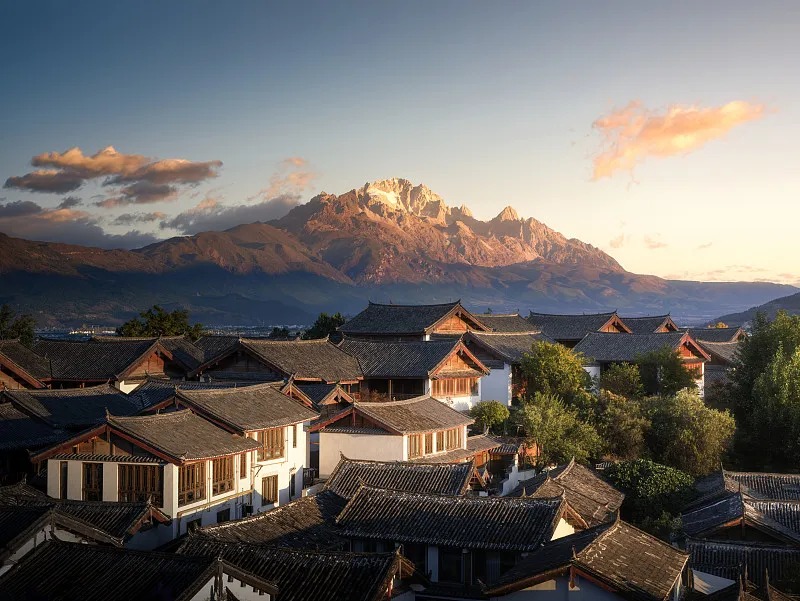
Lijiang Ancient City is one of the few walled-free ancient cities in China, originally constructed during the late Song and early Yuan dynasties, boasting a history of over eight centuries and being inscribed on the World Heritage List as a whole. Built amidst natural landscapes with three rivers flowing through it and a network of streets and alleys, the city presents a unique scene where "flowing water greets every household and blooming flowers adorn every window." Key landmarks include the Great Waterwheel, Square Street, Mufu Mansion, and Wangu Lou on Lion Mountain. Among these, Square Street served as the commercial hub along the ancient Tea-Horse Road, bustling with activity; Mufu Mansion, hailed as the "Lijiang Forbidden City," was the residence of successive Naxi chieftains, featuring grand architecture and profound cultural heritage; from Wangu Lou on Lion Mountain, one can enjoy a panoramic view of the entire ancient city, with its neatly arranged blue bricks and black tiles creating a breathtaking spectacle. The Naxi dwellings within the city adhere to the classic architectural design of "three courtyards and a screen wall," showcasing distinct ethnic characteristics.
(2)Yulong Snow Mountain

Yulong Snow Mountain is the southernmost perennial snow-capped mountain range in the Northern Hemisphere and holds sacred status for the Naxi people. Its main peak stands at 5,596 meters above sea level, perpetually shrouded in mist and blanketed in white snow, presenting a majestic and awe-inspiring sight. As a landmark attraction of Lijiang, the scenic area comprises several key zones: the Glacier Park cable car provides direct access to an observation deck at 4,680 meters, offering close-up views of the snow-covered glaciers; Blue Moon Valley, formed by meltwater from the mountains, features crystal-clear blue-green waters that are pure and soothing, earning it the nickname "Little Jiuzhaigou of the Plateau"; Yunshanping, located deep within the snow-covered mountains, is a vast alpine meadow surrounded by peaks and forests, renowned for its breathtaking scenery and as a popular romantic spot; the winter phenomenon of Yulong Snow Mountain's golden sunlight reflection is a rare natural spectacle.
(3) Shuhe Ancient Town
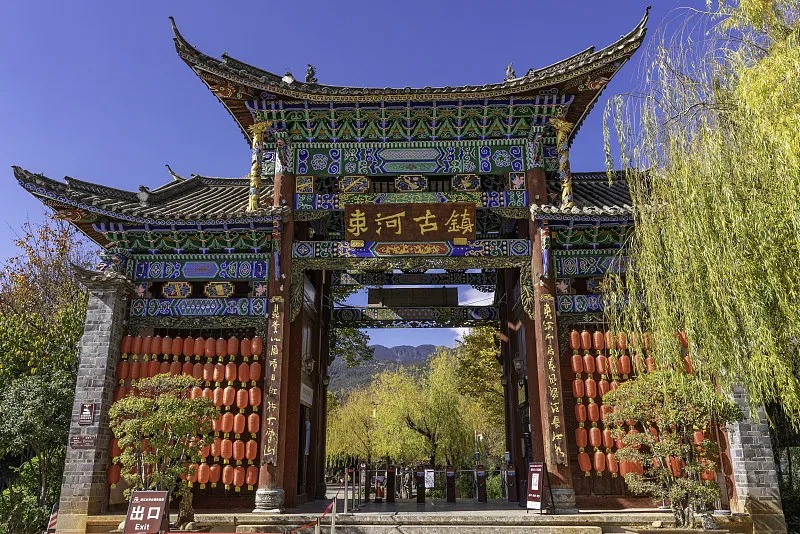
Shuhe Ancient Town is a significant stop along the Tea Horse Road. Compared to Dayan Ancient City, it exhibits a lower degree of commercialization and preserves a more pristine and tranquil ancient town character. Nestled between mountains and water, the town boasts a serene environment, with key attractions including the century-old Qinglong Bridge, Jiuding Dragon Pool, and the Tea Horse Road Museum. The ancient stone-paved path exudes rustic charm; the pond water is crystal clear, and traditional residences are scattered throughout the area, making it ideal for leisurely strolls, tea tasting, relaxation, and experiencing the town's slow-paced lifestyle—a perfect destination for family visits and relaxation.
(4) Baisha Ancient Town
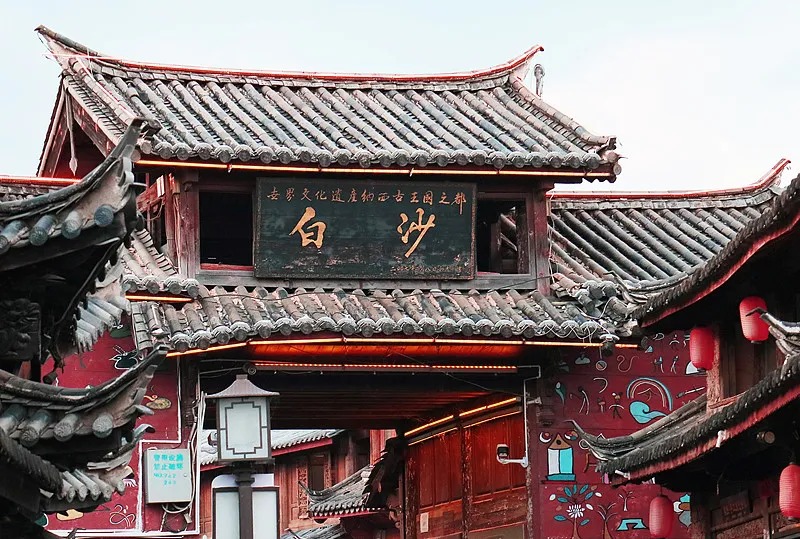
Baisha Ancient Town is the millennium-old capital of the Naxi ethnic group and the most pristine village among Lijiang's three ancient towns, free from excessive commercial development and characterized by simple, authentic local customs. The town faces the Yulong Snow Mountain directly; looking up, one is greeted by its magnificent snow-capped scenery, creating a truly immersive atmosphere. Its most valuable attraction is the Baisha murals—wall paintings dating back to the Ming Dynasty that blend artistic styles from Han, Tibetan, Naxi, and Bai cultures, featuring delicate brushwork and rich content, making them a precious treasure of intangible cultural heritage. Additionally, the town is dotted with traditional tie-dye workshops and ancient Naxi courtyards, exuding a genuine sense of ethnic vitality throughout.
(5) Lugu Lake (around Lijiang)

Lugu Lake, situated at the border of Yunnan and Sichuan provinces, is renowned as the "Daughter's Land of the East" and a natural gem on the plateau. The lake boasts crystal-clear waters and a deep blue hue, surrounded by picturesque scenery that changes with each season. It serves as the heart of the Mosuo people's matrilineal clan culture, preserving the ancient custom of walking marriage. Visitors can enjoy boat tours on the lake, stroll across the popular Walking Marriage Bridge, explore the Ligé Peninsula, and admire the stunning high-altitude starry sky at night, immersing themselves in the unique Mosuo traditions and breathtaking lakeside landscapes.
II. Distinctive Regional Culture
(1) Dongba Culture (the core culture of the Naxi people)
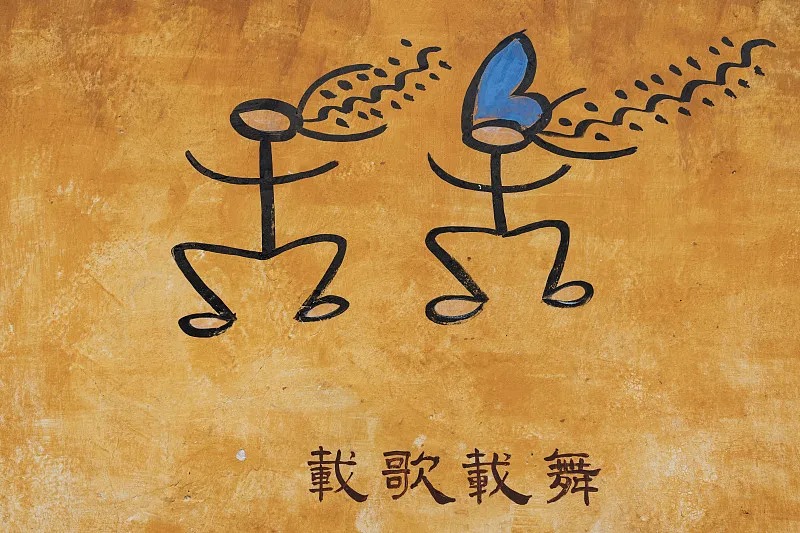
Dongba culture constitutes the core of the Naxi ethnic group's traditional heritage and represents a precious intangible cultural treasure of the Chinese nation. The Dongba script is the world's only surviving pictographic writing system, with a history spanning over a millennium; its characters are simple yet vivid, primarily used for writing Dongba scriptures and documenting folk traditions. The accompanying Dongba handmade paper is crafted from ancient tree bark, featuring a durable texture that remains uncorroded for millennia, making it a unique intangible cultural craft. Additionally, traditional performances such as Dongba dance and Remecuo are primitive collective folk dances of the Naxi people, characterized by dynamic singing and dancing that create a vibrant atmosphere while preserving the nation's ancient cultural memory.
(2) Naxi Ancient Music
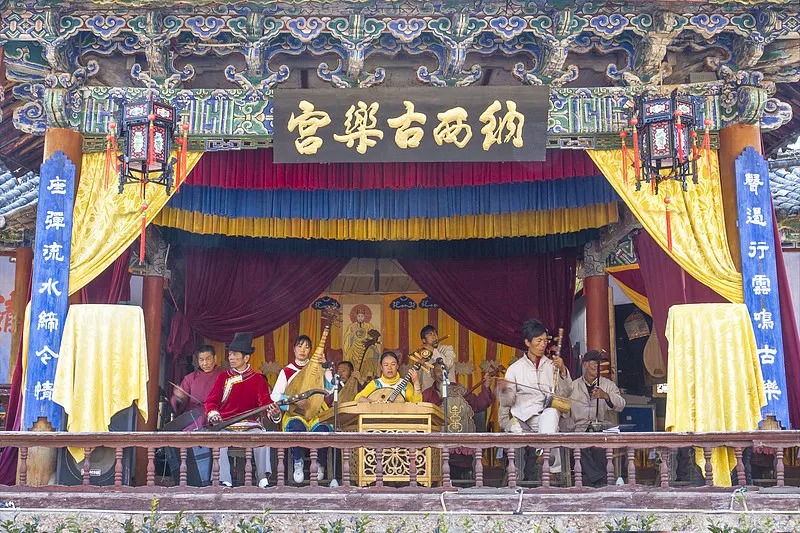
Naxi ancient music is hailed as the "living fossil of China's music," tracing its origins to the court rituals and music of the Tang and Song dynasties. Having been passed down for millennia, it retains a simple yet profound musicality. Performed mostly by seasoned local artists, these pieces are characterized by their gentle, ethereal quality and enduring charm, embodying Lijiang's millennia-old historical heritage and representing an essential cultural experience not to be missed when visiting the city.
(3) Folk Architecture and Costume Culture
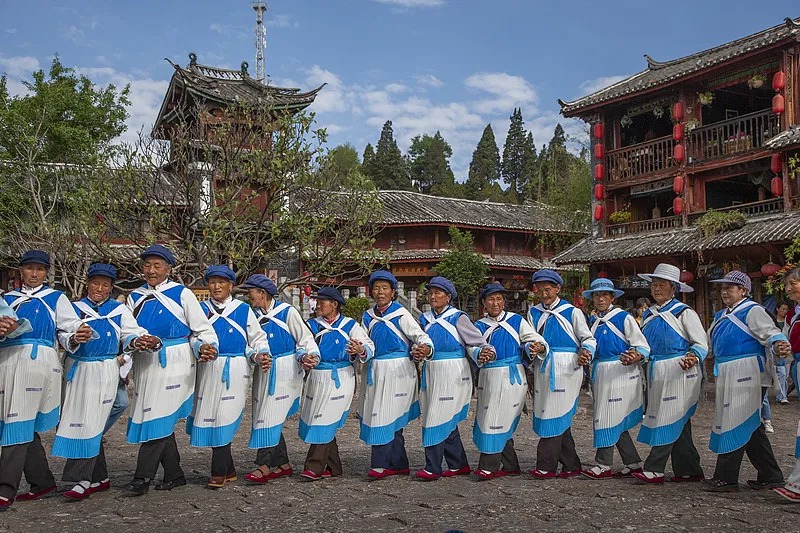
The Naxi dwellings in Lijiang exhibit distinct regional characteristics, featuring the classic layout of "three courtyards with a central screen wall and four sides surrounded by five sky wells." Primarily constructed from wood, these structures are elegantly arranged, combining practicality with aesthetic appeal while being well-suited to the plateau climate and highly earthquake-resistant. The iconic "Pi Xing Dai Yue" sheepskin shawl, a hallmark of Naxi traditional attire, symbolizes the people's diligence, simplicity, and commitment to daily labor, serving as a quintessential emblem of their culture.
(4) Traditional Festival Culture
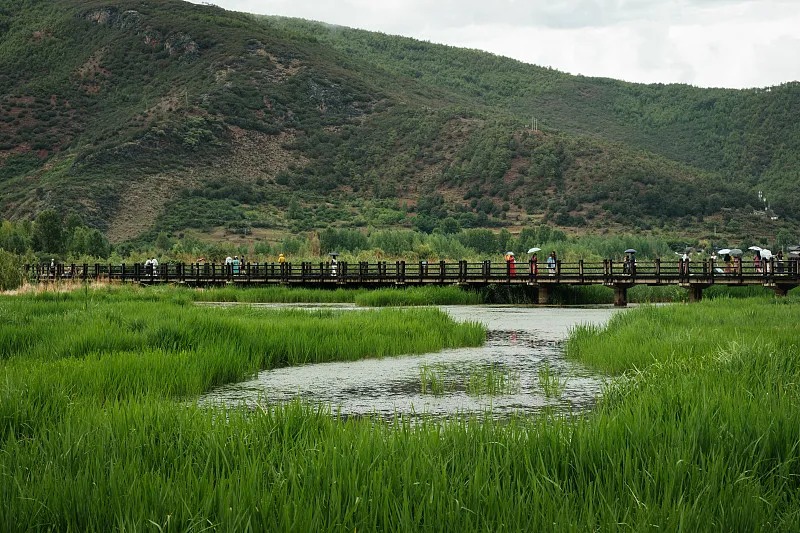
Lijiang is renowned for its vibrant folk festivals, with the grandest being the San Duo Festival—the traditional New Year celebration of the Naxi people, dedicated to honoring the Jade Dragon Mountain and praying for blessings and prosperity, making it their most solemn festival. Other distinctive events such as the Torch Festival and the Mosuo Walking Marriage Festival each possess unique charm, collectively showcasing the rich diversity of local ethnic cultures.
(5) The culture of the horse caravans along the Ancient Tea-Horse Road
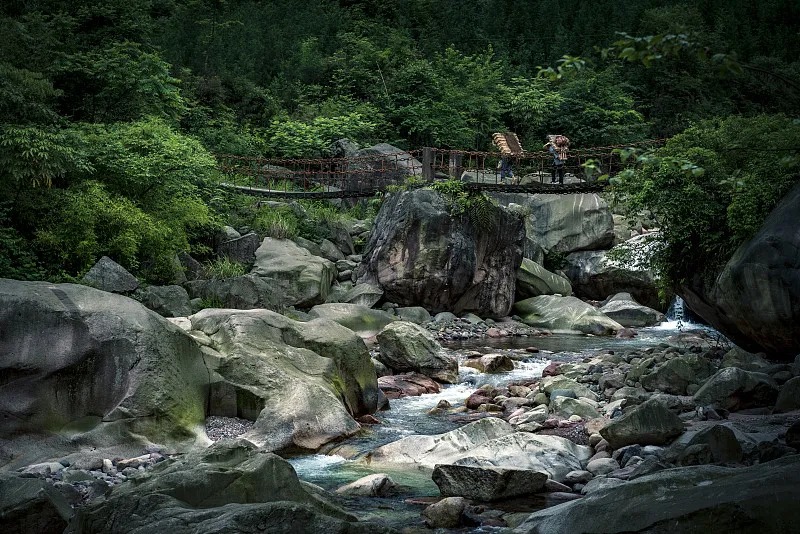
Lijiang served as a strategic hub along the ancient Tea-Horse Road and a central node for commercial exchanges among Yunnan, Sichuan, and Tibet. For millennia, caravans traversed these snow-capped mountain routes, fostering commercial prosperity while giving rise to a distinctive caravan culture characterized by resilience, loyalty, and pioneering spirit—cultures that have profoundly shaped Lijiang's urban development, local customs, and cultural heritage.
III. Local Specialty Foods
(1) Pork Ribs Hot Pot
This signature Lijiang dish features ribs from plateau native pigs, marinated and air-dried using traditional methods. The resulting broth is rich, white, and full-bodied with a savory, aromatic flavor; the meat is tender yet not tough. Paired with local wild vegetables and plateau mushrooms, it offers exceptional freshness and aroma, making it a must-try specialty hot pot in Lijiang.
(2) Lijiang Bababa
This classic dry snack for horse caravans along the ancient Tea-Horse Road is a traditional specialty pastry from Lijiang. Available in sweet or savory flavors, the sweet version pairs with brown sugar walnuts, while the savory variant features ham and chopped scallions. It boasts a crispy exterior, tender interior, a rich yet non-greasy texture, and a distinctive aroma, making it suitable for all ages.
(3) Chicken and Bean Cold Powder
Lijiang's distinctive plateau snack is made from ground chicken and peas, local specialties of the highlands. It offers diverse preparation methods: cold served cold noodles provide a refreshing sour-spicy taste that stimulates appetite and counteracts greasiness; pan-fried cold noodles are crispy on the outside and tender on the inside, with a rich aroma, making it the most authentic and vibrant street food in the ancient city.
(4) Naxi Roasted Fish
Made from fresh lake fish sourced from Lashihai Lake, the dish is marinated with a secret Naxi spice blend and then slowly roasted over charcoal. The fish features a crispy exterior and tender interior, offering a rich flavor profile with distinctive aromatic notes, making it a quintessential ethnic delicacy from the riverside cuisine.
(5) Black Goat Hot Pot
These dishes feature high-quality black goats raised free-range on the plateau, renowned for their tender, firm meat free from any gamey or fishy odor. The broth is clear, sweet, and flavorful, rich in nutrients, making them an ideal warming dish for autumn and winter in Lijiang, with a rich texture and distinctive taste profile.
(6) Collection of Local Specialties
Roasted Milk Fan: A classic Yunnan dairy product made from fresh milk, roasted over charcoal until tender and sweet; brushing with rose sauce enhances its flavor. Rice Dumplings: Made with glutinous rice filled with a secret pork blood filling, pan-fried to a golden color and sliced into pieces for a soft, chewy texture and fresh aroma. Wild Mushroom Hot Pot: Available only during the rainy season (June–September), featuring a selection of high-altitude wild mushrooms including matsutake, chicken mushroom, and oyster mushroom, served in an exceptionally rich broth – a unique mountain delicacy exclusive to Lijiang.
IV. The Best Time to Travel
Lijiang is a perfect destination throughout all four seasons, each offering its own unique charm. From March to May in spring, the ancient town is adorned with blooming flowers and enjoys a mild climate; June to August in summer provides cool relief from the heat, making it ideal for observing wild mushrooms and enjoying the lush green mountains and clear waters; September to November in autumn feature clear skies, serene landscapes, and stunning layered snow-capped mountain views; while December to February in winter offer breathtaking views of golden sunlit peaks and pristine snowy scenery, creating an utterly immersive experience.