
 English
 French
 Spanish
 Russian
 Arabic
 Italy
Italy
Chinese Zodiac Culture
I. Overview of Zodiac Culture
The Chinese zodiac, also known as the "Twelve Zodiac Animals" or "Twelve Zodiac Signs", is a millennia-old traditional folk culture of China and an important symbol of its excellent traditional culture. The ancients paired the twelve animals with the twelve earthly branches to mark years and time periods, while also correlating them with individuals 'birth years, thus forming each person's unique zodiac sign.
The zodiac culture has been integrated into the life, folk customs, art, festivals, and rituals of the Chinese people—not merely as a calendar system, but also as a carrier of the ancient people's understanding of nature, life, and existence, along with their beautiful aspirations. At the same time, this culture has spread widely across East Asia and Southeast Asia, becoming a highly representative symbol of Eastern culture.
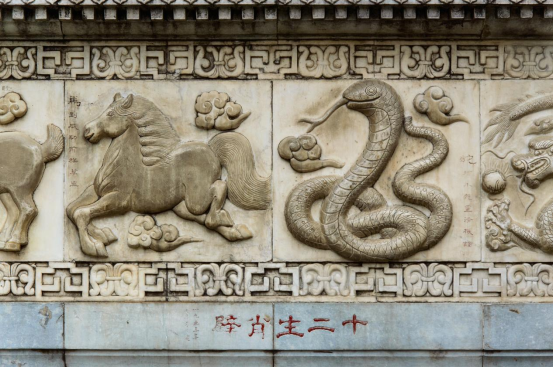
II. The order of the Chinese zodiac signs and their corresponding Earthly Branches
The order of the Chinese zodiac signs is fixed and repeats every twelve years; this sequence never changes:
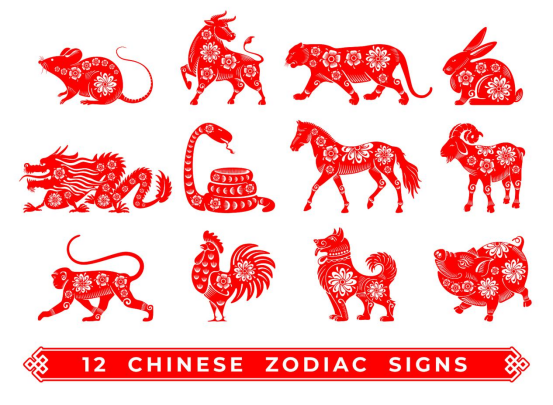
Rat, Ox, Tiger, Rabbit, Dragon, Snake, Horse, Sheep, Monkey, Chicken, Dog, Pig
Corresponding to the Twelve Earthly Branches: Zi, Chou, Yin, Mao, Chen, Si, Wu, Wei, Shen, You, Xu, and Hai
Complete pairing: Zi (Rat), Chou (Ox), Yin (Tiger), Mao (Rabbit), Chen (Dragon), Si (Snake), Wu (Horse), Wei (Goat), Shen (Monkey), You (Rooster), Xu (Dog), Hai (Pig).
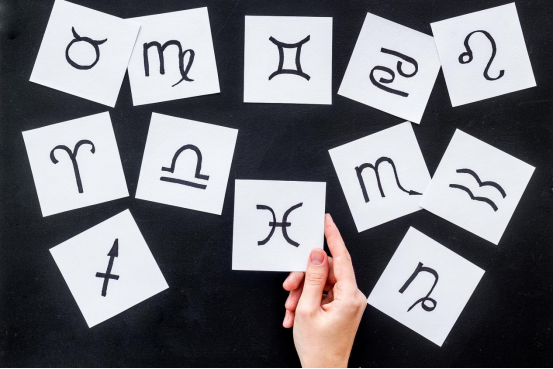
III. The Origins of the Chinese Zodiac
The culture of the Chinese zodiac has a long history; its origins date back to the pre-Qin period, it was formally established during the Han Dynasty, and has been in use for over two thousand years. There are three primary theories regarding its origin:
1. The Astronomical Calendar System: Ancient people observed celestial phenomena and summarized the cyclical nature of the four seasons; they then combined this with the twelve earthly branches dating system and incorporated animal symbols to create a comprehensive calendar framework, making it easier for the general public to remember and use.
2. Ancient Totem Worship: In ancient times, early human societies adopted animals as their tribal totems, revered all living beings in nature, and attributed auspicious and powerful meanings to these animals, which gradually evolved into the Chinese zodiac culture.
3. Evolution of Folk Legends: A widely circulated folk tale titled "The Race Ranking of the Twelve Zodiac Animals" describes how the order of the twelve zodiac animals was determined by their rankings in a river-crossing competition among the animals, evolving into a household-familiar folk legend.
Special Note: The Dragon is the only mythical creature among the twelve zodiac signs that does not exist in reality; it is a uniquely Chinese auspicious symbol, representing the beautiful imagination and spiritual beliefs of ancient people.
IV. Symbolic Meanings of the Chinese Zodiac Animals
1. Mouse (Zi): Symbolizes intelligence, agility, tenacious vitality, adaptability, and quick wit.
2. Ox (Chou): Symbolizes diligence, steadfastness, resilience, and composure; it signifies hard work and dedication, stability and reliability, as well as a secure source of wealth.
3. Tiger (Yin): Represents valor, majesty, and righteous integrity; it symbolizes warding off evil forces and misfortune, ensuring prosperity and well-being, as well as demonstrating courage and perseverance.
4. Rabbit (Mao): Symbolizes gentleness, kindness, quietness, and quick wit; it signifies peace, smooth progress, auspiciousness, and elegance.
5. The Dragon (Chen): The supreme auspicious beast symbolizing noble authority, auspicious prosperity, and the realization of grand ambitions; it serves as the spiritual totem of the Chinese nation.
6. Snake (Shi): Symbolizes wisdom, patience, composure, and keen insight; also known as the "Little Dragon," representing steadiness, wisdom, and a readiness to take action.
7. Horse (Wu): Symbolizes freedom, unrestrained spirit, and forging ahead with courage; it signifies career breakthroughs, swift success, and a proactive approach to advancement.
8. The sheep symbolizes gentleness, humility, kindness, and warmth; it signifies harmony, smooth progress, auspiciousness, and well-being.
9. Monkey (Shen): Symbolizes wit and intelligence, liveliness and agility, adaptability, and quick thinking.
10. The Rooster (You): Symbolizes punctuality, trustworthiness, diligence, and self-discipline; it rises each morning, representing light, hope, and hard work.
11. Dog (Xu): Symbolizes loyalty, integrity, guardianship, and responsibility; it represents safeguarding peace, trustworthiness, and sincerity.
12. Pig (Hai): Symbolizes honesty, simplicity, and abundant blessings; it represents prosperity, fulfillment, and the assurance of having enough food and clothing.
V. Traditional Zodiac Folk Customs
1. Customs of one's birth year
Every twelve years marks one's "Benming Year" —the year corresponding to one's zodiac sign at birth. According to folk beliefs, the Benming Year is associated with the "Taishui" (a celestial deity), during which one's fortune may experience significant fluctuations; hence, the custom of wearing red clothing, wearing a red cord, or tying a red belt has been passed down through generations, symbolizing the warding off of evil forces, attracting blessings, ensuring peace, and bringing smoothness and success throughout the coming year.
2. Zodiac Year Dating Rules
The transition between zodiac signs is marked by the Lunar New Year (the first day of the first lunar month), rather than January 1st on the Gregorian calendar. Those born before the Spring Festival belong to the zodiac sign of the previous year; those born during or after the Spring Festival belong to the zodiac sign of the current year.
3. Zodiac Folklore Applications
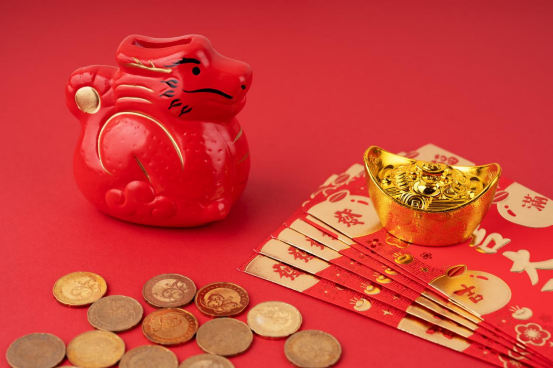
Zodiac culture is widely applied across various fields, including Spring Festival traditions, folk paper-cutting, New Year paintings, embroidery, jade carving, and stamp-based cultural and creative products. Every year during the Spring Festival, the corresponding zodiac animal serves as a central element in Spring Festival decorations and traditional customs, imbuing the celebrations with a strong festive atmosphere.
4. The Cultural Association of Chinese Zodiac Animals
Since ancient times, there has been a tradition in Chinese folklore regarding zodiac personality traits and zodiac compatibility, which uses the personality characteristics and compatibility relationships between different zodiac signs as folk references; this practice falls within the realm of traditional folk culture and is intended solely for cultural appreciation, lacking any scientific basis.
VI. The Dissemination and Value of Zodiac Culture
The Chinese zodiac is one of the most iconic cultural IPs in China; having been passed down over thousands of years, it has long become an integral part of the Chinese people's daily lives and spiritual world. As Chinese culture spread globally, the zodiac tradition was introduced to Japan, South Korea, Vietnam, and other Southeast Asian countries, serving as an important window for overseas audiences to understand Chinese culture.
Zodiac culture is not merely a system for dating; it also embodies the noble spiritual qualities of the Chinese nation—hardworking, kind, brave, enterprising, and loyal—and serves as a vital vehicle for preserving Chinese folk traditions and promoting traditional culture.
VII. Cultural Tips
1. The Chinese zodiac is part of traditional folk culture and is used for seeking blessings, commemorating events, or enjoying aesthetic appreciation; however, practices such as zodiac fortune-telling or predicting one's future luck lack scientific basis.
2. The Chinese zodiac is a complete animal-based calendar system unique to China, reflecting the ancient people's wisdom in learning from nature and respecting it.