
 English
 French
 Spanish
 Russian
 Arabic
 Italy
Italy
Introduction to Chinese tea culture
China is the homeland of tea, boasting a history spanning thousands of years of tea cultivation, processing, and consumption. Tea serves not only as a beverage for everyday life but also as an important carrier of traditional Chinese culture, blending the refined literary pursuits embodied in the "qin, chess, calligraphy, painting, poetry, wine, and tea" with the everyday realities captured in the "firewood, rice, oil, salt, soy sauce, vinegar, and tea" lifestyle. Based on their production techniques and degree of fermentation, Chinese teas are classified into six major categories; the distinct climates and soil conditions across different regions have given rise to unique local specialty teas.
I. The Six Major Types of Tea in China
1. Green tea (non-fermented tea)
The steeping process preserves the freshness of the tea leaves, resulting in a bright, tender green liquor with a refreshing and aromatic taste. This tea is best brewed with cold water or hot water at 80–85°C; it should not be stored for an extended period. Representative varieties include: West Lake Longjing, Dongting Biluochun, Huangshan Maofeng, Xinyang Maojian, and Mengding Ganlu.
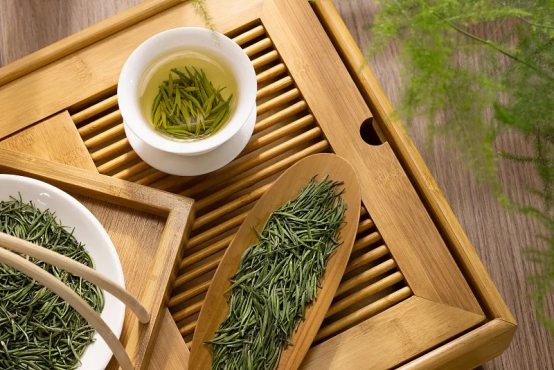
2. White tea (lightly fermented tea)
Features a simple production process that primarily involves withering and drying, without any pan-frying or kneading. It boasts a distinct silvery aroma and a refreshingly sweet taste. White tea can be stored for extended periods; as the saying goes, "a year's tea is like medicine, three years' tea is a treasure, and seven years' tea is a precious gem" —the older the white tea, the more fragrant it becomes. Representative varieties include Baihao Yinzhen, Bai Mudan, Shoumei (Fujian), and Yunnan Yueguang Bai.
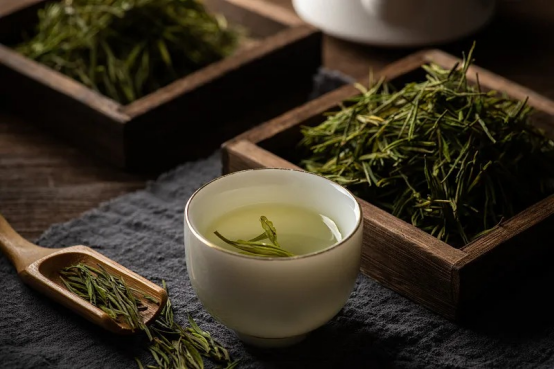
3. Yellow Tea (lightly fermented tea)
This variety is produced by adding a "stewing" process to green tea, resulting in a yellow tea liquor and leaves with a smoother, more mellow taste than regular green tea; its overall production volume is relatively small. Representative varieties include Junshan Yinzhen, Mengding Huangya, and Huoshan Huangya.
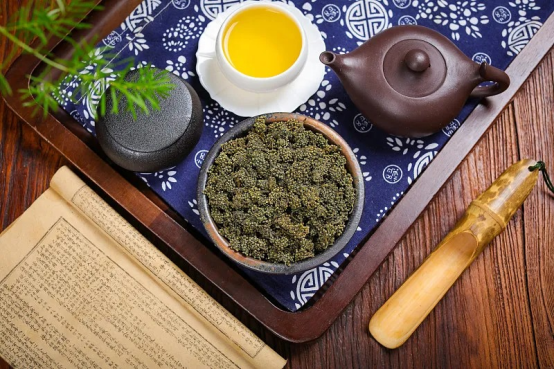
4. Oolong tea (green tea, semi-fermented tea)
The fermentation level falls between that of green tea and black tea, featuring a rich and varied aroma that emphasizes fragrance and character. It is categorized into lightly fermented, light-flavored varieties and heavily fermented, roasted varieties. Representative varieties include Tieguanyin, Wuyi Rock Tea (Da Hong Pao, cassia bark, Shuixian), Phoenix Dancong, and Taiwan High-Altitude Oolong.
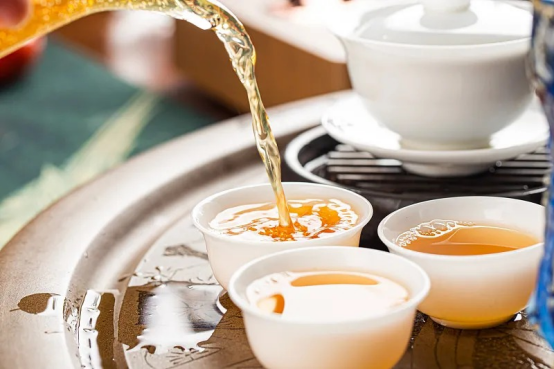
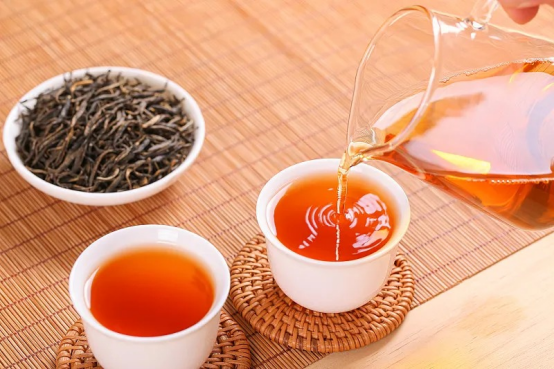
5. Black tea (fully fermented tea)
This tea undergoes thorough oxidation, resulting in a red liquor and red leaves with a sweet, rich flavor and broad adaptability, making it ideal for blending into various infusions. Representative varieties include Zhengshan Xiaozhong, Jinjunmei, Keemun Black Tea, and Dianhong (Yunnan Black Tea).
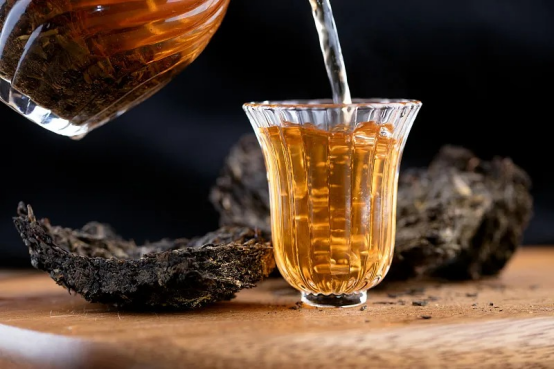
6. Black tea (post-fermented tea)
After production, the tea undergoes continuous microbial fermentation; it is most commonly processed into compressed tea, and the longer the maturation period, the richer the flavor becomes. In ancient times, this method was widely used in trade along the Ancient Tea Horse Road. Representative examples include Yunnan Pu-erh tea (raw and ripe Pu-erh), Hunan Anhua dark tea, and Guangxi Liubao tea.
II. Key Tea Production Regions and Representative Tea Varieties
(1) Yunnan Province
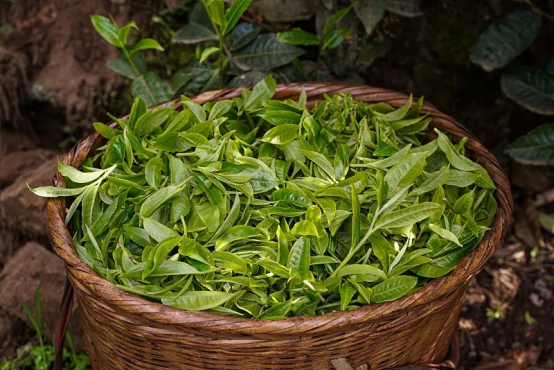
Yunnan is characterized by extensive mountain rainforests and widespread large-leaf tea plantations, boasting abundant ancient tea tree resources; it is an important origin region for tea in China.
Pu-erh tea is categorized into raw Pu-erh and ripe Pu-erh. Raw Pu-erh boasts a robust flavor and a lingering sweet aftertaste; ripe Pu-erh, which undergoes wudui fermentation, yields a deep, rich red tea liquor—typically available in the form of cake or brick tea – making it ideal for long-term storage. It is primarily produced in regions such as Xishuangbanna, Pu'er City, and Lincang.
Yunnan Hong: A Yunnan Gongfu black tea characterized by its rich aroma and golden liquor; its core production area is Fengqing.
Yunnan White Tea (Moonlight White): Made from large-leaf tea plants; characterized by high sweetness and excellent reinfusing capacity.
(2) Fujian Province
Fujian offers a comprehensive range of tea varieties, with top-tier products available for white tea, oolong tea, and black tea.
Minnan (Anxi): Tieguanyin is a type of Oolong tea characterized by a distinct orchid-like aroma and a light, elegant fragrance.
Wuyi Mountain in northern Fujian: Wuyi Rock Tea (Da Hong Pao, Cassia Bark, Shuixian) boasts a unique "rocky character" with a distinctive rock-like texture and floral aroma, as well as high reinfusibility; Zhengshan Xiaozhong is the world's earliest black tea; Jinjunmei is a representative high-end black tea.
Fuding and Zhenghe in eastern Fujian: Fuding White Tea – including Baihao Yinzhen, Bai Mudan, and Shoumei – boasts a delicate, honey-like fragrance and represents the core production area for white tea.
(3) Zhejiang Province
A leading producer of green tea: West Lake Longjing, a specialty of Hangzhou's West Lake, features flat, straight leaves with a vibrant green color and rich aroma; Anji White Tea boasts a high amino acid content, offering a fresh, crisp, and sweet taste.
(4) Anhui Province
Huangshan Maofeng – a high-altitude green tea featuring a fresh taste and lingering sweet aftertaste; Keemun Black Tea – one of the world's three finest high-fragrance black teas; Lu' an Guapian – the only sheet-shaped green tea devoid of buds or stems.
(5) Guangdong Province
Fenghuang Dancong (Chaozhou) and Oolong tea feature a rich and diverse range of aromas; Yingde black tea boasts a rich and mellow flavor. The custom of brewing Gongfu tea is widely practiced in Guangdong.
(6) Hunan Province
Junshan Yinzhen is a premium yellow tea; Anhua Black Tea and Fuzhuan Tea possess a distinctive fungal aroma and have historically served as vital commodities along the Ancient Tea Horse Road.
(7) Guangxi
Liubao tea and dark tea exhibit a distinct betel nut aroma; Hengzhou Jasmine Tea is a representative example of floral tea, boasting a rich floral fragrance.
III. The Essence of Tea Culture
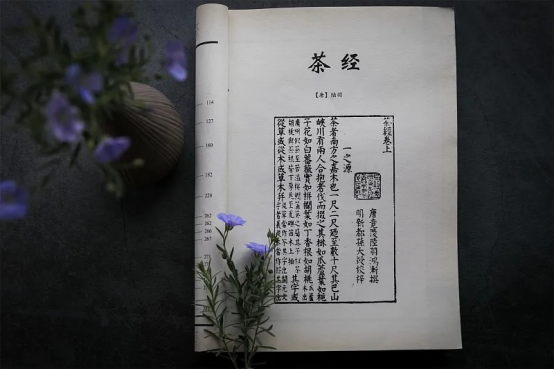
During the Tang Dynasty, Lu Yu authored the “Classic of Tea”, the world's first specialized treatise on tea studies, which laid the theoretical foundation for tea culture. Historically, the Ancient Tea-Horse Road facilitated the dissemination of tea abroad, influencing tea-drinking customs across Asia and beyond.
Chinese hospitality tradition emphasizes serving tea upon the arrival of guests, giving rise to diverse tea-drinking customs across different regions: Fujian and Guangdong's Gongfu tea, Sichuan's Gaiban tea, ethnic minority's oil tea, and the Three-Step Tea ceremony, among others. Tea culture embodies tranquility and simplicity—allowing one to connect with nature and cultivate inner peace through tea tasting. Today, tea is not merely a traditional beverage but has also given rise to innovative tea-based drinks, continuously renewing its vitality.
IV. Conclusion
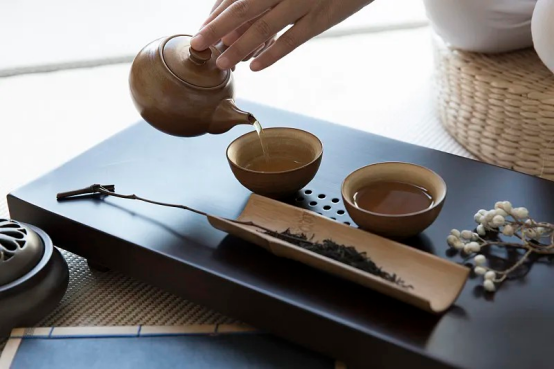
The unique terroir of each region gives rise to its distinctive tea aroma. From the rich Pu-erh of Yunnan and the vibrant oolong and white teas of Fujian to the refreshing green teas of Jiangsu and Zhejiang – each renowned local tea variety boasts its own distinctive character. Spanning thousands of years, tea culture bridges history, nature, and everyday life; it is not merely a material product but also an important symbol of China's outstanding traditional culture.