
 English
 French
 Spanish
 Russian
 Arabic
 Italy
Italy
Chinese silk culture
Silk is a remarkable ancient Chinese invention and a cultural symbol representing the global reach of Chinese civilization. Made from mulberry silk as its raw material, it integrates agriculture, craftsmanship, aesthetics, and commerce into a unified tradition spanning over 5,000 years; China's sericulture and silk-weaving techniques were inscribed on the UNESCO Representative List of the Intangible Cultural Heritage of Humanity in 2009.
I. Origin and Historical Development
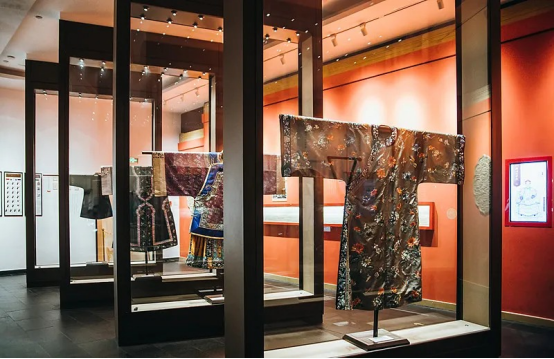
The legend that Leizu, the First Consort of the Yellow Emperor, taught the people how to raise silkworms and spin silk is the most widely circulated account of the origin of silk. Archaeological evidence confirms that as early as the Neolithic Age—more than 5,000 years ago—the ancient Chinese people had already been using silk to produce textiles.
During the Shang and Zhou dynasties, sericulture became a vital national industry; various types of silk fabrics—such as lapis lazuli silk, ruo silk, qi silk, and embroidered textiles—emerged. Weft-knitting technology began to take shape; silk was an exclusive commodity for the nobility and was also used as ritual vessels for tribute payments or as gifts.
During the Qin and Han dynasties, the silk weaving technology system had reached maturity. In the Western Han Dynasty, Zhang Qian was dispatched on an embassy to the Western Regions, thereby establishing the Land Silk Road. Silk was continuously transported to Central Asia, West Asia, and even Rome; in ancient Rome, the value of silk was comparable to that of gold, and China was also known in the West as the "Land of Silk." Meanwhile, the Maritime Silk Road gradually emerged, enabling silk to be exported from the southeastern coastal regions.
During the Sui and Tang dynasties, when China's national power reached its zenith, silk fabrics featured magnificent colors and intricate patterns, extensively incorporating elements from the Western Regions; designs such as the bead-chain motif and the winged horse motif became particularly popular. The art of brocade weaving reached new heights during this period; silk was used both as luxurious court attire and as diplomatic gifts.
During the Song and Yuan dynasties, the center of production shifted to the Jiangnan region, with Suzhou, Hangzhou, and Nanjing becoming major silk-weaving centers; the Kesi weaving technique reached its pinnacle, making silk both functionally practical and rich in artistic value for calligraphy and painting.
During the Ming and Qing dynasties, the three renowned brocade varieties—Yunjin, Songjin, and Shujin—thrived; meanwhile, embroidery techniques (including Suzhou embroidery, Hunan embroidery, Guangdong embroidery, and Shu embroidery) flourished across various regions, and silk was extensively exported to overseas markets.
The fusion of traditional handcraft techniques with modern textile manufacturing has transformed silk—from a luxury item for ancient nobility to a staple of contemporary life—making it an important vehicle for China-fashion and diplomatic cultural and creative products.
II. Traditional Manufacturing Techniques
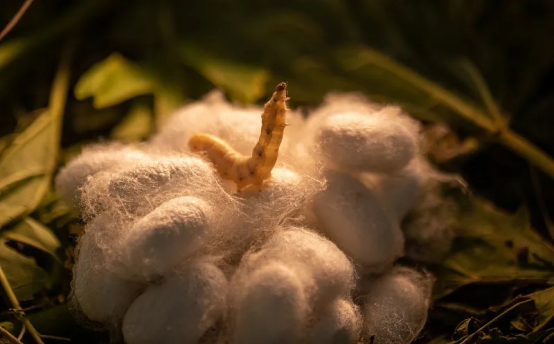
The process from mulberry leaves to silk fabric is highly intricate; a single silkworm cocoon can yield nearly 1,000 meters of silk.
Complete production process: Mulberry cultivation and silkworm rearing → Cocoon formation → Cooking of cocoons and silk reeling (soaking silkworm cocoons in hot water to extract continuous raw silk) → Silk preparation and joining → Machine weaving → Dyeing and printing → Embroidery and finishing
The jacquard loom was the core technology of silk weaving, enabling the creation of extremely complex large-scale patterns and representing the pinnacle of ancient textile technology. Producing just 1 kg of finished silk required approximately 3,000 silkworm cocoons and involved a lengthy production process; as a result, ancient silk was exceedingly precious.
Main silk product categories
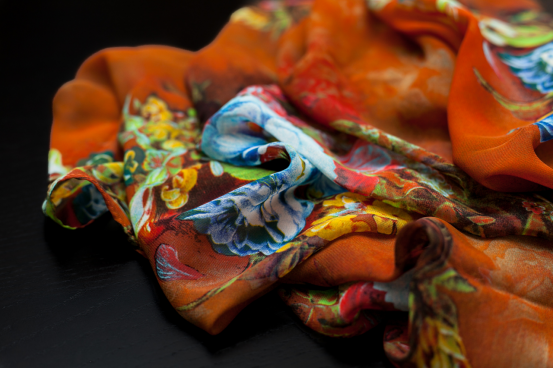
· Ling: A twill fabric – lightweight and delicate;
· Luo: Twilled fabric with a breathable mesh pattern – ideal for summer;
· Silk: A thick, plain-weave fabric widely used for everyday wear;
· Satin: A satin-weave fabric with a luxurious sheen, commonly used for formal wear;
· Jin: A variety of jacquard fabrics; "Jin" represents the highest level of ancient silk weaving craftsmanship, encompassing Yunjin, Songjin, and Shujin.
· Kesi: characterized by "continuous warp and interrupted weft," this technique allows for the reproduction of calligraphy and paintings; it is famously described as "one inch of Kesi equals one inch of gold."
III. The Cultural Significance of Silk
1. Identity and Etiquette Symbolism
In ancient times, China was known as the "Land of Opulence and Etiquette," where silk served to distinguish social hierarchies: the nobility wore embroidered garments, while commoners wore linen cloth; silk was also used in sacrificial rites, weddings, and diplomatic gifts, acting as a vehicle for its rich ceremonial culture.
2. Oriental aesthetics in patterns
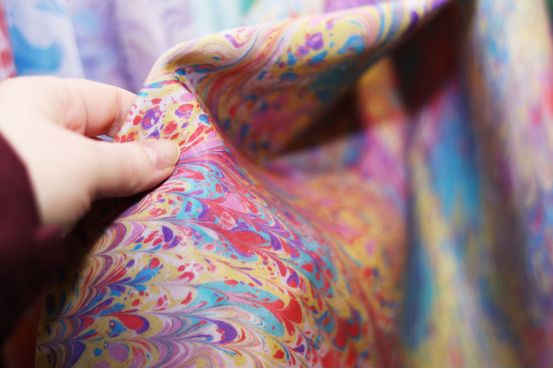
Silk patterns embody the cherished aspirations of the Chinese people: the dragon and phoenix symbolize good fortune, the peony represents wealth and nobility, and the crane signifies longevity; during the Tang Dynasty, the incorporation of foreign cultural elements—such as bead-linked motifs, winged horse designs, and hunting scenes—served as a testament to the fusion of Eastern and Western aesthetics.
3. A vehicle for cultural exchange – The Silk Road
Silk is more than just a commodity. Along the Land and Maritime Silk Roads, China's papermaking and iron-smelting technologies spread alongside silk; meanwhile, exotic species, religions, and arts were introduced to China through trade. A single silk thread connected the dialogue between Eastern and Western civilizations.
IV. Intangible Cultural Heritage Preservation and Its Contemporary Relevance
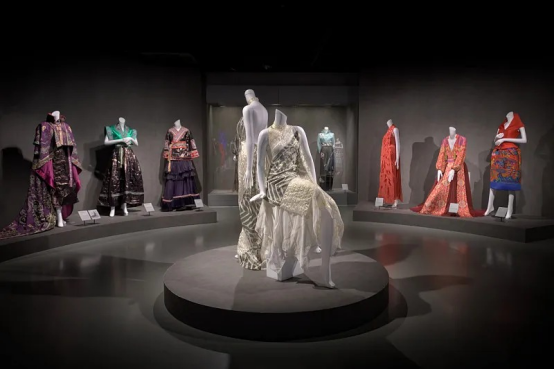
1. Intangible cultural heritage projects: Sericulture and silk weaving techniques, Nanjing Yunjin, Suzhou Songjin, Shu Brocade, Kesi, and Suzhou Embroidery are all recognized as National Intangible Cultural Heritage items; the Suzhou Silk Archives have been inscribed on the UNESCO Memory of the World Register.
2. Modern applications: haute couture, scarves, home furnishings, and national gift cultural products; the G20 Hangzhou Summit national gift scarf combines exquisite silk-weaving techniques with traditional Suzhou embroidery craftsmanship, showcasing contemporary silk aesthetics to the world.
3. Spiritual symbolism: The soft, warm texture of silk symbolizes the Chinese people's reserved, refined, and inclusive character. Over thousands of years, silk remains the most iconic representation of Chinese culture.
Summary: A strand of silk, born from mulberry fields, is woven into exquisite fabric; it represents both the wisdom of ancient laborers and a gentle bond that spans mountains and seas, connecting the world.