
 English
 French
 Spanish
 Russian
 Arabic
 Italy
Italy
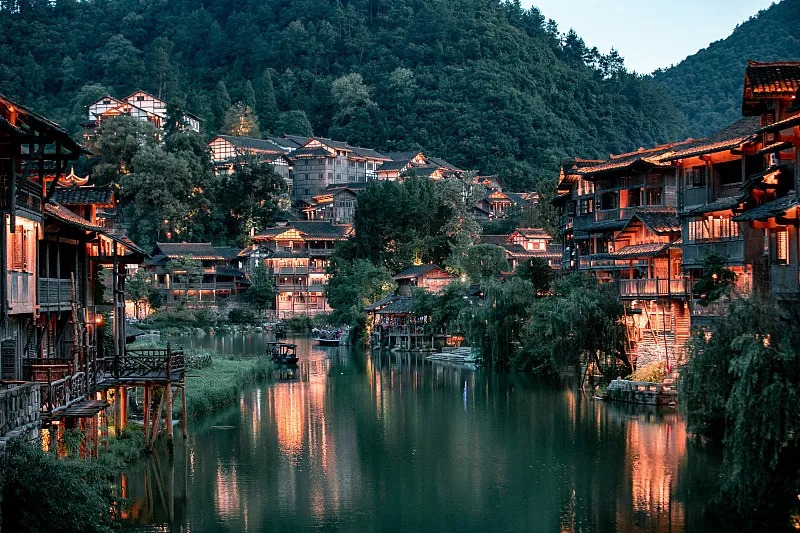
Zunyi
Guizhou Province, China · Zunyi
“City of Turning Points · Cradle of China's Finest Liquor”
Contents
I. City Overview
II. Geography & Ecology
III. History
IV. Top Attractions
V. Cultural Heritage
VI. Ethnic Culture & Folk Customs
VII. Local Cuisine
VIII. Crafts & Specialties
IX. Getting There
X. Best Season & Itineraries
XI. Economy
I. City Overview
Located in northern Guizhou at the junction of Guizhou, Sichuan, and Chongqing, Zunyi is the political, economic, and cultural hub of northern Guizhou and one of China's first nationally designated historical and cultural cities. It entered history through the Zunyi Conference held in January 1935—a turning point of the Chinese revolution—earning it the title “City of Turning Points.” It is also the home of Moutai, China's national liquor. The Chishui River winds through a landscape where Danxia landforms, bamboo seas, and tea mountains meet revolutionary and Tusi heritage. The prefecture governs 3 districts, 2 county-level cities, and 9 counties, covering about 30,800 km² with a population of over 6.6 million.
Quick Facts
Location | Northern Guizhou, at junction with Sichuan & Chongqing |
Divisions | 3 districts, 2 county-cities, 9 counties |
Area | ~30,800 km² |
Population | ~6.6 million |
Ethnic groups | Han, Gelao, Miao, Tujia |
Avg. elevation | ~900 m |
Climate | Humid subtropical monsoon |
II. Geography & Ecology
Zunyi lies on the slope where the Yunnan–Guizhou Plateau descends toward the hills of Hunan. The Dalou Mountains run from southwest to northeast, and terrain tilts from southeast to northwest. Its highest point is around Hushi–Jinsha in Chishui (~1,700 m) and its lowest Datong Town in Chishui (~221 m). The Chishui and Wujiang river systems crisscross the land, and forest coverage exceeds 60%. Chishui is celebrated as 'the crown of Danxia, the city of a thousand waterfalls, the land of bamboo, and the kingdom of tree ferns.' The humid subtropical climate brings an annual mean temperature near 15°C—mild in winter and cool in summer, pleasant all year.
III. History
The name Zunyi dates to 642 AD (16th year of Zhenguan, Tang), when Emperor Taizong established Zunyi County, taking 'to follow the way and practice righteousness' as its meaning; it has been a pivotal town in northern Guizhou ever since. From 876 AD the Yang Tusi chieftains ruled the Bozhou region hereditarily for 725 years, leaving magnificent military relics such as Hailongtun. After the 'Pacification of Bozhou' in 1600, the area was brought under direct imperial rule. In January 1935 the Chinese Workers' and Peasants' Red Army passed through Zunyi during the Long March and held the historic Zunyi Conference, establishing Mao Zedong's leadership—a turning point critical to the revolution's survival. That same year the Red Army crossed the Chishui River four times and fought the epic Battle of Loushan Pass, a miracle in military history.
IV. Top Attractions
Site of the Zunyi Conference
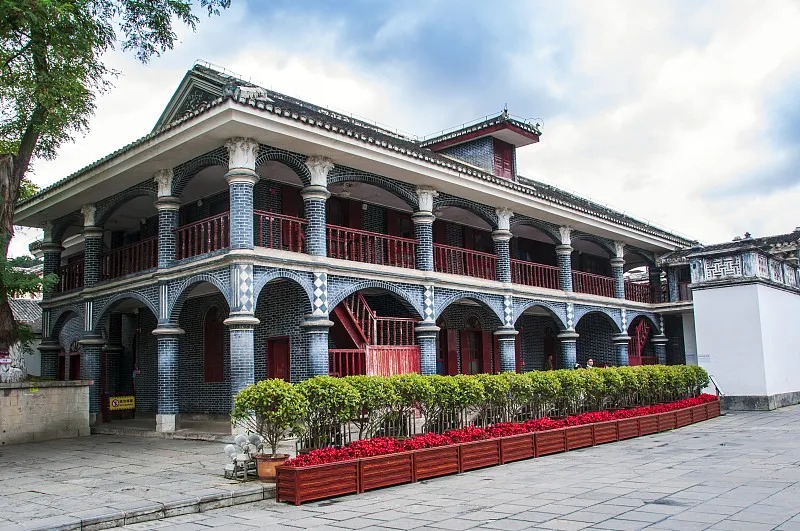
Site of the Zunyi Conference
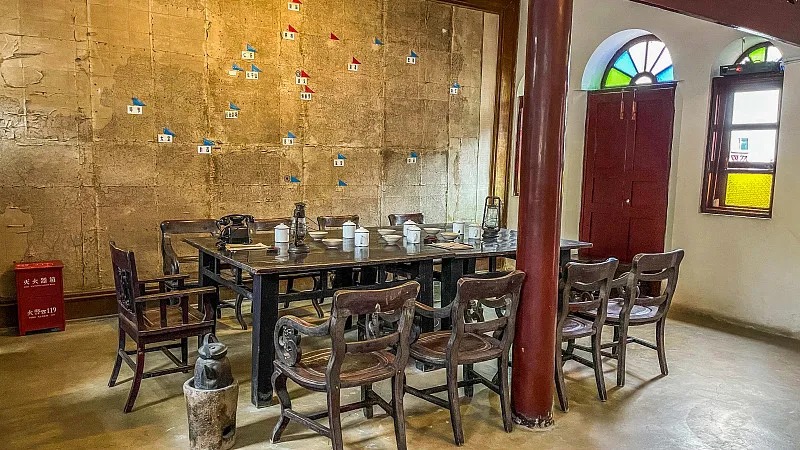
The Site of the Zunyi Conference stands on Ziyin Road in old Zunyi—a two-story brick-and-wood building blending Chinese and Western styles, originally the private residence of Guizhou warlord Bai Huizhang. From January 15–17, 1935, the Political Bureau of the CPC Central Committee held an enlarged conference here that corrected the 'Leftist' military errors and established Comrade Mao Zedong's leadership at a moment of extreme crisis, saving the Party, the Red Army, and the revolution. The site is now a Major Historical and Cultural Site under state protection, a national first-class museum, and a patriotic education base, displaying precious relics, documents, and photographs and welcoming millions of visitors each year.
Hailongtun Tusi Fortress
Hailongtun Tusi Fortress
Hailongtun sits on the eastern slope of Longyan Mountain in Huichuan District, first built in the Southern Song dynasty as the military and political stronghold of the Yang Tusi chieftains of Bozhou. Inscribed on the UNESCO World Heritage List in 2015 as part of the 'Tusi Sites of China,' it is among the best-preserved medieval mountain fortresses in China and Asia. Crowned on a ridge above 1,300 m, it has nine passes—Bronze Pillar, Iron Pillar, Flying Dragon, Flying Phoenix, Sky-Facing and more—plus the New and Old Palace ruins. Its walls, watchtowers, and halls earn it the name 'the Machu Picchu of the East' and make it a precious specimen for studying China's Tusi system and mountain defense.
Maotai Town
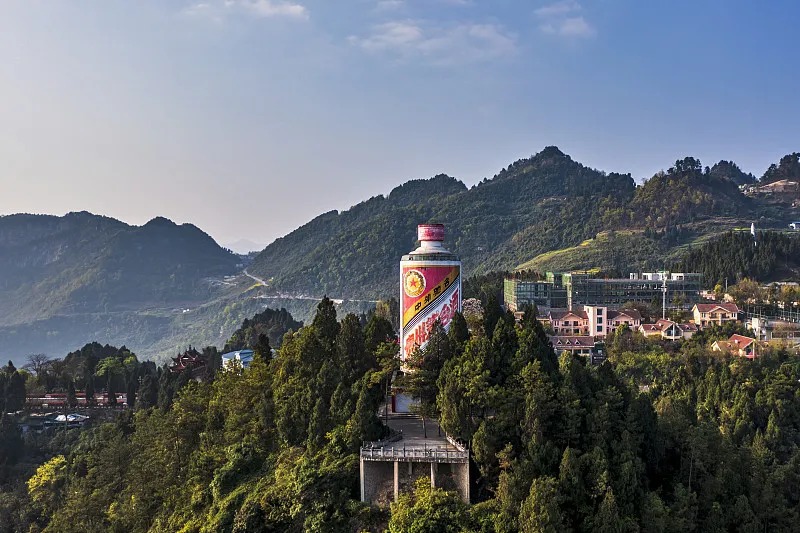
Maotai Town
Maotai Town lies on the banks of the Chishui River in Renhuai City, the core production area of China's sauce-aroma baijiu and birthplace of Moutai, honored as 'China's Liquor Capital.' Surrounded by hills and cradled by a single river, its unique micro-ecology, purple-red clay pits, and the ancient 12987 method—'making starter at the Dragon Boat Festival, fermenting at the Double Ninth Festival'—give Moutai its 'prominent sauce aroma, elegant delicacy, full body, and long finish.' The town is saturated with the aroma of fermenting grain; distilleries line the winding river and ancient streets crisscross the hills. Visitors can tour the Moutai Liquor Culture City and the Tianniang scenic area to trace a thousand-year brewing lineage.
Chishui Danxia & Bamboo Sea
Chishui City in northwestern Zunyi is a textbook example of 'young-phase Danxia' landforms, and its Chishui Danxia is part of the China Danxia UNESCO World Natural Heritage. Red Danxia cliffs meet primeval forests, waterfalls, and streams: the Foguang Rock is a 300 m-plus, 1,000 m-wide curved precipice of stunning scale; Sidonggou cascades in four tiers like silver curtains; the Chishui Bamboo Sea National Forest Park rolls in emerald waves, and the Alsophila spinulosa National Nature Reserve shelters tens of thousands of tree ferns—'living fossils' from 300 million years ago. Chishui is also where the Red Army's 'Four Crossings of the Chishui River' took place, blending revolutionary heritage with natural beauty.
V. Cultural Heritage
Zunyi possesses profound and diverse cultural heritage. Hailongtun, part of the 'Tusi Sites of China,' was inscribed as World Heritage in 2015 and represents the pinnacle of Chinese mountain military architecture; the Site of the Zunyi Conference is a Major Historical and Cultural Site under state protection and a national first-class museum. Together with the Yang Can Tomb (a Song-dynasty treasure of southwestern stone carving), the Tomb of Madame Shexiang, the former site of Zhejiang University's wartime relocation in Meitan (the 'scholarly Long March' of education during the War of Resistance), and the Moutai brewing craft (among the first national intangible cultural heritages), they form Zunyi's weighty cultural lineage from the Song dynasty to modern times.
VI. Ethnic Culture & Folk Customs
Zunyi is home to many ethnic groups. The Gelao—one of Guizhou's oldest indigenous peoples—are mainly concentrated here; their 'New Rice Festival' and 'Mountain-Worshipping Festival' retain traces of ancient agrarian worship. The Miao's Flower-Jumping Festival and lusheng dance are exuberant, while the Tujia's hand-waving dance and nuo opera are mystical and archaic. Their languages, costumes, song, dance, and cuisine interweave into a vivid tapestry of northern Guizhou, adding a warm humanistic hue to this 'City of Turning Points.'
VII. Local Cuisine
Dish | Description |
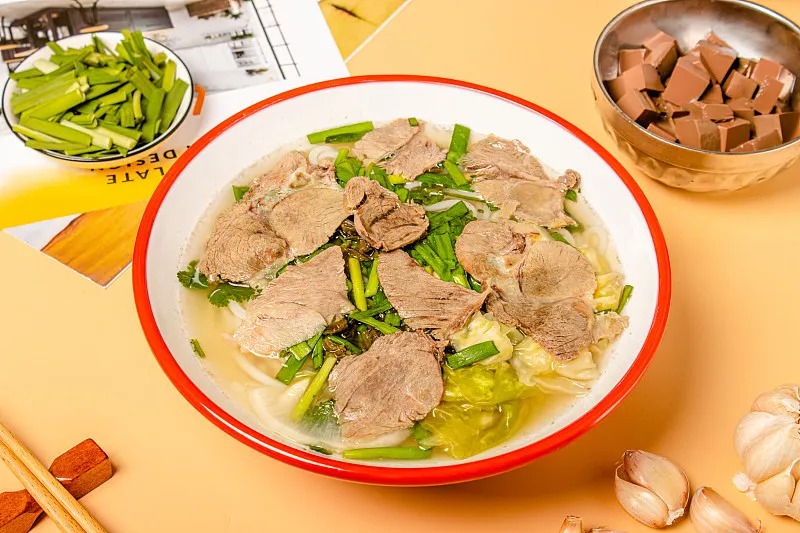
Zunyi Mutton Rice Noodles | A savory broth with tender mutton over rice noodles, seasoned with roasted chili and Sichuan pepper—a centuries-old favorite breakfast prized for its 'original broth, original flavor.' |
Douhua Noodles | Silky tofu curd over chewy noodles, topped with diced pork, crispy cracklings, and chili oil—savory, spicy, and texturally rich. |
Yaxi Cold Jelly | A refreshing, sour-and-spicy jelly made from peas or broad beans—cool, silky, perfect for summer. |
Xishui Dried Tofu Skin | A Xishui specialty—gossamer-thin, intensely aromatic dried tofu skin, served cold, hot-pot, or stir-fried. |
Zunyi Sponge Cake | A time-honored pastry, light and sweet—once a tribute good and today the city's signature souvenir. |
VIII. Crafts & Specialties
Zunyi's produce and crafts are distinctive. Moutai is the exemplar of China's sauce-aroma baijiu; its ancient brewing method was among the first national intangible cultural heritages in 2006. Northern Guizhou teas such as Meitan Cuiya, Fenggang zinc-selenium tea, and 'Zunyi Red' are famed nationwide. Zunyi chili (Xiazi chili) is known as 'spicy yet not acrid' and supplies brands like Laoganma. Other renowned specialties include Gelao oil tea, Tongzi square bamboo shoots, Chishui bamboo weaving, and Xishui dried tofu skin—the most authentic flavors of the north.
IX. Getting There
Transport: Zunyi Xinzhou Airport and Maotai Airport connect to major cities across China. The Chongqing–Guiyang high-speed railway, Sichuan–Guizhou railway, and expressways run through the prefecture. It is about 40–50 minutes by high-speed train from Guiyang to downtown Zunyi and about 1 hour to Maotai Airport; the Chishui River Valley scenic road is hailed as Guizhou's most beautiful cycling route.
X. Best Season & Itineraries
Best time to visit: Spring (March–May) brings flowers, bamboo shoots, and tea-picking; autumn (September–November) offers crisp air and colorful Danxia hues. Summer is pleasantly cool—an ideal retreat—and winter is mild with little snow, good for hot springs and red-history study trips.
Recommended itineraries:
· Red-History One-Day: Zunyi Conference Site — Red Army Martyrs' Park — Loushan Pass.
· Sauce-Aroma Liquor Two-Day: Maotai Town (Liquor Culture City, Tianniang) — Chishui River Valley scenic road — Xishui Tuzicheng ancient town.
· World-Heritage Eco Three-Day: Hailongtun — Chishui Danxia (Foguang Rock, Sidonggou) — Chishui Bamboo Sea — Alsophila spinulosa Nature Reserve.
XI. Economy
Zunyi is Guizhou's second-largest economy, with regional GDP surpassing 460 billion yuan in 2023. The sauce-aroma baijiu industry led by Moutai is the pillar of the local economy; Renhuai's Maotai Town is 'China's Liquor Capital,' and the supply chain supports hundreds of thousands of jobs. In agriculture, Zunyi is a key base for grain, oil, tea, chili, and flue-cured tobacco, with rolling tea gardens in Meitan and Fenggang. In recent years, leveraging red tourism, eco-tourism, and big data, Zunyi has pursued high-quality development, and the Chongqing–Guiyang high-speed railway has brought it within the 'two-hour economic circle' of both Chongqing and Guiyang.
Photo Credits
Site of the Zunyi Conference — CC BY-SA 4.0, Wikimedia Commons (Photographer: N509FZ)
Hailongtun Tusi Fortress — CC BY-SA 4.0, Wikimedia Commons (Photographer: Alphaarea)
Maotai Town — CC0, Wikimedia Commons (Photographer: Wahsaw)
Chishui Danxia & Bamboo Sea — CC BY-SA 4.0, Wikimedia Commons (Photographer: Kai3952)