
 English
 French
 Spanish
 Russian
 Arabic
 Italy
Italy
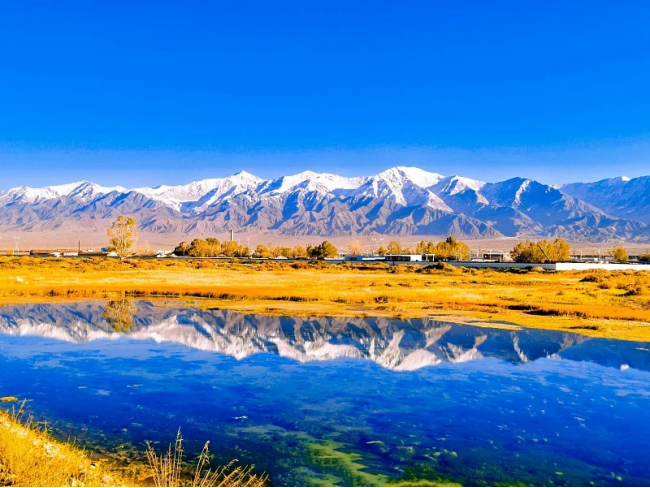
Delingha
Qinghai Province, China · Delingha
“The Golden World · A City the Poets Love”
Contents
I. City Overview
II. Geography & Ecology
III. History
IV. Top Attractions
V. Cultural Heritage
VI. Ethnic Culture & Folk Customs
VII. Local Cuisine
VIII. Crafts & Specialties
IX. Getting There
X. Best Season & Itineraries
XI. Economy
I. City Overview
Delingha is the capital of Haixi Mongol-Tibetan Autonomous Prefecture, Qinghai; its Mongolian name means 'golden world.' On the northeastern edge of the Qaidam Basin on the plateau, the Bayan River runs through the city. With a population around 100,000, it is mainly Mongol (Död Möngghöl), Tibetan, and Han. Made famous by the poet Hai Zi's line 'Sister, tonight I am in Delingha,' it is hailed as the 'City of Poets.' Around it, Hurleg and Tuosu lakes and the nearby Chaka Salt Lake ('Sky Mirror') shine together; today, with clean energy and livability, it is a 'city of the future' in the gobi.
Quick Facts
Location | Haixi, Qinghai; NE edge of Qaidam Basin |
Divisions | 3 subdistricts, 3 towns, 1 township |
Area | ~27,700 km² (incl. vast lands) |
Population | ~100,000 |
Ethnic groups | Mongol (Död), Tibetan, Han |
Avg. elevation | ~2,980 m |
Climate | Alpine desert |
II. Geography & Ecology
Delingha lies between the Qaidam edge and spurs of the Qilian range; the Bayan River nurtures an oasis from north to south—'a Jiangnan within the sea of sand.' The suburban Hurleg is a freshwater lake with rustling reeds; its connected sibling Tuosu is saline, its shore bearing the mysterious 'Alien Ruins' stone columns. Ringed by mountains and gobi, and only about 100 km from the famed Chaka Salt Lake, salt lakes, waters, and desert form a unique highland tableau.
III. History
Delingha has long been Mongol pasture and a key home of the Död Möngghöl (Oirat Mongol). With the Qinghai–Tibet Highway and Railway, the herding post grew into the prefectural capital. In 1988 the poet Hai Zi passed through and wrote 'Diary,' bringing this gobi town into countless literary memories. In the new century, with clean energy and ecological restoration, Delingha is planned as a highland 'solar-thermal city' and 'city of the future.'
IV. Top Attractions
Hurleg Lake
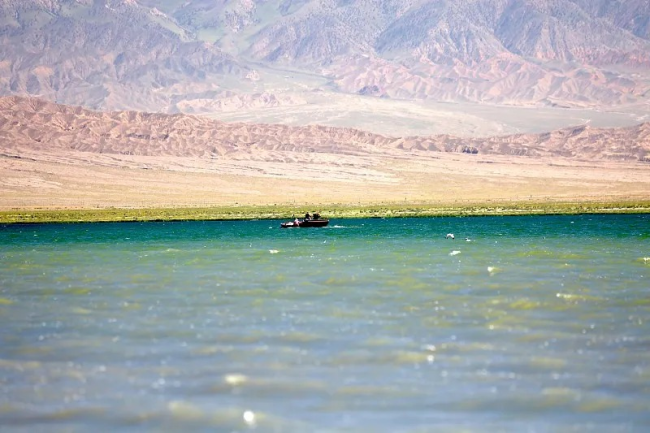
Hurleg Lake
Hurleg is a freshwater lake near Delingha, its Mongolian name meaning 'a place of lush water and grass.' Reeds sway and waterbirds flock; with the saline Tuosu it forms a fresh-saline sister pair. Boardwalks invite strolling and rest—ideal for birding, photography, and wetland closeness, the 'emerald eye of Qaidam.'
Tuosu Lake
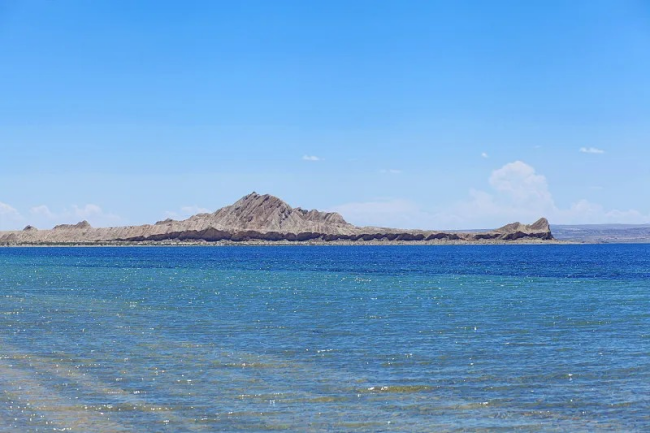
Tuosu Lake
Tuosu is the saline sister of Hurleg—deep blue, its shores desolate, a stark contrast to the reedy freshwater lake. Wind-eroded basalt columns line the shore; dubbed 'Alien Ruins' for their uncanny shape, they add mystery and draw science and adventure seekers alike.
Baishu (Cypress) Mountain
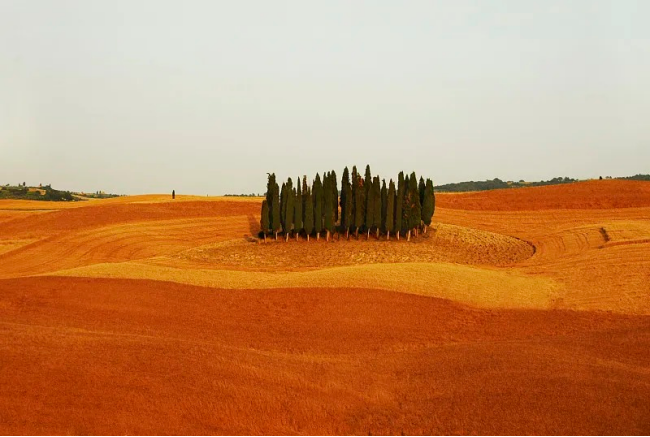
Baishu (Cypress) Mountain
Baishu Mountain north of Delingha is named for its stands of pristine Qinghai spruce and juniper—a rare forest scene in Qaidam. Verdant slopes and murmuring streams overlook the oasis and distant gobi. With crisp air and high negative ions, it is the townsfolk's 'back-garden' for summer, hiking, and forest wellness.
Delingha City & Bayan River
Delingha City & Bayan River
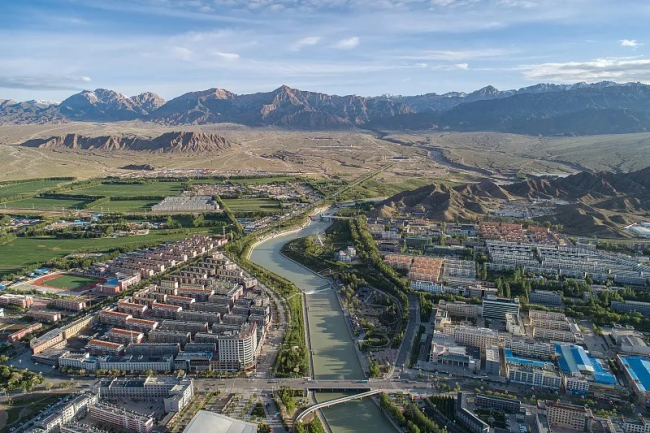
Delingha's city unfolds along the Bayan River; at night its lit banks mirror the mountains—'a night pearl in the gobi.' The Hai Zi Poetry Museum holds the poet's manuscripts and images, recording the literary moment 'tonight I am in Delingha.' Riverside greenways and parks weave the highland town's tenderness and poetry.
Bayan River Wetland
Bayan River Wetland
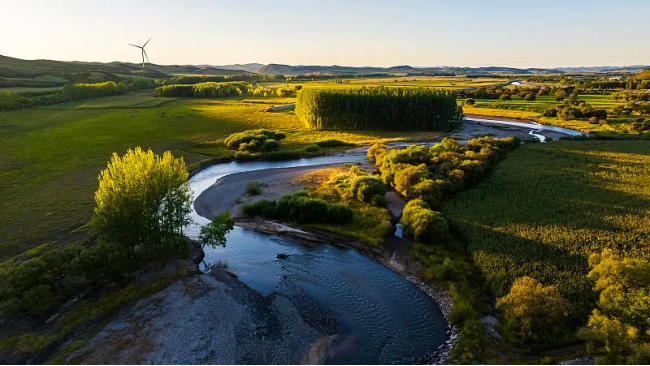
The Bayan is Delingha's mother river; its midstream wetland—lush and bird-thronged—is a rare life corridor in the desert. In spring-summer green willows shade the banks and waterfowl play; in autumn-winter reeds turn snow-white and vast. Years of restoration have made the Bayan the city's ecological emblem and a core waterfront leisure belt.
V. Cultural Heritage
Delingha's culture centers on two cores: the Död Möngghöl nomadic civilization and the poetic memory of Hai Zi. Oirat Mongol epics, long-song, and Nadam endure; the Hai Zi Museum eternally links modern Chinese poetry with the highland gobi; Oboo shrines and mani stones by the Bayan carry Mongol and Tibetan reverence for the land. This city fuses steppe vastness with the tenderness of verse.
VI. Ethnic Culture & Folk Customs
Delingha is shared by Mongols (Död), Tibetans, and Han. Mongolian Nadam, Oboo worship, and Tsagaan Sar (White Month) are fervent and solemn; Tibetan Shoton and lake-circumambulation intertwine with Han festivals. On the steppe milk tea steams and the horse-head fiddle sings; at festivals long-song and guozhuang rise together—a multi-ethnic highland flavor.
VII. Local Cuisine
Dish | Description |
Mongolian Hand Meat | A Död Möngghöl classic—bone-in mutton boiled plain, dipped in salt or pickled flowers, pure and savory. |
Mongolian Milk Tea | Brick tea boiled with fresh milk and a pinch of salt—savory, warming, the daily steppe drink. |
Camel Milk & Dairy | Milk from gobi Bactrian camels made into yogurt and skin—distinctive, nutritious dairy. |
Barley Wine & Liangpi | Mildly sour highland barley wine for guests; chewy, tangy liangpi as a street snack. |
Whole Roast Lamb | The star of festival feasts—crisp outside, tender within, often served with a toast song. |
VIII. Crafts & Specialties
Delingha's crafts are shaped by Mongol and Tibetan tradition. Död Möngghöl silver, horse gear, and ornate costumes carry auspicious motifs; Mongol embroidery, felt art, Tibetan carpets, and thangkas shine together; salt carvings and gobi-stone art are emerging souvenirs. Clean energy and solar-thermal industry also make 'photovoltaic modules' a new industrial emblem of this future city.
IX. Getting There
Transport: Delingha Airport links to Xining and Lanzhou; the Qinghai–Tibet Railway's Delingha Station is a key node on the Tibet route; National Highways G315 and G109 meet here. About 3 hours by train from Xining, then by road to Hurleg, Tuosu, and Chaka. The lakes are mostly same-day trips—convenient to reach.
X. Best Season & Itineraries
Best time to visit: Best season is June to September. The Bayan runs full, lakes brim, meadows turn green—prime for birding and summer escape; Chaka's 'Sky Mirror' is most stunning on clear days. Winter is cold and dry yet offers gobi snowscapes and silent night skies.
Recommended itineraries:
· Twin Lakes Day: Hurleg — Tuosu (Alien Ruins) — Bayan River night view.
· Sky Mirror Half-Day: Delingha — Chaka Salt Lake (≈100 km) round trip.
· Poetic Wellness 2-Day: Hai Zi Museum — Baishu Mountain — Bayan Wetland.
XI. Economy
Delingha is transforming from a herding town into a highland 'clean-energy city.' Vast gobi arrays of PV, solar-thermal, and wind make it a national new-energy demonstration zone; salt chemicals, new materials, and highland agriculture coexist. Riding on ecology and poetry, all-region tourism and wellness study tours are rising—a livable, workable 'golden world' in Qaidam.