
 English
 French
 Spanish
 Russian
 Arabic
 Italy
Italy
City Profile: Weinan, historically known as Dongfu, is situated in the eastern part of the Guanzhong Plain in Shaanxi Province. It serves as the eastern gateway to Shaanxi, adjacent to Xi'an and accessible by high-speed rail within an hour. Nestled between the Qinling Mountains to the south and the Yellow River to the north, the city features a unique landscape formed by the confluence of the Yellow River, Wei River, and Luo River. Since ancient times, it has been revered as the cradle of Chinese civilization and a blessed land for the Three Qins region. Weinan combines majestic mountain scenery with a profound cultural heritage spanning millennia and the vibrant character typical of the Guanzhong area; its landscapes, historic architecture, intangible cultural heritage, and cuisine blend harmoniously into a distinctive cultural tourism destination renowned for its grandeur, rich cultural depth, and warm local charm.
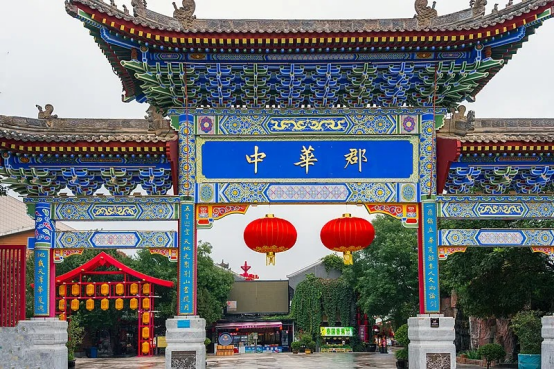
I. Core Tourist Attractions
Weinan boasts unparalleled cultural and tourism resources, where natural wonders and historical sites complement each other beautifully, encompassing renowned mountains, Yellow River wetlands, ancient cities and villages, as well as imperial mausoleums.
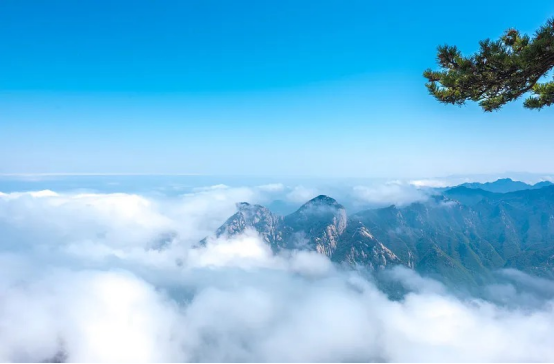
1. West Mount Hua, one of China's Five Great Mountains, is renowned as "the most spectacular and perilous mountain in the world" and serves as the flagship scenic area of Weinan. Its five towering peaks feature dramatic terrain, while its skywalks and suspension bridges are world-famous. The area is perpetually enveloped by clouds, offering distinct landscapes throughout the four seasons: spring brings vibrant wildflowers across the slopes, summer provides refreshing retreats from the heat, autumn features forests painted in vibrant colors, and winter showcases snowscapes and rime formations, making it a premier destination for mountain tourism, hiking, and aerial photography in China.
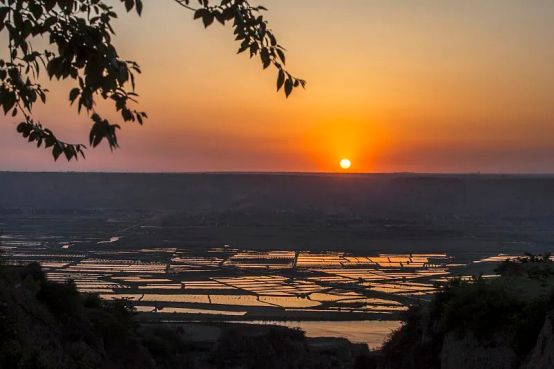
2. Qiaochuan Wetland: A rare wetland sanctuary along the Yellow River in China, and the birthplace of the opening lines from The Book of Songs— "Guan guan jujiu, zai he zhizhou." Vast reed beds sway gently in the breeze, with crystal-clear springs and flocks of migratory birds, blending the majestic character of the northern Yellow River with the delicate charm of Jiangnan. Rich in pristine ecology, it is ideal for leisurely exploration and natural photography.
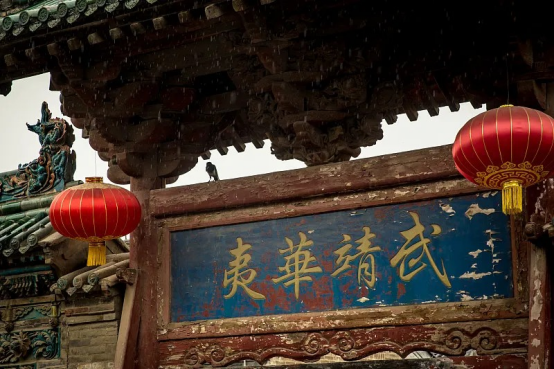
3. Hancheng Ancient City & Dangjia Village: A well-preserved cluster of Northern Ming and Qing dynasty architecture, far removed from commercial hustle and bustle. The ancient city features orderly streets lined with blue bricks and black tiles, retaining its authentic charm; while the Dangjia Village's quadrangle courtyards are meticulously arranged, showcasing exquisite wood and brick carvings—a perfect destination to appreciate the cultural heritage of Northern ancient villages and experience their centuries-old urban life.
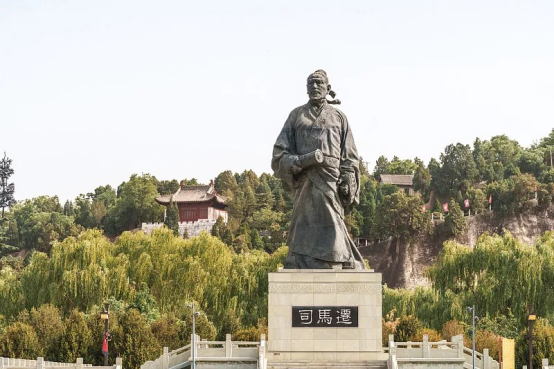
4. The Sima Qian Temple: Established in honor of the eminent historian Sima Qian, this temple complex is nestled against mountains and beside a river, offering panoramic views of the mighty Yellow River. Its architecture exudes simplicity and solemnity, embodying a profound cultural heritage, making it a sacred site for exploring the origins of the *Records of the Grand Historian* and appreciating the depth of Chinese historiography.
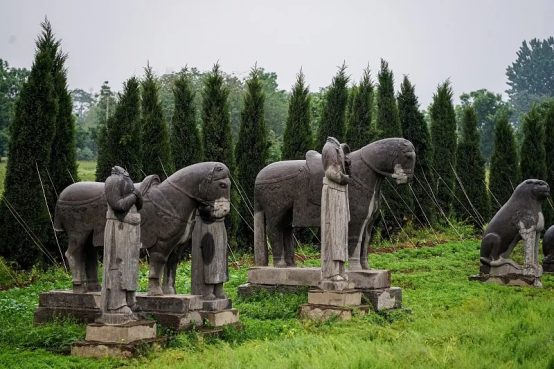
5. The Tang Imperial Mausoleum Complex: Weinan serves as the central hub for imperial tombs from the High Tang period. The stone inscriptions at sites such as Qiaoling are exceptionally well-preserved, featuring grand scale and meticulous design that vividly reflect the splendor of the Tang Dynasty. It stands as a distinctive destination for specialized cultural studies and immersive experiences of Tang-era culture.
II. Regional Cultural Characteristics
Weinan is renowned as the birthplace of Chinese opera and folk culture, boasting a cultural heritage spanning thousands of years, abundant intangible cultural heritage resources, and profound folk traditions.
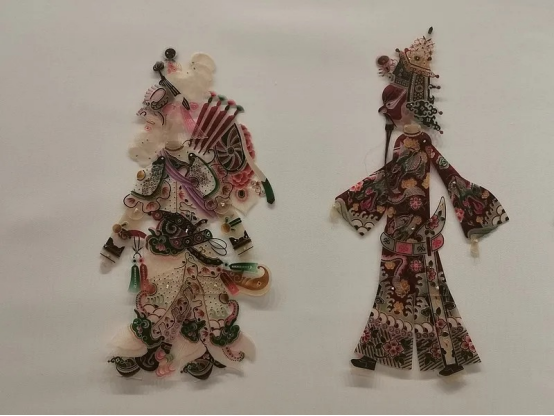
Intangible Cultural Heritage: It boasts numerous national-level intangible cultural heritages. Among these, Huazhou shadow puppetry has been practiced for over two millennia and is hailed as the "father of world cinema," telling stories spanning a millennium through the interplay of light and shadow; Huayin Laqiang features a rugged, high-pitched, and majestic yet melancholic quality, representing the most distinctive folk singing style of northern China. Additionally, folk arts such as Guanzhong dough flower carving, traditional pottery craftsmanship, Qin opera, and Wanwanqiang have been passed down through generations, vividly showcasing the unique cultural charm of the Guanzhong region.
Cultural Heritage: This region has been a cradle of outstanding talents since ancient times, serving as the birthplace of historical luminaries such as Bai Juyi, Sima Qian, and Kou Zhun. It boasts a profound legacy in historiography, poetry, and the culture of eminent officials, embodying both scholarly elegance and a strong sense of national identity—a truly vibrant cultural atmosphere.
III. Unique and Traditional Local Cuisine
Weinan cuisine draws on the distinctive flavors of the Guanzhong region, featuring a focus on pasta dishes and rich, authentic local flavors. Free from excessive commercialization, it preserves its genuine, original taste profile—each ingredient embodying the unique culinary essence of Dongfu.
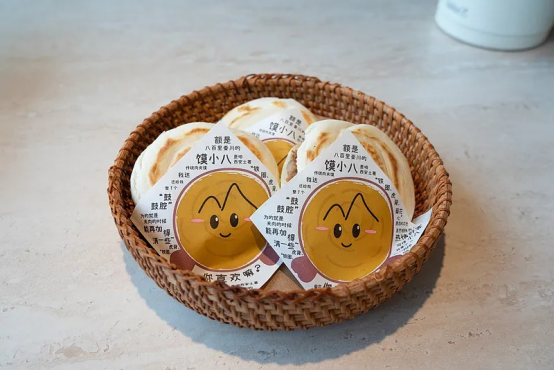
Tongguan Roujiamo: A nationally renowned specialty dish featuring a multi-layered crispy pastry crust that crumbles into flakes on the outside and remains tender inside, filled with richly seasoned braised meat that balances fat and lean meat for a savory yet non-greasy flavor.
Pucheng Shuiben Mutton: A classic Guanzhong dish featuring a clear broth and tender meat, served with crescent-shaped baked flatbread and sweet garlic—a refreshing and satisfying combination suitable for all ages.
Special Noodles: Heyang Guanmian is a distinctive intangible cultural heritage noodle dish, characterized by its chewy texture and spicy-sour flavor that stimulates the appetite; Hancheng Lamb Heluo features a rich and aromatic broth; Weinan Shichen Baozi is freshly steamed and sold on demand, with thin skin and abundant filling, making it a classic local breakfast.
Key features of the banquet: Dali-style pork knuckle with a firm yet tender texture, rich in fat without being greasy; the diverse and meticulously prepared dishes from the Nine Grades and Thirteen Flowers menu represent the pinnacle of high-end dining in Guanzhong region, fully showcasing Weinan's culinary heritage.
IV. Summary of Urban Cultural and Tourism Characteristics
Every mountain and stream in Weinan embodies unique character, while every dish and local custom reflects the warmth of everyday life. The city boasts the majestic grandeur of Mount Hua and the surging power of the Yellow River, along with the serene charm of its ancient city, the millennia-old heritage of intangible cultural traditions, and authentic, rich Guanzhong cuisine. Compared to popular tourist destinations, most of Weinan's attractions are tranquil and less crowded, offering visitors an immersive experience of natural beauty, cultural richness, and vibrant local life. It stands as a premier cultural tourism destination that combines sightseeing, hiking, cultural exploration, intangible cultural heritage experiences, and culinary adventures.