
 English
 French
 Spanish
 Russian
 Arabic
 Italy
Italy
Baoji was historically known as Chencang or Yongcheng; situated in the western part of the Guanzhong Plain, it is a renowned cultural city with a history spanning over 3,000 years. It enjoys numerous prestigious titles, including "Hometown of Emperor Yan," "Home of Bronze Ware," "Birthplace of Zhou and Qin Cultures," and "Sacred Land of Buddhist Bones." This city serves as the core cradle of both the Chinese agrarian civilization and the ritual and musical civilization of the Zhou and Qin dynasties; it combines a profound historical heritage with the picturesque landscapes of the Qinling Mountains, while also standing as a celebrated hub of Xifu's distinctive culinary culture.

I. Introduction to the Main Attractions
(1) Cultural and Historical Attractions
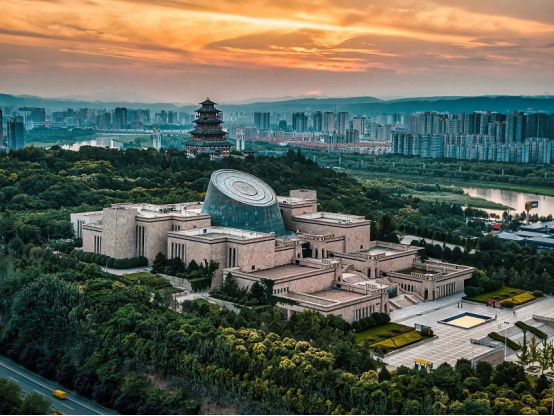
1. Baoji Bronze Ware Museum (Zhonghua Shigu Garden)
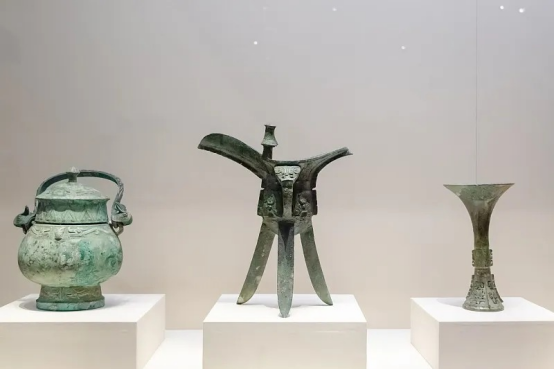
As the largest and highest-rated specialized museum dedicated to bronze artifacts in China, it serves as a cultural landmark of Baoji. The museum houses an extensive collection of precious bronze artifacts from the Shang and Zhou dynasties, among which the He Zun—its most renowned treasure—is particularly famous; its inscribed text "Zhai Zi Zhongguo" represents the earliest written record of the term "China" to date, holding profound significance. Additionally, other artifacts in the collection, such as the Dian Pan and the Qin Gong Bo, fully attest to the ritual and musical system of the Zhou dynasty and the historical trajectory of the rise of the Qin state, comprehensively showcasing the brilliant bronze civilization of the Zhou and Qin periods. The museum is complemented by the beautiful Zhonghua Shigu Garden, where the central architectural feature, the Shigu Pavilion, boasts majestic grandeur; from this vantage point, visitors can overlook the urban landscape along both banks of the Wei River. The scenic area is free to enter, making it a must-visit destination for experiencing Baoji's millennia-old cultural heritage.
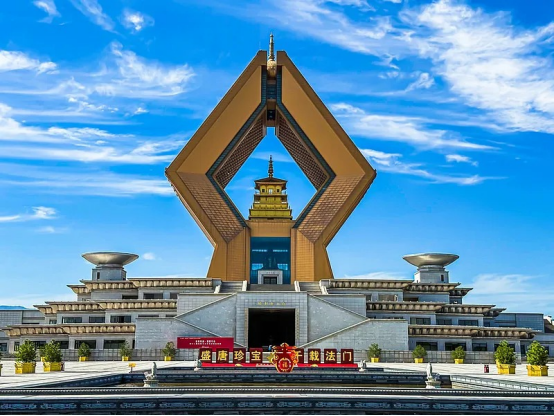
2. Famen Cultural Scenic Area (a 5A-level tourist attraction)
Revered as the "Ancestral Site of Pagodas and Temples in Guanzhong," it is the world's sole Buddhist sanctuary housing the finger bone relic of Sakyamuni Buddha, renowned domestically and internationally. The 1987 excavation of the Famen Temple underground palace yielded thousands of unparalleled Tang Dynasty treasures, including celadon ware, gilded tea sets, and eight-layered reliquary boxes, vividly showcasing the grandeur of the Tang imperial court and its exquisite craftsmanship. The relic pagoda within the complex stands solemn and majestic; on the first and fifteenth days of each lunar month as well as major holidays, visitors can pay homage to this precious relic and immerse themselves in the profound Buddhist culture and tradition of blessings from the prosperous Tang era, making it a cultural tourism destination that integrates history, religion, and art.
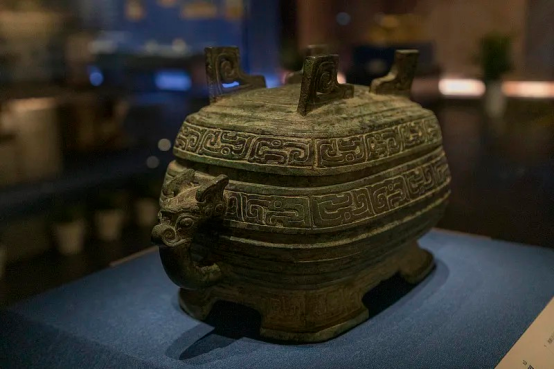
3. Zhouyuan Cultural Scenic Area
This site is the ruins of the capital city of the Western Zhou Dynasty and the birthplace where the Duke of Zhou established rites and music, giving rise to the Huaxia ritual and musical civilization. The scenic area faithfully reconstructs the architectural layout of Zhou Dynasty ancestral temples, cities, and palaces. The adjacent Zhouyuan Museum houses precious artifacts including Western Zhou chariot pits, oracle bone inscriptions, and bronze ritual vessels, providing a vivid portrayal of the social landscape and ritual culture of the Western Zhou period. Visitors can engage in immersive experiences of Zhou ritual culture, watch traditional ritual music performances, and explore the historical roots of the Zhou Dynasty's prosperity, making it a premier destination for Zhou cultural studies.
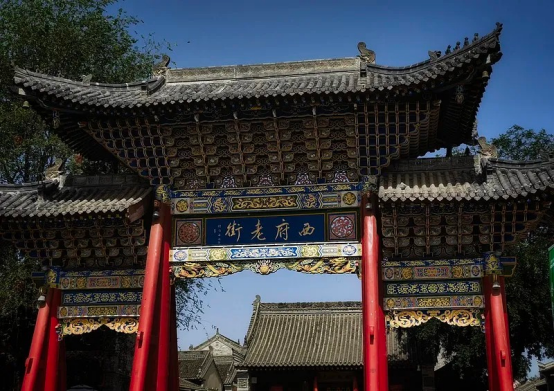
4. Xifu Old Street
The Baoji Representative Folk Culture Tourism District is situated on the northern slope of the plain, featuring architecture that blends rustic charm with elegant sophistication. The district showcases Baoji's intangible cultural heritage and traditional folk customs through regular folk performances, while also offering a variety of local specialty snacks and handicrafts. With its vibrant night scenery and authentic local atmosphere, this area serves as an ideal one-stop destination for experiencing Baoji's folk traditions and exploring its distinctive culinary delights.
(2) Natural Ecological Scenic Areas
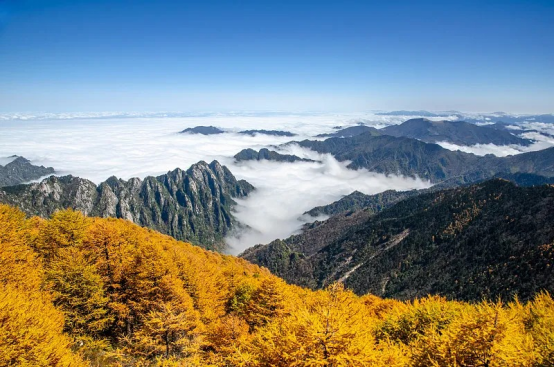
1. Taibai Mountain National Forest Park (a 5A-level scenic area)
The main peak of the Qinling Mountains, the highest point on the Chinese mainland east of the Qinghai-Tibet Plateau with an altitude of 3,771.2 meters, serves as the iconic landmark of Baoji's natural scenery. The scenic area features a complete vertical climatic zone in mountainous regions, creating a unique landscape described as "four seasons on one mountain, different weather every ten miles." It preserves precious relics of Quaternary glaciers, where high-altitude lakes, cloud seas, snowfields, and primeval forests complement each other, presenting magnificent and picturesque natural vistas. Recognized as a renowned natural summer resort in Northwest China, it offers refreshing summers, with natural hot springs at its foothills, combining multiple functions such as hiking, sightseeing, wellness retreats, and summer vacations, making it suitable for visits throughout all four seasons.
2. Guanshan Grassland
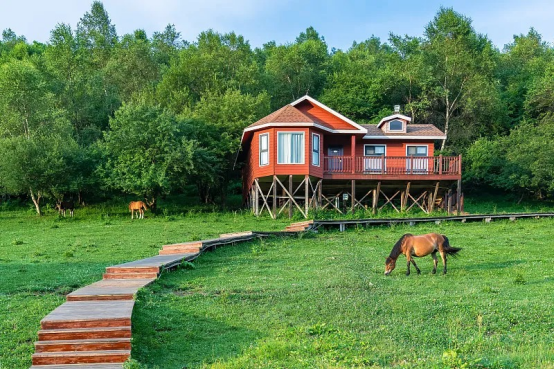
This is a rare natural alpine meadow scenic area in the northwestern inland region, renowned as the "Little Switzerland of Shaanxi." The terrain is gentle and expansive, featuring vast meadows that stretch continuously across thousands of acres, where forests, streams, and grasslands create a picturesque landscape. Cattle and sheep are abundant throughout the mountains, offering fresh and rejuvenating natural scenery. Visitors can enjoy unique activities such as horseback riding, camping on the grasslands, and stargazing. From June to September each year, the area boasts lush vegetation and breathtaking views, making it an ideal destination for family outings, self-driving trips, and landscape photography.
3. Huangbaiyuan
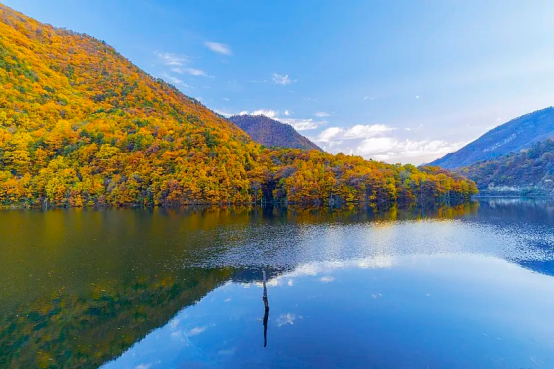
Nestled deep within the Qinling Mountains, this pristine sanctuary lies far from urban hustle and bustle, featuring dense primeval forests, crystal-clear streams and pools, and an exceptional ecological environment. The scenic area showcases diverse natural landscapes throughout the seasons; in autumn, the mountains are adorned with vibrant red leaves that create a breathtaking atmosphere, making it a hidden gem for hiking enthusiasts seeking oxygen-rich breathing experiences and immersive connection with nature.
II. Urban Culture
Baoji serves as the cradle of the Zhou and Qin civilizations, where the farming culture of Emperor Yan, the bronze culture of the Zhou and Qin dynasties, and the Buddhist culture of the High Tang period converge and coexist. The region boasts a profound heritage of intangible cultural traditions; traditional crafts such as Xifu Shehuo, Fengxiang clay sculpture, Ma Shao facial masks, and Xifu Qinqiang opera have been passed down for millennia, preserving the rich legacy of the Zhou rituals. Additionally, Zhang Zai, a philosopher of the Northern Song Dynasty, founded the Guan School here, and the enduring Neo-Confucian philosophy that has persisted through the ages has endowed Baoji with a deep-rooted humanistic spirit.
III. Local Specialty Dishes
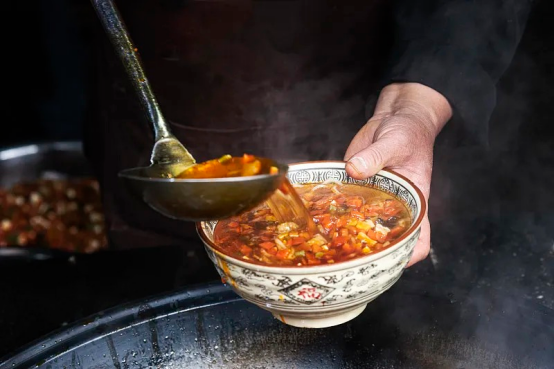
The culinary offerings of Baoji represent a distinctive Xifu-style cuisine, centered around sour, spicy, fresh, and aromatic flavors, and are renowned throughout China for their flour-based food culture. Signature dishes include Qishan Saozi Noodles, Baoji Xianmianpi, Fengxiang Douchua Paomo, and Fufeng Yikouxiang; these are often paired with local specialty snacks such as Qishan Guoqu, Fengxiang cured donkey meat, Jiaotuan, and Yuyu. With their authentic taste and unique flavor profiles, these dishes serve as a vital representation of the Guanzhong regional culinary heritage and stand as Baoji's most vibrant urban hallmark.
IV. Urban Summary
In summary, Baoji is a treasure city that combines profound cultural heritage with picturesque natural scenery. As the birthplace of Zhou and Qin civilizations, it embodies China's millennia-old traditions of ritual music and bronze culture; its status as a sacred site for Buddhist relics and rich intangible cultural heritage endows the city with a unique cultural identity. Moreover, blessed with exceptional natural landscapes such as Taibai Mountain and Guanshan Grassland, it offers distinct seasonal beauty, making it ideal for both residence and tourism. Its rich history is vibrant rather than dull, its wilderness scenery striking rather than ordinary, and its authentic Xifu cuisine adds distinctive charm. Thus, Baoji possesses both the cultural depth of a millennium-old capital and the warm, welcoming atmosphere of a leisurely small town, establishing itself as a distinctive cultural and tourist destination in Shaanxi worthy of an immersive experience.