
 English
 French
 Spanish
 Russian
 Arabic
 Italy
Italy
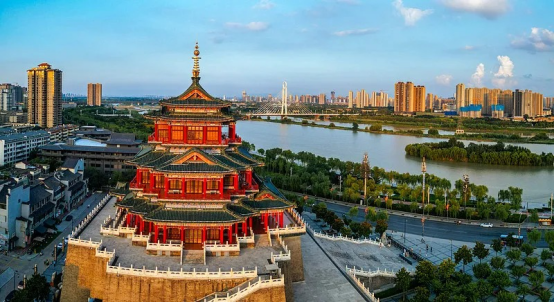
Xianyang, a prefecture-level city in Shaanxi Province, is located in the heart of the Guanzhong Plain and serves as the geographical origin point of China. In 350 BCE, Duke Xiao of Qin moved the capital here. Due to its location north of the Wei River and south of the Jiuzong Mountains, with both mountains and waters facing the sunward direction, it was named "Xianyang" and has long been renowned as the first imperial capital of China. It served as the capital of the Qin Dynasty, the first stop on the ancient Silk Road, and a key administrative center during the Han and Tang dynasties. The Xianyang Plateau is dotted with continuous imperial mausoleums, where 27 tombs of emperors from various dynasties are situated, earning it the title "Capital of Eastern Pyramids." Here, the morning rain of Weicheng, the historical upheavals of the Qin and Han dynasties, and the imperial tombs of the prosperous Tang Dynasty converge, blending profound history with the vibrant life of the Guanzhong region.
I. Regional Culture
Xianyang is a cultural ancient capital that embodies millennia of civilization spanning the Zhou, Qin, Han, and Tang dynasties. As the capital of the Qin Dynasty and a strategic hub in the imperial capital during the Han and Tang periods, it witnessed numerous pivotal historical events, including Shang Yang's Reforms and the establishment of the capital for national unification; it preserves countless imperial mausoleums and historical sites. The timeless verse by Wang Wei— "Morning rain over Weicheng moistens the light dust" —has ensured that the reputation of Weicheng has endured for thousands of years. Meanwhile, the region boasts a profound heritage of folk culture and intangible cultural traditions, featuring diverse cultural expressions such as the Jingyang Fuzhuan Tea crafting technique (a UNESCO-recognized Intangible Cultural Heritage), the Xunyi Colorful Paper-cutting art (another national-level Intangible Cultural Heritage), and the Xianbanqiang style of local opera. Classic legends, such as the story of the "Dragon's Son-in-law" and Shang Yang's "Tree-Standing" episode, have been passed down through generations. Folk villages like Yuanjia Village have preserved the authentic Guanzhong rural culture intact, embodying a rich Qin-era aesthetic and Tang-era charm, along with a deep and enduring cultural legacy.
II. Recommended Core Attractions
City Attractions
1. Xianyang Museum
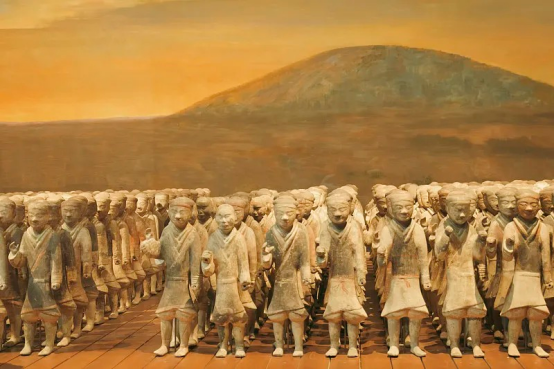
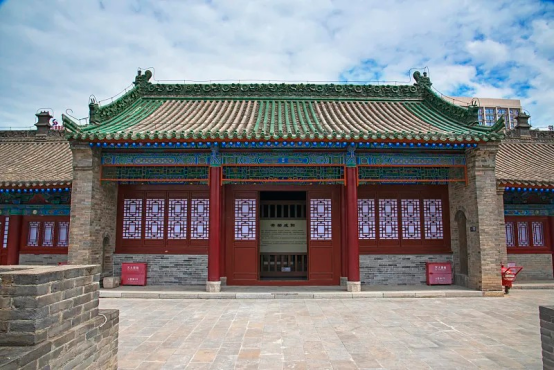
A cultural landmark of Xianyang, it draws inspiration from the ancient architecture of the Confucius Temple from the Ming and Qing dynasties. Its crown jewel is the Western Han Dynasty painted Terracotta Army figures, predating those of the Qin Dynasty; the collection also includes replicas of imperial seals and a vast array of bronze artifacts from the Qin and Han periods, while its red-walled historic buildings are particularly striking. The site is located adjacent to Xianyang's Old Street.
2. Ancient Ferry Covered Bridge & Xianyang Lake Scenic Area
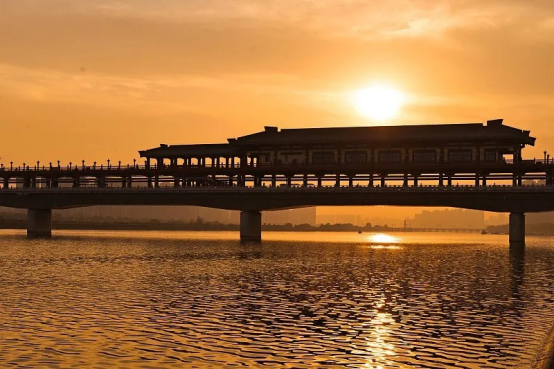
China's first two-story landscape bridge designed in the Qin Dynasty style stands as a hallmark of Xianyang. Strolling along the Wei River at dusk, visitors can admire the sunset and nighttime lighting, evoking the poetic charm of ancient ferry crossings along the river. The colossal sculpture of Emperor Qin Shi Huang at Unity Square is situated by the lakeside.
3. Fenghuang Terrace
One of the Four Great Venues in the Guanzhong region; the birthplace of the legendary tale of "Nongyu playing the xiao and attracting the phoenix to settle"; and the highest vantage point of the old city.
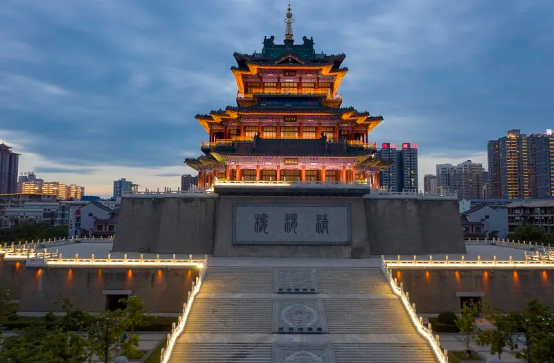
4. Qingwei Tower
Revered as the foremost tower in Northwest China, it is the birthplace of the classical verse "When mountain rain approaches, the wind fills the tower," and now serves as an art museum.
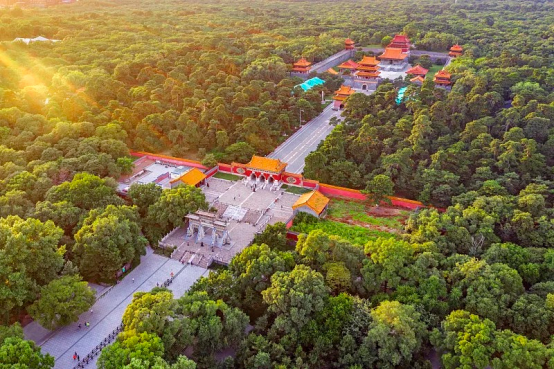
The Imperial Tombs of the Qin, Han, and Tang Dynasties
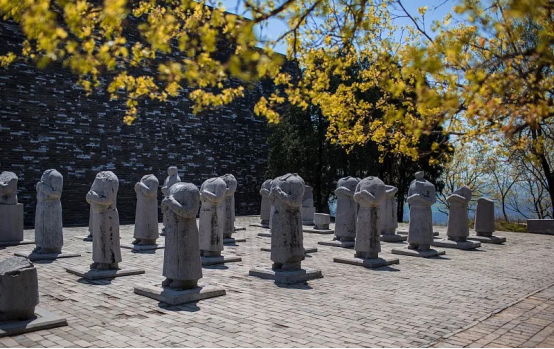
1. Qianling Mausoleum (5A-rated, Qian County)
The Mausoleum of Emperor Gaozong of Tang, Li Zhi, and Empress Wu Zetian—the only couple among Tang emperors to be buried together—represents the best-preserved mausoleum among the 18 Tang Dynasty mausoleums. The iconic landmarks here include the "Wordless Stele" and the stone statues of sixty-one foreign envoys. The mountain itself forms the mausoleum, boasting a majestic and imposing presence; visitors can also explore the Mausoleum of Princess Yongtai and the Mausoleum of Crown Prince Zhanghuai along the route, as well as admire exquisite Tang Dynasty mural artworks.
2. Maoling (4A-level scenic area, located in Xingping County)
The mausoleum of Emperor Wu of Han (Liu Che) is the largest imperial tomb from the Western Han Dynasty. The tomb of Huo Qubing features a gemstone carving depicting a horse trampling a Xiongnu warrior, representing the pinnacle of stone carving art during the Han period.
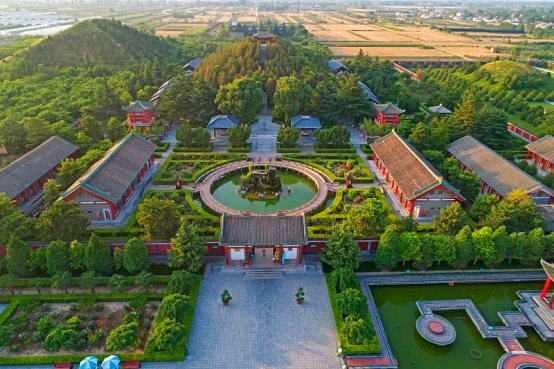
3. Hanyangling National Archaeological Site Park (4A)
The mausoleum of Emperor Jing of Han, Liu Qi. It features a distinctive underground glass exhibition hall, with burial pits containing pottery figurines from the Han Dynasty located right beneath it; the site is quiet and peaceful due to its low visitor traffic. The ginkgo forest in autumn is renowned throughout Shaanxi Province.
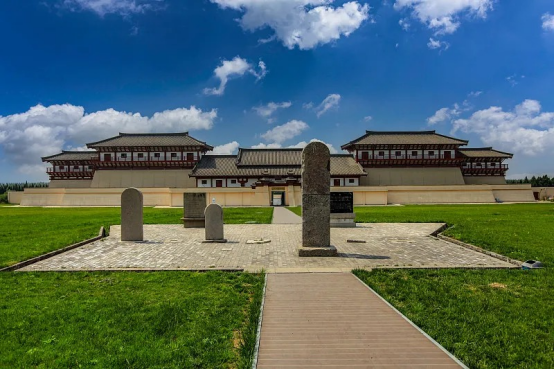
4. Zhaoling Mausoleum (Liquan)
The mausoleum of Emperor Taizong of the Tang Dynasty, Li Shimin, is world-renowned for its six stone carvings depicting horses from the Zhaoling Mausoleum. Built against a mountain, it offers a breathtaking panoramic view.
Natural and Folk Culture Tourism Sites
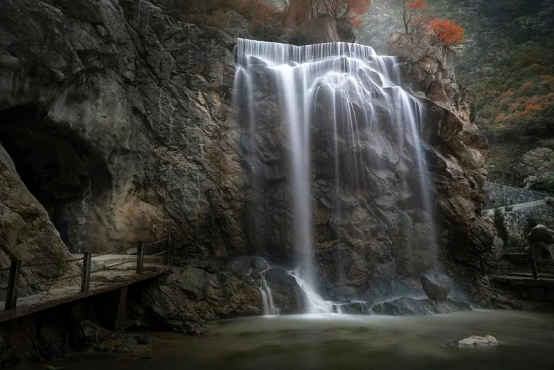
1. Zhengguo Canal Tourist Scenic Area (4A-rated, Jingyang)
World Irrigation Engineering Heritage Site: a hydraulic engineering marvel from the Warring States period, featuring canyon streams, waterfalls, and plank walkways, as well as a summer retreat.
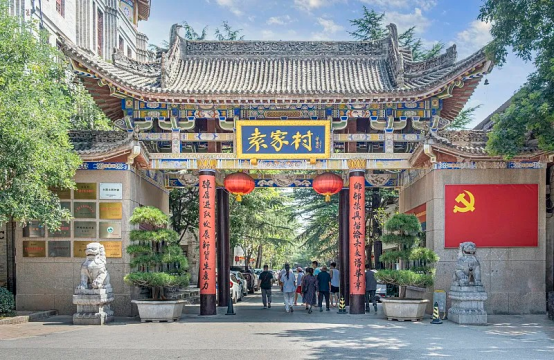
2. Yuanjiacun
A nationally renowned Guanzhong folk culture experience village, featuring a wide variety of local snacks, opportunities to observe traditional handicrafts up close, and an authentic taste of rural life in the Guanzhong region.
III. Specialty Foods
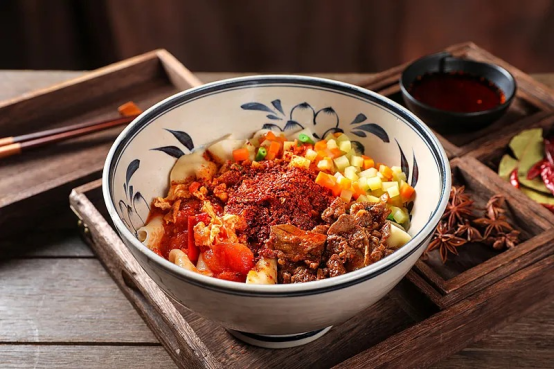
The culinary offerings of Xianyang represent a quintessential Guanzhong flavor profile, centered around handmade noodles and traditional snacks—characterized by an authentic local atmosphere and distinctive flavors. The Huitong Noodle Shop in the city center has been a popular destination for years; its signature dishes such as Guokuiya Zi, Lao Han Xi, and Biangbiang Noodles offer genuine textures and rich aromas. Meanwhile, the diverse regional delicacies across various counties flourish: the "Four Treasures of Qianzhou," Liquan Roasted Noodles, Binzhou Imperial Noodles, Jingyang Ranghe, Sanyuan Liaohua Sugar, and Puji Braised Chicken are renowned both locally and nationally, offering a perfect blend of savory main dishes and crispy desserts. Food hubs such as the Huitong Night Market, Fuyuan Alley, and Xianyang Old Street gather the city's most classic flavors, vividly showcasing the rich character and vibrant street-life essence of Guanzhong cuisine.
IV. Urban Summary
Xianyang is a city steeped in the epic legacy of the Qin, Han, and Tang dynasties. Strolling through the imperial mausoleums, one can touch upon the majestic spirit of the Han Dynasty and the grandeur of the High Tang era; walking along the banks of the Wei River, one can savor the poetic charm of the ancient Wei City over millennia; and strolling through the old streets and night markets, one can indulge in authentic Guanzhong carbohydrate-based delicacies. From the grand capital of the Qin Dynasty to the starting point of the Silk Road, where profound historical heritage coexists with the vibrant daily life of this land, Xianyang stands as an unmissable cultural and tourism destination for exploring China's ancient civilization.