English
 French
 Spanish
 Russian
 Arabic
 Italy
Italy
City Introduction
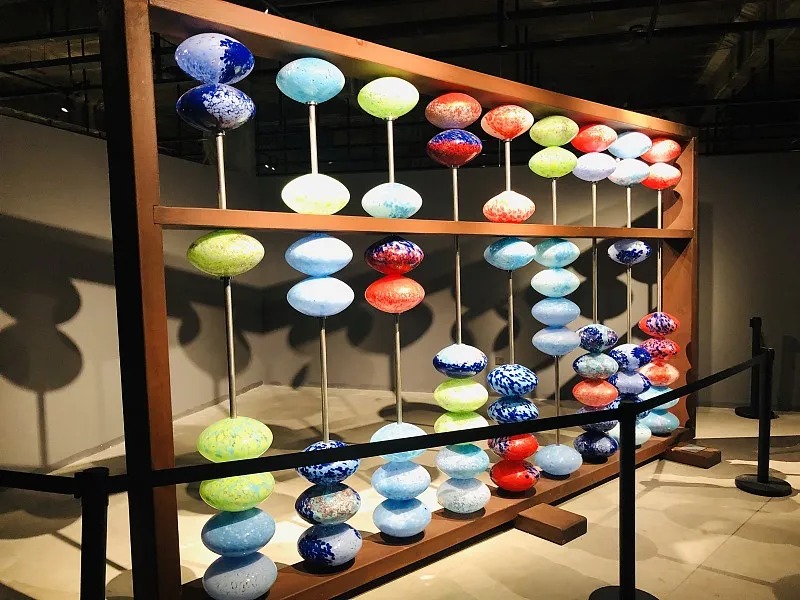
Boasting a continuous cultural heritage of three thousand years, Zibo has nurtured numerous distinguished figures. Military sage Sun Wu, agricultural expert Jia Sixie, literary master Pu Songling and Qing Dynasty poetic leader Wang Yuyang all originated here, leaving timeless classics such as *The Art of War*, *Essential Techniques for the Welfare of the People* and *Strange Tales from a Chinese Studio*. Meanwhile, Zibo is a time-honored capital of ceramics and colored glaze. With enduring kiln fire from pre-Qin primitive pottery, Han-Tang glazed wares to Ming-Qing colored glaze craftsmanship, it has formed a unique northern ceramic and glaze craft system. In the Ming and Qing dynasties, Zhoucun commercial port thrived and became a famous “dry wharf” in northern China, nurturing prosperous Shandong merchant culture. Integrating ancient and modern charms, balancing civil and military traditions, and thriving in both agriculture and commerce, modern Zibo inherits ancient Qi elegance, exquisite ceramic craftsmanship, bustling commercial customs and profound Liaozhai heritage. It is a time-honored cultural city with profound deposits, an open atmosphere, and both historical depth and earthly warmth.
Famous Scenic Spots in Zibo
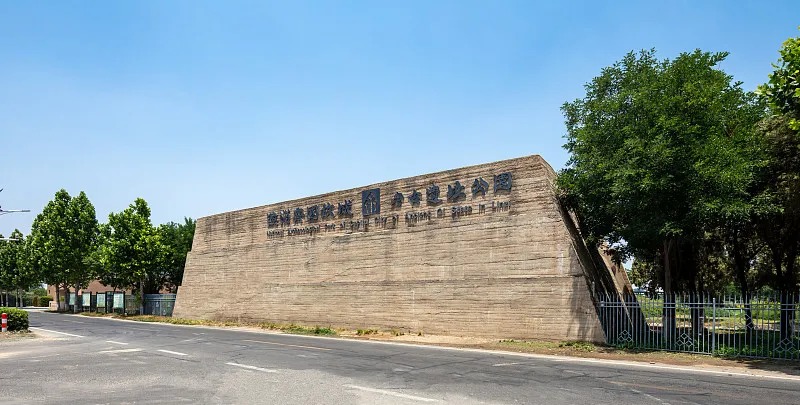
1. Linzi Ancient Qi City Ruins Museum
The relic site preserves magnificent ancient city walls, sophisticated pre-Qin drainage passages, large palace foundations and the world-famous Eastern Zhou Dynasty Horse Sacrifice Pit, all serving as direct evidence of the Qi State’s powerful military strength and superb construction techniques. The extraordinary Horse Sacrifice Pit reproduces the formidable momentum of the Qi State as a “state of a thousand chariots”, standing as a rare ancient relic reflecting pre-Qin chariot and horse rituals and military systems. The supporting Ancient Qi City Ruins Museum houses a wealth of bronze wares, ritual vessels, weapons and daily artifacts, systematically restoring the politics, economy, military, rituals and folk customs of the Qi State. As a core sacred site for studying pre-Qin Qi history and exploring the origin of Qi culture, it perfectly preserves the prosperous memories of an outstanding Eastern ancient kingdom and ranks as Zibo’s most significant millennial humanistic landmark.
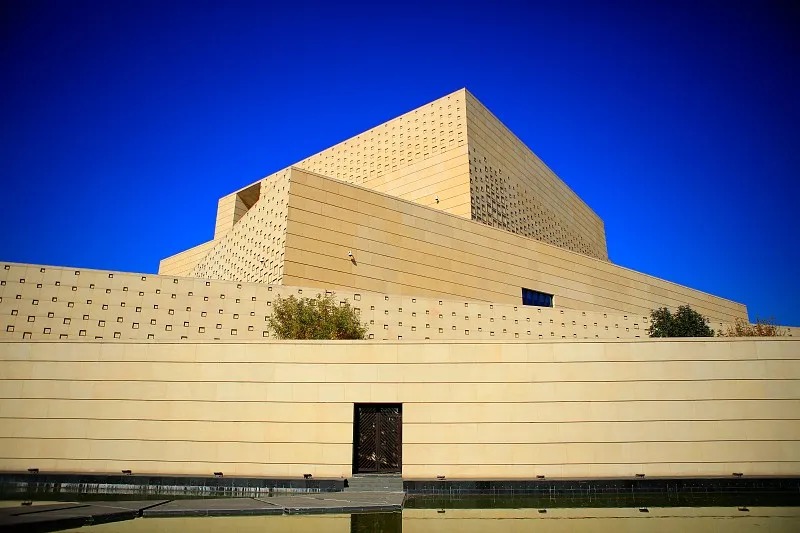
2. Qi Culture Museum
Centered on the history of the Qi State, the museum displays themed exhibitions on Qi ritual civilization, bronze art, handicraft techniques, urban folk customs, military thoughts, science and education culture. A large number of exquisite bronze ritual vessels, ancient pottery figurines, pre-Qin coins and chariot and horse appliances are on display, intuitively reproducing the prosperous scene of the Qi State’s economic prosperity, exquisite craftsmanship and thriving culture and education. The museum highlights the unique spiritual core of Qi culture—openness, innovation, pragmatism and inclusiveness, which distinguishes it from traditional Central Plains ritual culture and embodies the Qi State’s broad vision and innovative courage. It also systematically showcases exclusive cultural icons including the origin of Cuju (ancient football) and the prosperous academic scene of Jixia Academy, fully restoring the splendid achievements of pre-Qin Eastern civilization. As a core display window and research base for Qi culture, the museum verifies history through cultural relics and inherits cultural spirits, making it an essential humanistic resort for exploring Zibo’s millennial heritage and perceiving Qilu civilization.
3. Zhoucun Ancient Commercial Street
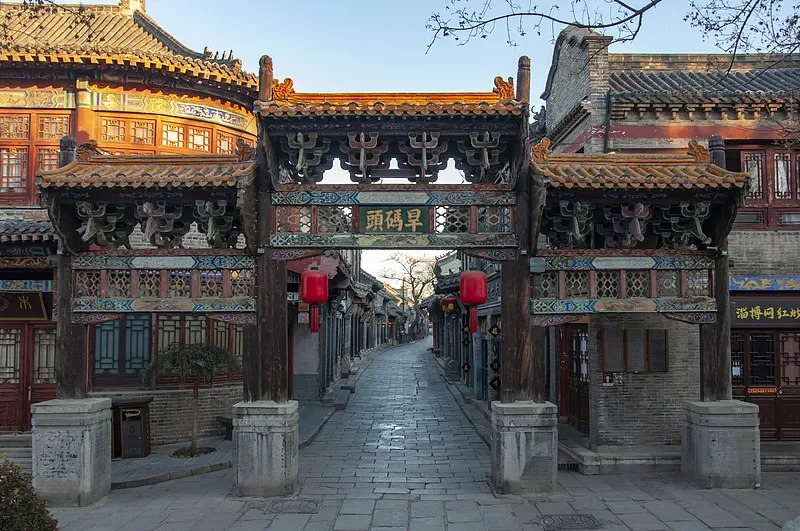
The ancient commercial street retains more than 50,000 square meters of intact Ming and Qing ancient architectural complexes. Winding bluestone alleys are lined with well-arranged ancient shops, time-honored brands, old banks, draft houses and workshops. The architecture integrates the solemn steadiness of northern folk residences with the lively earthly charm of commercial streets. Well-preserved sites of century-old brands such as Ruifuxiang and Qianxiangyi vividly witness the rise of modern Shandong merchants and the prosperity of northern textile trade. Serving as the shooting location of classic TV dramas *The Dyeing Workshop* and *Dry Wharf*, it authentically restores the urban and commercial style of northern China in the Ming and Qing dynasties. With a time-honored commercial context and enduring earthly vitality, the ancient street inherits the cultural deposits of Ming-Qing commercial systems and the integrity spirit of Shandong merchants, while retaining vivid folk life. It is a perfect carrier of Zibo’s commercial port culture, folk culture and urban fireworks.
4. Liaozhai City
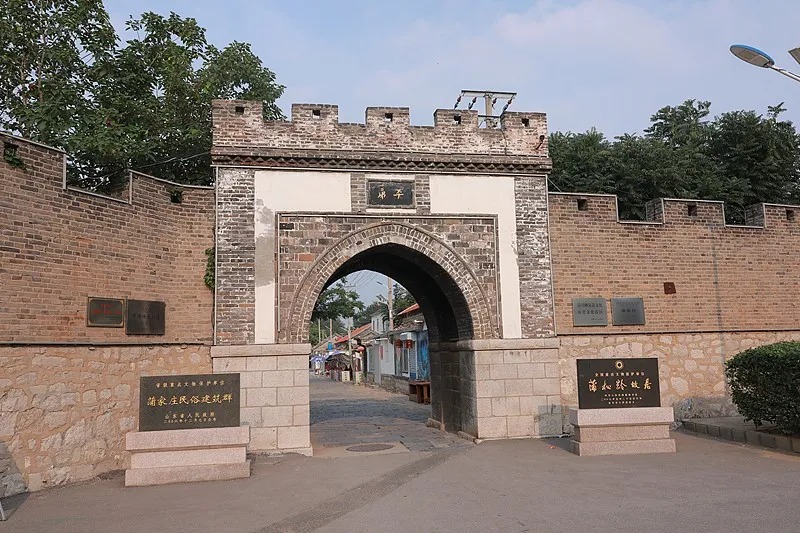
The scenic area completely preserves the original sites of Pu Songling’s residence, study and courtyard. The simple and serene northern farmhouse courtyard truly restores the literary master’s living and studying scenes. Centered on classic Liaozhai stories, the scenic area builds themed landscapes including Willow Spring, Liaozhai Palace, Fox Fairy Garden and Zhiyi Garden, materializing classic story scenes and immersing visitors in the fantastic artistic conception and humanistic feelings of Liaozhai literature. It also conducts in-depth displays of Pu’s academic research, folk legends and Qing Dynasty Shandong rural culture, systematically sorting out Pu Songling’s life thoughts and literary achievements. Integrating celebrity former residences, classical literature, folk culture and landscape gardens, Liaozhai City is a landmark scenic spot for exploring the literary value of *Strange Tales from a Chinese Studio*, inheriting Pu’s cultural heritage and experiencing Zibo’s profound rural humanity.
5. China Ceramics and Colored Glaze Museum
The museum collects tens of thousands of fine ceramic and colored glaze artifacts spanning three thousand years. It systematically displays the craft iteration of Zibo ceramics from simplicity and steadiness to delicacy and elegance, fully presenting the development context and artistic characteristics of northern ceramics. Primitive pre-Qin pottery features vigorous simplicity; Tang-Song porcelain embodies mild elegance; Ming-Qing colored glaze shines with gorgeous luster; modern innovative works present unique and novel styles, fully demonstrating Zibo ceramics and glaze’s inclusive artistic charm integrating northern and southern styles and spanning ancient and modern times. Beyond displaying the beauty of artifacts, the museum deeply interprets traditional pottery and glaze making techniques, craftsman spirit and folk culture, recording the dedication and innovative inheritance of generations of artisans. As a core cultural business card of Zibo, it is an essential art palace for understanding northern ceramic civilization, perceiving millennial kiln craftsmanship and experiencing Zibo’s traditional craft heritage.