English
 French
 Spanish
 Russian
 Arabic
 Italy
Italy
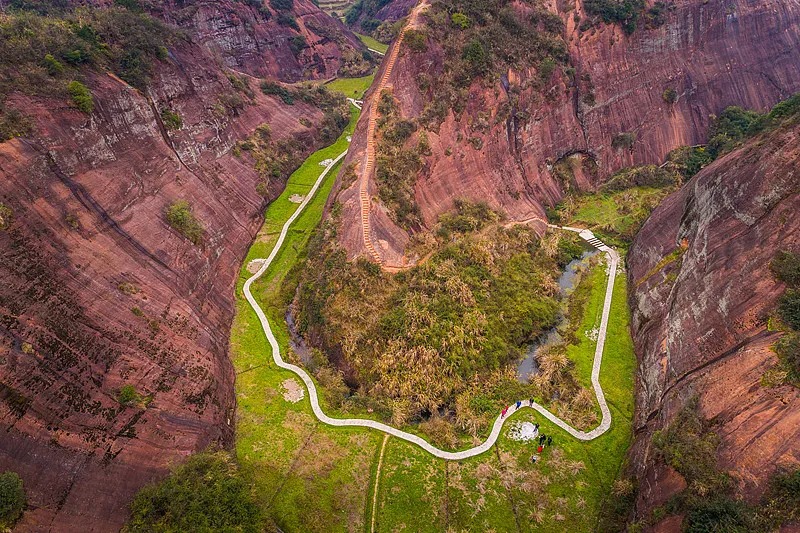
Endowed with abundant mineral resources, Yangquan has a long history of coal and iron mining. Risen relying on rich mineral deposits in modern times, it developed into a well-known industrial city in China and forged the industrial spirit of hard work, perseverance and pioneering innovation. Moreover, it is a sacred land of revolutionary heritage. During the War of Resistance against Japanese Aggression, the Hundred Regiments Offensive unfolded here, leaving an indelible mark on China’s war of resistance. Surrounded by the rolling Taihang Mountains, Yangquan features numerous valleys, karst caves and mountain springs, presenting spectacular and graceful natural scenery. Today, integrating profound industrial heritage, glorious revolutionary history, magnificent Taihang landscapes and well-preserved ancient architectural relics, Yangquan boasts a harmonious combination of revolutionary sites, ancient passes, castles and karst wonders. It stands as a charming city in eastern Shanxi that unites industrial memories, revolutionary traditions and ecological beauty of the Taihang Mountains.
Famous Scenic Spots in Yangquan
1. Memorial Hall of the Hundred Regiments Offensive (Shinao Mountain Scenic Area)
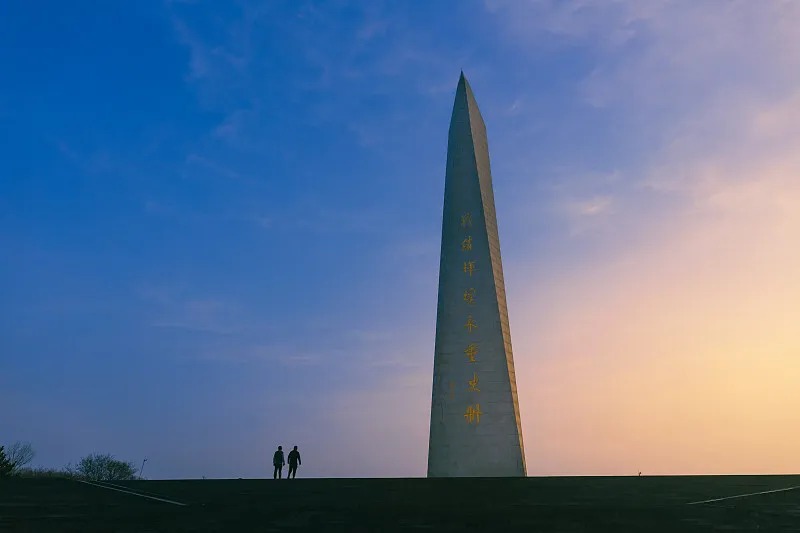
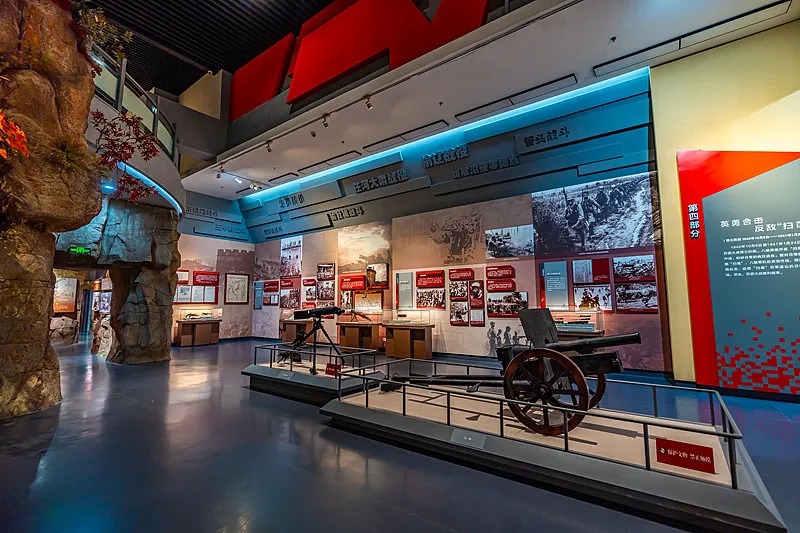
With towering ridges and lush forests, Shinao Mountain features the solemn Monument to the Hundred Regiments Offensive standing amid the mountains. The memorial hall houses abundant wartime cultural relics, video materials and historical documents, comprehensively restoring the campaign background, combat process and heroic deeds. Hiking trails connect the monument, memorial hall and revolutionary martyrs’ cemetery, allowing visitors to experience the perilous terrain of the ancient battlefield. As a national demonstration base for patriotic education, Shinao Mountain embodies the great spirit of resistance against Japanese aggression. It is a spiritual sanctuary for remembering revolutionary history and honoring anti-Japanese martyrs, as well as the most representative cultural landmark of Yangquan’s red culture.
2. Niangziguan Scenic Area
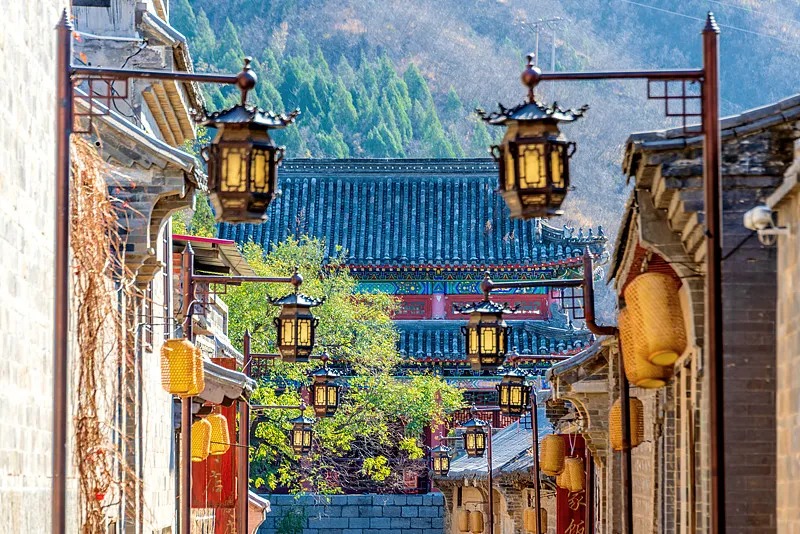
Built along the mountain terrain, the ramparts feature grand gate towers, well-preserved artillery platforms, city walls and ancient paths. The surging Mianhe River cuts through the valley and forms the spectacular Niangziguan Waterfall, blending flowing blue water with mountain scenery. The scenic area integrates military culture of the Great Wall pass, natural landscapes of the Taihang valleys and local folk customs. Ancient villages nestle beside the pass with intact stone lanes and traditional dwellings, combining the grandeur of the strategic pass and the delicacy of a water town. For thousands of years, Niangziguan has witnessed countless battles and merchant travels. It serves as precious physical evidence for studying the northern Great Wall military system and the history of exchanges along the ancient Shanxi-Hebei route, and represents the top tourism calling card of Yangquan.
3. Cangshan Scenic Area
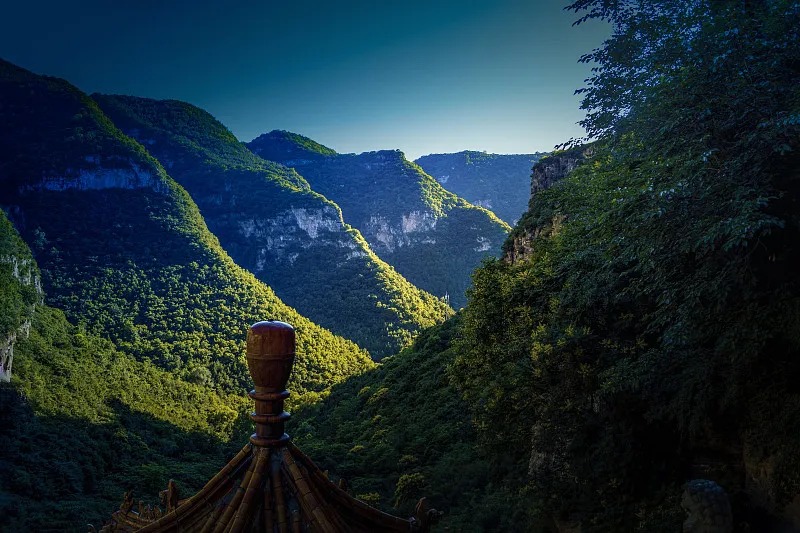
Encircled by mountains, the scenic area features precipitous cliffs and deep caves with unique landforms. Numerous shrines, plank roads and cliff carvings scatter across the mountains. Built against the cliffs, the Cangshan Temple consists of layered halls and towering ancient cypresses. The temple preserves architectural relics dating from the Song, Yuan, Ming and Qing dynasties, together with a great number of stone inscriptions recording the legend of the Orphan of Zhao and renovation records of successive eras. Merging the legendary culture of loyalty and righteousness, northern ancient architectural art and karst landscapes of the Taihang Mountains, Cangshan is not only a sacred destination to trace the origin of loyalty culture, but also a distinctive mountain scenic spot in eastern Shanxi.
4. Guanyu Temple (Pingding)
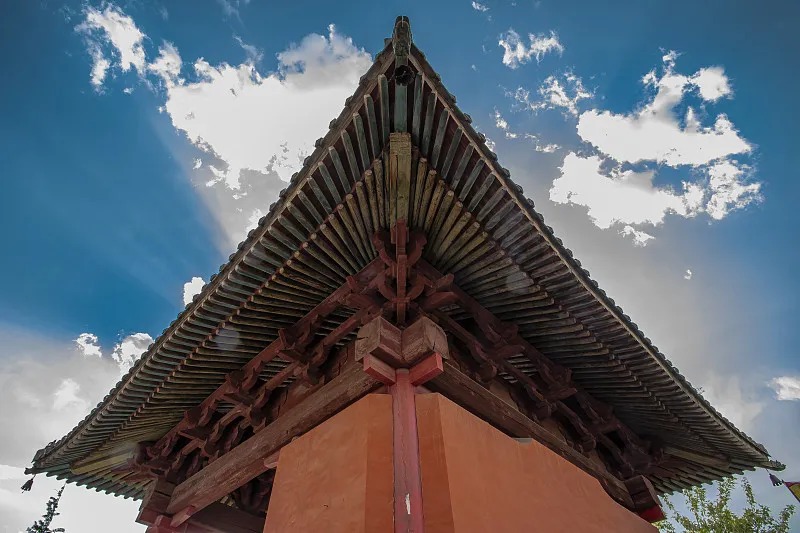
The temple boasts a neat layout with a clear central axis, towering halls and primitive, elegant bracket sets. Preserved statues and murals inside embody the belief culture of Guan Yu. For thousands of years, residents in eastern Shanxi admired loyalty and righteousness, and this temple long functioned as a center for local sacrifices and folk activities. Unlike many Guan Yu temples reconstructed in the Ming and Qing dynasties, Pingding Guanyu Temple retains strong Yuan-dynasty construction characteristics, with antique wood carvings and glazed components. Combining ancient architectural art and folk culture surrounding Guan Yu, it is a precious historical and cultural treasure of Yangquan, attracting numerous researchers of ancient architecture and tourists.
5. Hongyan Ridge Scenic Area
The core attraction, the Jade Emperor Cave, features a vast space with varied stalactites, staggered stalagmites and stone pillars in gorgeous colors, winding through deep corridors. Valleys above ground are serene with high forest coverage, presenting distinct scenery in four seasons: blooming wildflowers in spring and red leaves covering mountains in autumn. Integrating fantastic karst geological landscapes and original Taihang mountain scenery, Hongyan Ridge stays away from urban hustle and bustle. Equipped with leisure walkways and cave sightseeing routes, it is a rare natural resort in Yangquan combining geological popularization, ecological sightseeing and wellness tourism, showcasing the diverse karst landforms of the Taihang Mountains.