
 English
 French
 Spanish
 Russian
 Arabic
 Italy
Italy
Vietnam Travel Tips
I. Entry Customs Clearance Guidelines
1. Visa Policy: The vast majority of international tourists must apply for a Vietnam E-Visa in advance; you must print out the physical visa page and carry it with you, and must not rely solely on the electronic version stored on your mobile phone. Only Phú Quốc Island offers visa-free entry for stays of up to 30 days, and this policy applies exclusively within the Phú Quốc Island area; if you intend to travel to other cities such as Hanoi, Ho Chi Minh City, or Da Nang, you must apply for a visa in advance.
2. Essential documents for entry: Your passport must have a validity period of at least 6 months beyond your return date, and you should reserve at least 2 blank visa pages; please prepare your round-trip flight itinerary and full hotel reservation in advance, as customs may conduct random inspections; it is recommended to keep both electronic and hard-copy backups of these documents.
3. Cash Declaration Regulations: If you carry foreign currency exceeding USD 5,000 or Vietnamese Dong exceeding VND 15 million with you, you must proactively declare such amounts to Customs; failure to do so will result in penalties, including the confiscation of the cash and imposition of substantial fines, should it be discovered.
4. Strictly prohibited to bring items into the country: Vietnam strictly prohibits the entry of e-cigarettes, heated tobacco products, and e-liquids; violations will be subject to severe penalties. Additionally, it is strictly forbidden to bring prohibited items such as drugs, pornographic publications, animals or plants that have not undergone quarantine inspection, or fresh food. During your travels, do not assist strangers in carrying any luggage or parcels through customs, to avoid becoming involved in disputes.
5. Secure Storage of Identification Documents: All documents—including passports, visas, flight tickets, and hotel reservations—should be photographed for archiving and backed up to the cloud; original documents and photocopies should be stored separately. In the event that any document is lost, report it to the police immediately and contact your country's diplomatic mission abroad to seek assistance in obtaining replacements or obtaining help.
II. Local Customs, Etiquette, and Dress Taboos
1. Dress Code for Religious Sites: When visiting solemn sites such as temples, pagodas, or the Ho Chi Minh Mausoleum, visitors must cover their shoulders and knees; wearing strapless tops, off-shoulder outfits, short shorts, or short skirts is strictly prohibited. Upon entering Buddhist halls, visitors must remove their shoes, hats, and sunglasses; at the Ho Chi Minh Mausoleum, it is strictly forbidden to bring mobile phones or cameras, and visitors are required to maintain silence and a solemn atmosphere throughout the visit.
2. Daily physical taboos: Locals believe that the head is a sacred part of the body; touching anyone's head—including children—is strictly forbidden; when taking a seat, one's feet should not face another person, as this is considered impolite behavior; during meals, it is prohibited to use chopsticks to tap on bowls or plates, and it is also taboo to randomly insert chopsticks into the bowl or plate; when giving gifts or visiting others, white flower bouquets should be avoided, as white flowers are typically reserved for funeral occasions in this region.
3. Photography and Public Etiquette: Before photographing local residents, you must obtain their prior consent; unauthorized photography is strictly prohibited. Photography and video recording are strictly forbidden at military facilities, government buildings, and border areas; anyone violating these rules will be subject to disciplinary action or legal consequences.
4. Public Conduct Norms: In Vietnamese rural areas and traditional regions, social norms tend to be relatively conservative; in public settings, excessive physical contact should be avoided; daily social interactions typically involve nodding or shaking hands, with no casual hugging, kissing, or greeting of strangers or elders; local traditional etiquette must be respected.
III. Monetary Consumption and Tip Etiquette
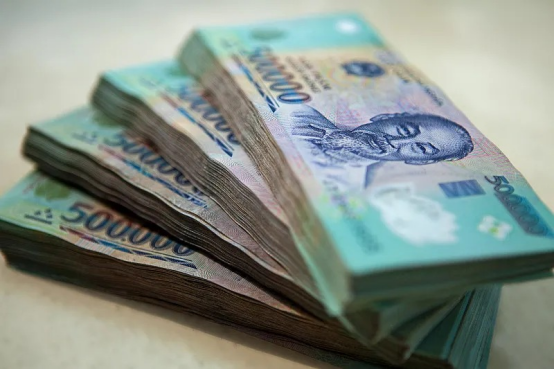
1. General Payment Methods: The official currency of Vietnam is the Vietnamese Dong (VND). In major cities such as Hanoi, Ho Chi Minh City, and Da Nang, shopping malls, hotels, and high-end restaurants accept UnionPay and Visa credit cards; some commercial districts also support Alipay and WeChat Pay; however, in street night markets, local fairs, and snack stalls, only cash is accepted—it is recommended to carry some change beforehand.
2. Precautions for foreign currency exchange: Prioritize exchanging currency at banks or licensed gold shops; absolutely do not exchange currency at private stalls along the roadside, as you may easily encounter counterfeit bills or fall victim to fraud. While ATMs allow you to withdraw cash directly, they incur cross-border transaction fees; it is recommended to only withdraw cash when necessary.
3. Tip Guidelines: Vietnam does not have a mandatory tip culture; no tips are required for general dining, taxi services, or street-side purchases. For high-end SPA treatments or hotel services where the bill does not include service charges, you may optionally pay a tip of 50,000–100,000 VND to express your appreciation—this is entirely voluntary.
IV. Transportation Safety
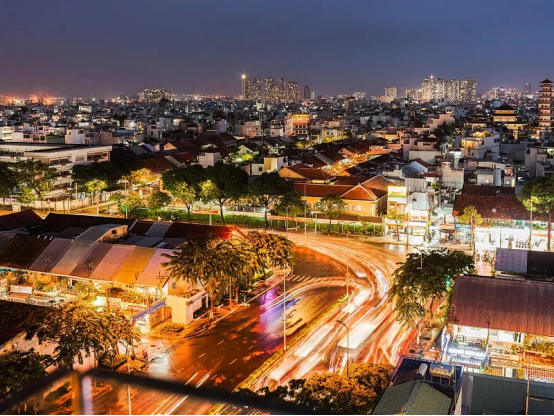
1. Theft and Robbery Prevention Tips: There are a vast number of motorcycles on Vietnamese streets, making motorcycle-related robbery incidents particularly common. When traveling, be sure to carry your backpack in front of you; avoid using shoulder bags or crossbody bags with long straps. When walking along roadsides or at intersections, do not hold your mobile phone or expose valuables, as this may make you a target for robbery.
2. Ride-hailing Guidelines: For routine ride-hailing services, prioritize using the official Grab app; online pricing is transparent and compliant, ensuring that you are not overcharged or forced to take detours. You should resolutely avoid taking rides from roadside vendors, unlicensed illegal taxis, or private vehicles.
3. Travel Safety Precautions: Given the complex local traffic conditions and heavy traffic flow, do not rush across the road; instead, exercise patience when yielding to motorcycles and motor vehicles. It is strictly prohibited to rent or drive a motorcycle without a valid license; local traffic police will rigorously enforce regulations against unlicensed driving. Should an accident occur, overseas insurance providers will directly deny claims, resulting in extremely high risk.
4. Nighttime Safety: Avoid going to secluded alleys or deserted areas at night; store valuables in the hotel safe promptly, and minimize the exposure of your personal belongings.
V. Guidelines for Food and Nutrition and Health
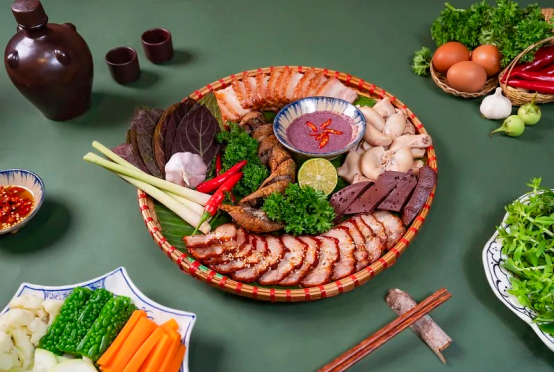
1. Food Safety: While Vietnamese street food offers a wide variety of options, hygiene conditions vary significantly across different vendors. Individuals with sensitive gastrointestinal systems are advised to choose clean and reputable establishments for dining and to avoid consuming unverified street-side raw foods or cold mixed snacks; bottled mineral water should be used throughout the meal, and drinking tap water directly is strictly prohibited.
2. Essential Medications: While pharmacies are widely available in urban areas, remote scenic spots and small towns often offer a limited range of medications at relatively high prices. It is recommended to bring your own gastrointestinal medications, cold remedies, motion sickness medication, adhesive bandages, mosquito repellent, and antihistamines to address common daily discomforts.
3. Seafood Consumption Tips: Seafood comes from a wide variety of regions and offers excellent value for money; therefore, it is essential to verify that the ingredients are fresh before consumption, avoid eating spoiled seafood, refrain from overeating, and prevent gastrointestinal discomfort or food poisoning.
VI. Communication, Power Supply, and Luggage Preparation
1. Power plugs: The voltage in Vietnam is 220V; there are universal two-pin round sockets. Standard two-pin plugs from China can be used directly; for three-pin appliances, a universal plug adapter should be prepared in advance.
2. Network connectivity: It is recommended to purchase a Vietnamese SIM card or eSIM in advance; these provide stable internet speeds and are compatible with Google Maps, navigation apps, and translation software, making them more suitable for travel than hotel free Wi-Fi.
3. Luggage & Clothing Essentials: Always keep a sun protection suit, SPF 50+ sunscreen, and a sun hat on hand to protect against strong tropical UV rays; when visiting temples or cultural attractions, bring long-sleeved shirts and long trousers; during the rainy season (May–October), carry an umbrella and a waterproof jacket. Most hotels do not provide toothbrushes, toothpaste, or disposable slippers; it is recommended to bring these items yourself.

VII. Best Travel Time
1. Dry season (November – April of the following year): The optimal time for traveling in Vietnam, characterized by cool and dry weather, minimal rainfall, and abundant sunshine; it is ideal for sea trips, sightseeing, and taking photos; tourist numbers are high, and airfares and hotel prices are at peak season levels.
2. Rainy Season (May–October): This period is typically characterized by short-lived showers that clear up rapidly after rainfall; overall temperatures are relatively high, making this season an excellent choice for travel due to its exceptional value for money—low tourist crowds and lower prices. In some central and southern regions, occasional short-term flooding or typhoons may occur; travelers should therefore stay updated on weather warnings in advance.
VIII. Other Important Reminders
1. Before traveling abroad, you must purchase overseas travel insurance; prioritize policies that cover medical treatment abroad, accidental injuries, flight delays, and emergency rescue services to comprehensively mitigate travel-related risks.
2. Vietnam's anti-drug laws are extremely stringent; violations related to drugs may result in the death penalty. Please strictly avoid pornography, gambling, drug use, and any suspicious prohibited items, and never cross the red line of the law.
3. Memorial halls, mausoleums, and public cultural venues have fixed opening hours; most venues are closed on Mondays and during statutory holidays. Please check the opening hours in advance before visiting to avoid missing your preferred venue.
4. At night markets, fairs, and small commodity markets, prices are not fixed; you may negotiate your price appropriately before purchasing, shop rationally, and avoid impulsive buying.