
 English
 French
 Spanish
 Russian
 Arabic
 Italy
Italy
Indonesia Travel Tips
I. Entry Customs Clearance Guidelines
1. The passport must have a remaining validity of at least 6 months; at least 2 blank visa pages must be reserved; strict adherence to the visa-free or on-ground visa stay periods applicable to the respective nationality is required; overstaying beyond the permitted period is prohibited, as such violations may result in substantial fines, entry restrictions, or even deportation.
2. Please ensure that you complete the official electronic entry declaration before entering the country and keep the customs clearance QR code safe. Customs may conduct random checks on your round-trip flight tickets and full hotel reservation receipts; it is recommended to take screenshots in advance and save them offline to avoid being deported for failing to present the required documents.
3. It is strictly prohibited to tip Customs officers; in cases of malicious attempts to solicit tips, you may politely refuse directly without any compromise.
4. Indonesia has extremely stringent drug prohibition and controlled pharmaceutical policies; carrying drugs or prohibited medications into the country is strictly forbidden. Certain commonly used prescription drugs in China are classified as controlled substances in Indonesia, and violating these regulations may result in severe imprisonment.
5. Fresh fruits, durian, and mangosteen are prohibited from entering or leaving the country, as well as from being brought into hotels or public transportation; violations will result in substantial fines.
6. Bali imposes a tourism tax on all foreign tourists; it is recommended to pay this tax online in advance before your trip to avoid waiting in long queues at the site that may disrupt your itinerary.
II. Monetary Consumption & Avoiding Common Pitfalls Guide
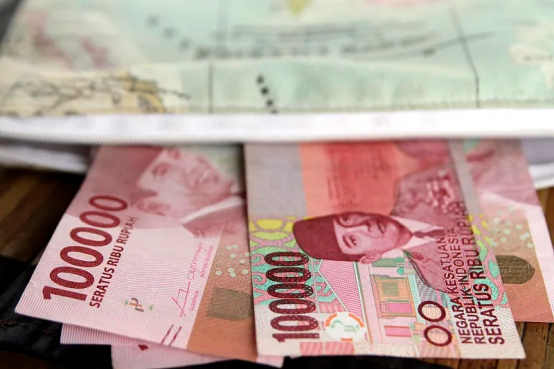
1. The official currency is the Indonesian Rupiah (IDR), which has very large denominations; for daily transactions, you may assume that the last three zeros can be omitted for quick conversion. Exchange rates at airports vary significantly, so exchanging currency there is not recommended; it is advisable to choose licensed currency exchange outlets in the city center. When exchanging currency, please count the cash in person; we will not be responsible for any losses incurred if you leave the counter.
2. The coverage of WeChat Pay and Alipay abroad is extremely limited; street-side shops, local markets, and night markets only accept cash payments; only high-end hotels and large shopping malls accept Visa or Mastercard credit cards. When withdrawing cash from ATMs using foreign bank cards, be sure to select "IDR" as the payment currency and disable dynamic currency conversion to avoid additional processing fees being charged.
3. For offshore projects, seafood dining services, chartered vehicle services, or water-based entertainment activities, the pricing method (per portion, per kilogram, or per day) must be confirmed in advance; it should be clearly specified whether service fees, travel expenses, or admission tickets are included, to prevent arbitrary price hikes or hidden charges.
4. At markets and small commodity markets, bargaining is permitted to some extent; however, high-end stores and chain stores must display prices clearly and have no room for bargaining.
5. There is no mandatory tipping system in this region; you may voluntarily offer small tips (IDR 50,000–100,000) to the hotel housekeeping staff, private tour guides, or drivers as a gesture of appreciation, but there is no obligation to pay such tips.
III. Transportation Safety Guidelines
1. Indonesia has a left-hand driving system, with complex traffic conditions and a dense motorcycle traffic flow. It is strictly prohibited to rent motorcycles without an international driver's license; local traffic police specifically conduct random checks on foreign tourists, imposing extremely high fines for driving without a valid license, and denying claims in the event of an accident.
2. For daily travel, prioritize using official ride-hailing services such as Grab and Gojek; these services offer transparent pricing and full traceability of the entire journey, while we firmly reject unlicensed roadside taxis that do not use meter-based pricing.
3. For trips involving multiple stops around a city center or across different tourist areas, it is advisable to book a chartered vehicle through a licensed provider on a daily basis – this is not only more convenient but also offers better value for money compared to repeatedly hailing taxis.
4. When traveling to off-island destinations such as Penida Island, Blue Dream Island, or Komodo, you must choose a licensed and reputable tour operator; ensure that all services—including boat tickets, port transfers, and transportation to the island—are fully included in the package; avoid using unlicensed boats or venturing out at sea without proper authorization; and mitigate the risks of capsizing or being stranded on the island.
5. Island cities often experience severe traffic congestion, and scenic spots are typically located at considerable distances from one another; therefore, when planning your itinerary, it is advisable to allocate sufficient buffer time to avoid delays to your flights or scheduled activities.
IV. Religious Customs and Etiquette Taboos
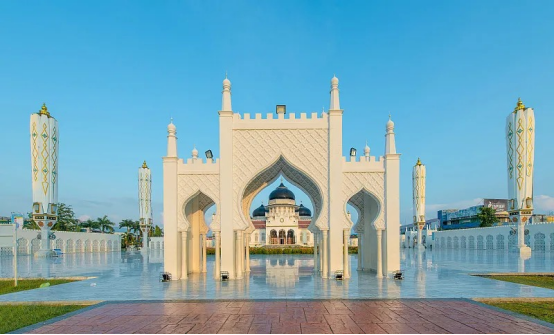
Indonesia is the country with the largest Muslim population in the world; Bali is predominantly Hindu, with a strong religious atmosphere; foreign tourists must respect local customs and are prohibited from making any unwarranted offensive remarks.
1. Locals consider the left hand to be unclean; using the left hand to offer or receive items, pass food, or shake hands with others is prohibited—instead, the right hand should be used throughout all such interactions.
2. The head is a sacred area; it is strictly forbidden to touch anyone's head, including children or pets; such behavior constitutes a serious breach of etiquette and an act of offense.
3. When entering temples or religious sacred sites, visitors must cover their shoulders and knees; clothing must not be overly revealing. If this requirement is not met, visitors may rent sarong robes or aprons on-site. It is strictly prohibited to step on, touch, or move sacrificial flower baskets or religious offerings placed along the roadside.
4. No loud shouting, playing, or taking inappropriate photos shall be permitted within religious sites; climbing or damaging religious statues or sacred objects is strictly prohibited.
5. Excessive physical contact is prohibited in public places; respect local conservative customs.
6. During the Islamic Ramadan fasting period, it is prohibited to eat, drink, or smoke in public in front of Muslims during daylight hours; smoking is completely banned in indoor public spaces, and violations may result in fines.
V. Dietary Health and Safety Guidelines
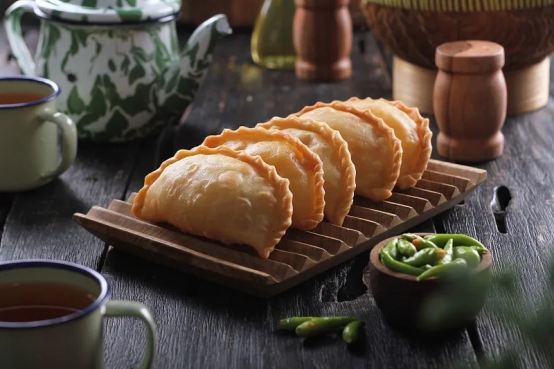
1. Drinking tap water is strictly prohibited throughout this trip; for brushing your teeth or washing your face, it is recommended to use bottled mineral water; when consuming street-side cold drinks or fruit juices, try to avoid adding ice cubes—since most local ice cubes are made from tap water, they can easily cause gastrointestinal discomfort or diarrhea.
2. Indonesia is located in a tropical region where dengue fever and mosquito bites are highly prevalent; you must carry high-concentration mosquito repellent lotion or spray. Additionally, since ultraviolet radiation is extremely strong, wear sunscreen throughout your stay and apply an SPF 50+ sunscreen to prevent sunburn.
3. Exercise caution when choosing street-side stalls without proper hygiene guarantees; limit your consumption of raw or cold foods; strictly prohibit drinking locally brewed Arak—this beverage can easily cause poisoning, with numerous cases of poisoning among foreign tourists reported.
4. In remote islands or mountainous areas where medical facilities are limited, it is essential to purchase travel insurance that includes overseas medical coverage and emergency evacuation support, enabling you to seek timely assistance in case of sudden illness.
VI. Preparation of Travel Essentials
1. Power socket: Universal German standard double-round-hole socket; a conversion plug must be prepared in advance.
2. For mobile phone cards, Telkomsel is the preferred choice; signal coverage is most stable in volcanic areas, remote islands, and mountainous regions.
3. For volcanic hiking: temperatures in mountainous areas in the early morning are relatively low; you should prepare a thin jacket and comfortable athletic shoes.
4. Photograph all passports, visas, flight tickets, and insurance policies; back up these documents to the cloud; keep the originals separately to prevent loss or theft.

VII. Key Safety Warnings
1. In monkey habitats such as Uluwatu and Ubud Sacred Monkey Forest, monkeys can be highly aggressive and may snatch mobile phones, sunglasses, backpacks, or hats; therefore, do not tease or feed them. If you are scratched or bitten by a monkey, seek medical attention immediately for vaccination.
2. Protective facilities at volcanic, cliff, waterfall, and coastal scenic areas are limited; it is strictly prohibited to climb over safety railings for photography or social media check-ins, and any risky behavior is forbidden.
3. All water sports and sea trips are arranged exclusively through officially licensed agencies; participants will not be involved in unlicensed or niche adventure activities. Trips will be promptly canceled in the event of strong winds, rough seas, or heavy rain.
4. Avoid going out alone at night or venturing into remote alleys; when visiting popular tourist attractions or markets, take precautions against theft and pickpocketing, and keep your personal belongings secure.
5. Avoid street protests and crowded gatherings; refrain from crowding around or taking photographs of such events, and avoid getting involved in local social incidents.
6. Reject high-paying job offers from strangers and invitations to visit remote locations; take precautions against scams and personal safety risks.
VIII. Best Time to Travel
1. Dry season (April–October; May–September is the optimal period): characterized by frequent sunny days, low precipitation, and calm sea conditions, this season is ideal for sailing, diving, volcanic trekking, and island vacations—making it the best time to travel throughout the year.
2. Rainy Season (November–March of the following year): Characterized by frequent short-lived showers, humid air, and strong winds and waves at sea; maritime activities are more likely to be canceled temporarily, tourist numbers are lower, and prices are more affordable.
IX. Emergency Contact Numbers
Emergency Hotline: 110
Emergency Hotline: 119
China Consular Protection Hotline: +86-10-12308