
 English
 French
 Spanish
 Russian
 Arabic
 Italy
Italy
Philippines Travel Tips
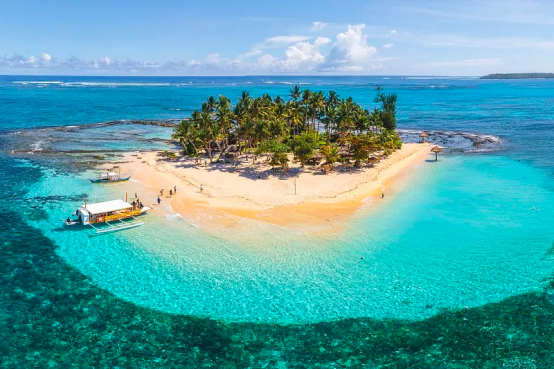
I. Entry Customs Clearance Guidelines
1. Your entry passport must have a remaining validity of at least 6 months, with at least 2 blank visa pages reserved. You must strictly comply with the visa-free or on-ground visa entry regulations of each country; overstaying your permitted period is strictly prohibited, and any violation may result in severe penalties such as substantial fines, entry bans, or deportation.
2. Before entering the Philippines, you must complete the official eTravel electronic declaration form and keep the customs clearance QR code safe. Customs will randomly inspect your round-trip flight tickets and full hotel reservation bookings; it is recommended to take screenshots in advance and save them offline, as incomplete documentation may result in your entry being denied.
3. Customs does not require tips; if staff members maliciously demand tips, you may politely refuse without compromising your position.
4. The drug control regulations in the Philippines are extremely stringent; carrying drugs or any type of controlled pharmaceuticals into the country is strictly prohibited. Certain commonly used prescription drugs in China fall under the category of controlled substances in the Philippines; violating these regulations may result in long-term imprisonment.
5. If you carry foreign currency cash exceeding USD 3,000 upon entry, you must proactively declare it to customs; when exiting the country with Philippine pesos, there are clear quota limits, and carrying more than the permitted amount of cash is prohibited.
6. Foreign tourists are strictly prohibited from participating in local political demonstrations or public gatherings; upon detection of such participation, their visas will be revoked, and they may be forcibly deported.
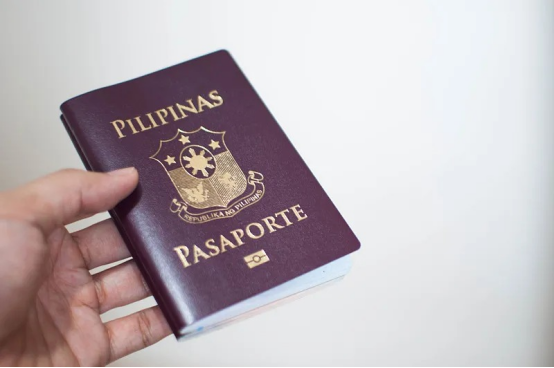
II. Monetary Consumption & Avoiding Common Pitfalls Guide
1. The official currency is the Philippine Peso (PHP). Exchange rates at airports are highly volatile; therefore, it is not recommended to exchange currency there. Instead, prioritize exchanging your money at licensed banks or authorized currency exchange outlets in the city center; after exchange, count the cash in person to avoid receiving less than expected.
2. Visa and Mastercard credit cards are accepted only at large shopping malls and high-end hotels in major cities such as Manila and Cebu. On islands, in small towns, at night markets, or at local fairs, cash is generally the only form of payment accepted; therefore, please ensure you have sufficient cash and small denominations of banknotes ready before arriving on the island.
3. For activities such as island excursions, diving, chartered boat services, seafood processing, and water-based recreational activities, it is imperative to confirm the total price before making a purchase and clarify the pricing method (per person or per portion); inquire whether port fees, equipment fees, and service fees are included, and ensure that no hidden charges or last-minute price hikes occur. At street markets or for small commodities, you may negotiate the price moderately; however, at legitimate stores, prices are clearly marked, leaving no room for bargaining.
4. There are no mandatory tipping requirements in this area; tipping is entirely voluntary. You may give the service staff a tip of 20–100 pesos to show your appreciation; if you encounter a situation where tipping is forcibly demanded, you may directly refuse.
5. Prioritize withdrawing cash at authorized bank ATMs located within shopping malls; Island ATMs often do not offer cash withdrawals. When withdrawing funds, dynamic currency conversion will be declined to minimize transaction fees.
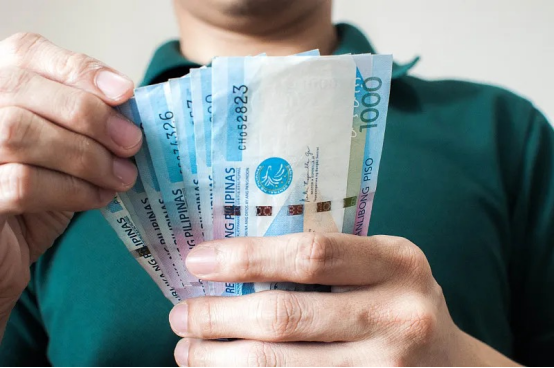
III. Transportation Safety Guidelines
1. The local voltage is 220V; the sockets are American-style two-flat-pin type. Domestic two-prong plugs can be used directly; for three-prong appliances, a plug adapter should be prepared.
2. For daily travel, prioritize using Grab ride-hailing services, as they offer transparent pricing and guaranteed safety. Try to avoid unlicensed white taxis that do not use a meter; such taxis are highly likely to charge foreign tourists exorbitant rates.
3. For short distances, you may take local shuttle buses; before boarding, be sure to agree on the total fare for the entire trip to avoid any additional charges upon arrival at the destination. The Jeepni service is a local public transportation option with complex routes and a noisy environment; it is not recommended for foreign tourists to take this service alone at night.
4. When renting a motorcycle, you must possess a valid international driver's license and wear a helmet throughout the entire ride. Local traffic authorities conduct rigorous inspections of foreign tourists; riding without a valid license will result in substantial fines, and in the event of an accident, insurance claims will be automatically denied.
5. Travel between islands relies on ferries and domestic flights; ferries are highly prone to delays or suspension of service. For transfers via Manila, it is recommended to allocate at least 3 hours of buffer time; when departing for island excursions at sea, you must choose a licensed shipping company; in cases of typhoons or heavy rain, promptly cancel your itinerary, and strictly avoid taking unlicensed vessels or unqualified speedboats.
6. Island cities generally experience heavy traffic congestion, and scenic spots are often located at considerable distances from one another; therefore, it is advisable to allocate sufficient time for itinerary planning to avoid missing flights or failing to visit scheduled attractions.
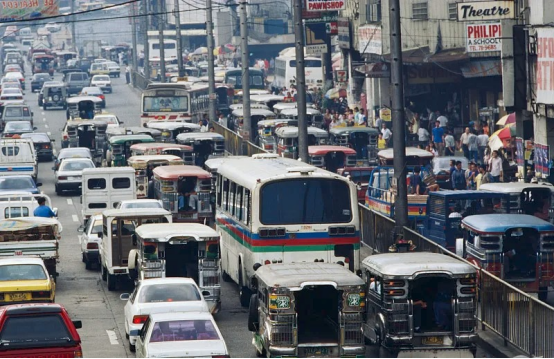
IV. Religious Customs and Etiquette Taboos
The Philippines is a predominantly Catholic country, though some regions in the south are influenced by Muslim culture and exhibit conservative customs; foreign tourists are expected to strictly respect these local traditions.
1. Locals consider the head to be a sacred part of the body; it is strictly forbidden to touch anyone's head, including children, as this is regarded as a serious act of disrespect.
2. Key points regarding hand gestures: The "OK" gesture represents money in this region and should not be used to express approval; for everyday agreement, use a thumbs-up gesture. When calling someone's attention, gently wave your palm downward; it is strictly forbidden to wave your palm upward with fingers extended—this action is considered highly impolite.
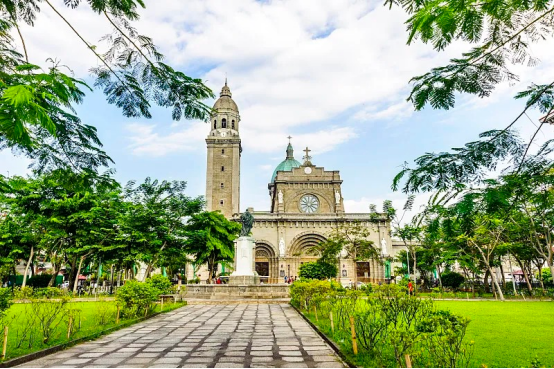
3. When entering churches or other religious venues, visitors must cover their shoulders and knees; wearing shorts, strapless tops, or slippers is prohibited. Loud talking, playing, or taking photographs at any time within the premises is also forbidden.
4. Excessive physical contact is prohibited in public places; in remote rural areas, clothing should be as conservative and appropriate as possible.
5. It is prohibited to take photographs of military or police facilities or government buildings at will; if you wish to take such photographs for distribution purposes, you must obtain official permission in advance.
V. Dietary Health Protection Guidelines
1. Drinking tap water is strictly prohibited throughout the entire trip; for washing hands, personal hygiene, and drinking purposes, bottled mineral water should be used. For street-side cold drinks and fruit juices, avoid adding ice cubes whenever possible, as most local ice cubes are made from tap water, which can easily lead to diarrhea or gastrointestinal discomfort.
2. The Philippines is a tropical region with high mosquito populations and a high incidence of dengue fever; it is essential to carry high-SPF mosquito repellent lotion or spray. Ultraviolet radiation in the area is extremely intense; therefore, take full sun protection measures throughout your stay by using sunscreen with an SPF of 50+ or higher.
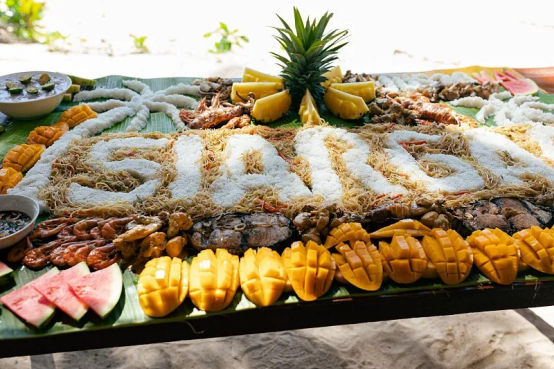
3. When consuming seafood, choose reputable establishments to ensure freshness and avoid roadside stalls with poor hygiene conditions. Always carry common medications such as gastrointestinal remedies, cold medicines, and adhesive bandages when traveling.
4. Due to limited medical resources on islands and in remote mountainous areas, it is essential to purchase travel insurance that covers overseas medical treatment and emergency medical evacuation before departing.
5. We strongly advise against drinking privately brewed alcohol of unknown origin; cases of poisoning among foreign tourists due to consumption of such private liquor have occurred frequently, posing extremely high risks.
VI. Preparation of Travel Essentials
1. For mobile phone cards, Globe is the preferred carrier; signal coverage is more stable on islands and in remote scenic areas.
2. Essential items for traveling abroad and diving include sun protection clothing, a waterproof phone case, and non-slip beach shoes; during the rainy season, always carry portable rain gear.
3. All documents—including passports, visas, flight tickets, and insurance policies—will be photographed and backed up to the cloud; the originals will be stored in the hotel safe to prevent loss or theft.
4. The typhoon season runs from June to November each year; when traveling, you should consistently monitor meteorological warnings and adjust your itinerary accordingly.
VII. Key Safety Warnings
1. Tourism Safety Zones: Major tourist destinations such as Cebu,宿务 (Cebu), Bohol, and Palawan enjoy good public safety conditions; please avoid high-risk areas such as southern Mindanao and the Sulu Archipelago, and do not venture into remote or uninhabited areas without authorization.
2. Pickpocketing is particularly prevalent in Manila, at major ports, night markets, and local fairs; therefore, always carry valuables with you. When visiting beaches, do not leave your luggage or personal belongings unattended; at night, avoid walking alone through secluded alleys or on deserted beaches.
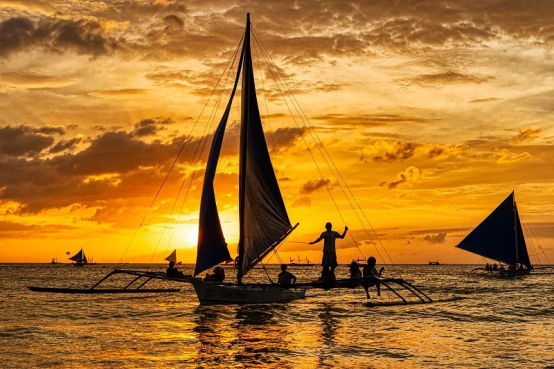
3. Protective facilities at cliffside, waterfall, and seaside viewing platforms are limited; it is strictly prohibited to climb over guardrails for risky photography. For diving, island hopping, or water activities, only choose licensed service providers, and do not participate in low-cost, unlicensed, or hazardous activities.
4. Refuse unsolicited directions from strangers, low-price tourist promotions, or invitations to remote locations; take precautions against all types of fraud and personal safety risks.
5. Stay away from street protests and crowd gatherings; do not gather to watch, take photos, or participate; and avoid getting involved in local social incidents.
VIII. Best Travel Time
1. Dry season (November–May of the following year; January–April is the optimal period): characterized by ample sunny days, calm sea conditions, and minimal rainfall, making it the ideal time for island vacations, diving, and island-hopping tours.
2. Rainy Season (June–October): Characterized by frequent short-lived showers, high typhoon activity, and a likelihood of temporary cancellations of sea voyages; tourist numbers are relatively low, while hotel rates and airfares offer better value for money.
IX. Emergency Contact Numbers
National unified emergency call and medical assistance hotline: 911
Official Philippine Tourism Assistance Hotline: 1-386-4466
China Consular Protection and Assistance Hotline: +86-10-12308