Mangshi

Introduction to Mangshi City and Its Famous Scenic Spots

City Introduction

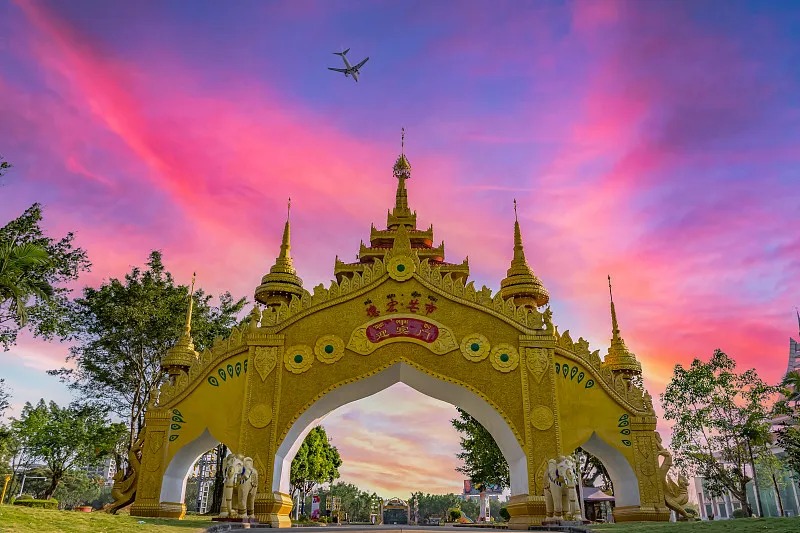
As the prefectural capital of Dehong Dai and Jingpo Autonomous Prefecture in Yunnan Province, Mangshi borders Myanmar and is honored as the “City of Dawn”. It is an ancient border cultural city with a long history. In ancient times, it served as the core hinterland of the Dianyue Elephant-riding Kingdom. Incorporated into the Central Plains territory since the Han Dynasty, Mangshi was an important frontier post on the ancient Southern Silk Road and the Western Yunnan Caravan Road. For thousands of years, it has acted as a crucial gateway for commercial exchanges and cultural integration between China and Myanmar. Central Plains Han culture, southwestern ethnic minority cultures and Southeast Asian exotic civilizations converge here, forming a diverse and distinctive border culture. A multi-ethnic settlement, Mangshi is inhabited by five indigenous ethnic groups—the Dai, Jingpo, De’ang, Achang and Lisu—and more than forty ethnic groups in total, fostering a simple, inclusive and hospitable local ethos.

Mangshi is a core gathering place of ethnic culture on Yunnan’s border. It boasts dozens of intangible cultural heritage items at all levels, including Dai paper-cutting and Jingpo Zongge Festival. Celebrated as a “city of festivals”, it hosts grand ethnic celebrations such as the Water-Splashing Festival and the Zongge Festival all year round. Dotted with numerous Buddhist temples and complemented by golden and silver pagodas, the city is deeply influenced by Theravada Buddhism. Traditional Dai bamboo houses, ethnic costumes and distinctive delicacies together shape its strong Southeast Asian border style. In modern history, Mangshi served as an important frontline position during the Western Yunnan War of Resistance against Japanese Aggression, preserving profound red cultural heritage that witnesses the loyalty and dedication of frontier soldiers and civilians. Today, Mangshi is a time-honored Silk Road border town, a treasure house of ethnic culture and an open border port city. Blending sacred Buddhist charm, diverse ethnic customs, exotic border vitality and modern urban dynamism, it stands as a unique and charming dawn city on China’s southwestern frontier.
9efb5243be0d0d2e8fd2c3dcce046e21

Famous Scenic Spots in Mangshi

1. Menghuan Golden Pagoda

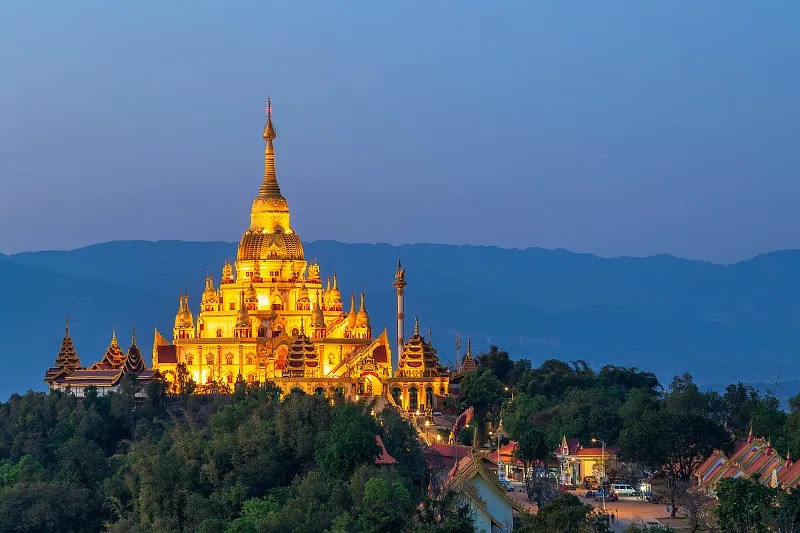
Perched on Leiya Mountain in Mangshi, Menghuan Golden Pagoda is the city’s iconic landmark and one of the most representative Theravada Buddhist pagodas on China’s southwestern border, embodying profound Dai religious culture and border humanistic heritage. In the Dai language, “Menghuan” means “City of Dawn”, endowing the pagoda with symbolic meanings of brightness, auspiciousness, peace and prosperity, making it a sacred spiritual site for local Dai people. Built along the mountain terrain, this towering and magnificent hollow pagoda ranks among the finest of its kind in Asia, perfectly inheriting the exquisite architectural techniques and aesthetic characteristics of Theravada Buddhism.

Fully gilded and shining brightly, the pagoda is carved with delicate Buddhist patterns and auspicious totems. Inside enshrine numerous golden Buddha statues, while vivid wall paintings illustrate classic Buddhist stories and traditional Dai legends. For thousands of years, Theravada Buddhism has deeply integrated into the daily lives of Dai people. Temples and pagodas spread across villages, and praying for blessings and practicing kindness have become deeply rooted folk traditions. During major Buddhist and ethnic festivals, believers gather here to chant scriptures and hold ceremonial rituals, continuing age-old religious customs. Standing atop the pagoda, visitors can overlook the panoramic view of Mangshi’s urban landscape and border pastoral scenery, where mountains, cityscapes and Buddhist scenery merge as one. More than an exquisite architectural masterpiece, Menghuan Golden Pagoda serves as a core carrier of Mangshi’s Buddhist culture, Dai folk culture and border blessing traditions, witnessing the millennial religious inheritance and ethnic civilization of the southwestern frontier.
7a1a76f85d4a9de4e5f4c34cfc2fbf3d

2. Menghuan Silver Pagoda

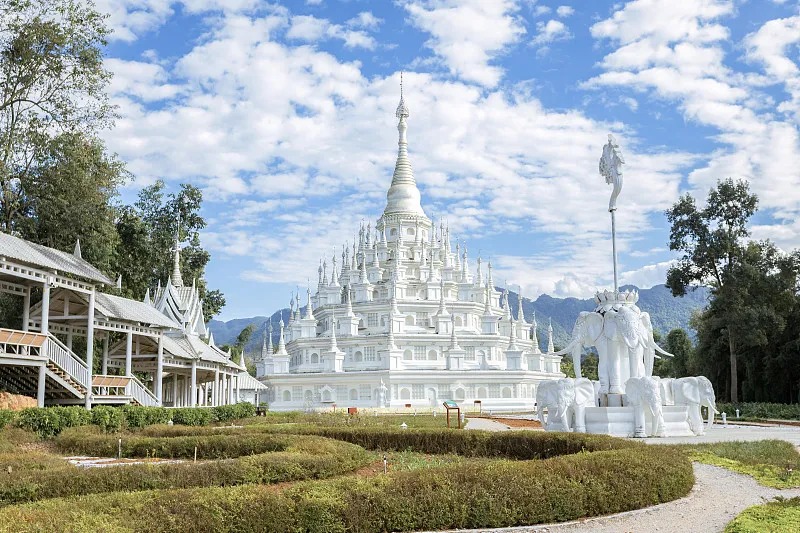
Facing the Menghuan Golden Pagoda from afar and located beside Mangshi Peacock Lake, Menghuan Silver Pagoda is a new landmark of Mangshi and a pinnacle of Theravada Buddhist architectural aesthetics. In contrast to the grand and solemn golden pagoda, the silver pagoda features an elegant, pure and tranquil appearance with exquisite carvings, embodying gentle and sacred Buddhist temperament. The two pagodas, one golden and one silvery, one majestic and one graceful, form Mangshi’s unique twin-pagoda landscape and the most recognizable symbolic feature of the “City of Dawn”.

The silver pagoda complex features a neat and layered layout, with a towering main pagoda surrounded by auxiliary small pagodas, pavilions and corridors. Strictly following traditional Theravada Buddhist architectural norms, it ingeniously integrates classic Dai construction techniques with modern aesthetic design. The pure white pagoda reflects perfectly on the clear Peacock Lake, creating an ethereal and poetic scene of harmonious mountains, water, pagodas and sky. Serving as an important venue for Buddhist cultural dissemination and folk activities, the pagoda maintains a tranquil incense atmosphere all year round, carrying local people’s sincere wishes for kindness, blessings and homeland protection. It presents pure holiness in daylight and brilliant radiance at night, combining stunning natural scenery and profound Buddhist charm. Inheriting the millennial Theravada Buddhist heritage of the southwestern border and innovatively interpreting Dai architectural aesthetics, Menghuan Silver Pagoda is a classic scenic spot where Buddhist culture, ecological scenery and border customs blend perfectly in Mangshi.
97ed367b318cd3ccf3a180e10dba2a20

3. Mengbanna Rare Garden

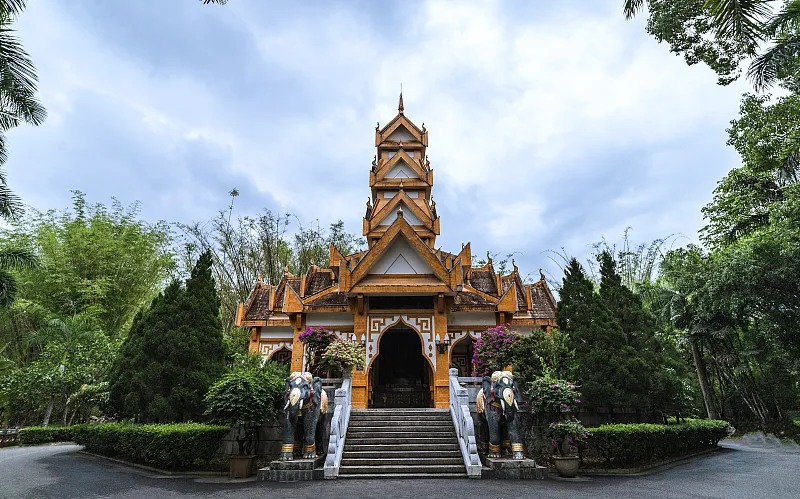
Located in urban Mangshi, Mengbanna Rare Garden is a comprehensive landscape that embodies the integration of Mangshi’s natural ecology and ethnic humanity. In the Dai language, “Mengbanna” refers to a “magical and beautiful land”, representing the Dai people’s yearning for their homeland. Built based on the unique natural endowments of the western Yunnan borderland, the garden gathers rare plants, ancient strange stones, classic ethnic architectures and diverse folk cultures. As a distinctive ecological and humanistic garden on the southwestern border, it fully reproduces the natural scenery and profound cultural heritage of Dehong border areas.

The garden is covered with lush ancient trees, rare vegetation and natural root carvings, presenting vigorous subtropical ecological scenery with evergreen plants and blooming flowers all year round. All architectures follow traditional Dai styles, with delicate Dai pavilions, bamboo corridors and waterside courtyards scattered throughout, exuding strong and authentic ethnic charm. Meanwhile, the garden fully displays intangible cultural heritage skills including Dai paper-cutting, brocade weaving and elephant drum craftsmanship, vividly showcasing the traditional lifestyles and cultural inheritance of indigenous ethnic groups. Walking through the garden, visitors can immerse themselves in the poetic subtropical ecological scenery and appreciate the millennial folk customs, aesthetic concepts and life wisdom of the Dai people. As a miniature of the integration of natural ecology and ethnic humanity in Mangshi, Mengbanna Rare Garden offers an excellent window to understand the customs and charm of the Dai borderland.
589ee4ce94c4801f811e1189958870bf

4. Dai Ancient Town

Mangshi Dai Ancient Town is a large cultural and tourism complex built on the foundation of millennial Dai cultural heritage. It faithfully restores the ancient village style and urban pattern of Dehong’s Dai settlements, serving as a core scenic area that comprehensively displays Dai history, folk customs, architecture and daily culture. As a core settlement of the Dai people since ancient times, Mangshi has nurtured mature Dai farming culture, Buddhist culture and urban folk culture over thousands of years. The ancient town completely preserves and revitalizes this profound border ethnic heritage.

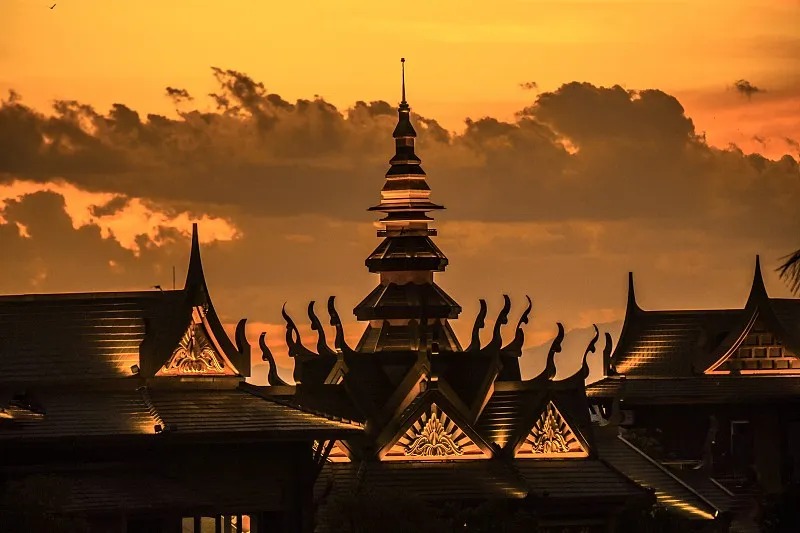
The town’s architectural style is dominated by traditional Dai-Thai features, incorporating Theravada Buddhist elements and southwestern Yunnan border residential characteristics. Stilted bamboo houses, carved colonnades, golden-roofed Dai pavilions and waterside custom streets interweave to present rich exotic border style. The block fully restores traditional Dai urban business forms, gathering ethnic delicacies, intangible cultural heritage handicrafts, ethnic costumes and folk performances. Regular activities such as water-splashing celebrations, peacock dances and elephant drum dances vividly reproduce the millennial folk customs of the Dai people. It serves as a cultural platform showcasing the Dai nation’s spirit of valuing education, believing in Buddhism and being warm and open, as well as a core block for experiencing the border fireworks and ethnic customs of Mangshi. Integrating ancient Dai charm with modern tourism vitality, the Dai Ancient Town is an essential landmark for understanding Mangshi’s indigenous ethnic culture and diverse border customs.
a9cf7c857f4657364022ddfbba3b8953

5. China-Myanmar Friendship Hall and Border Cultural Park

Located within Mangshi Border Cultural Park, China-Myanmar Friendship Hall is a core humanistic venue bearing the millennial “胞波 (fraternal)” friendship and border exchange history between China and Myanmar, as well as an important platform for foreign cultural exchanges on the western Yunnan border. China and Myanmar share contiguous mountains and rivers, similar geographical conditions and integrated cultures, maintaining age-old neighborly friendship and frequent exchanges. The fraternal bond between the two peoples has lasted for thousands of years. In ancient times, caravans traveled along the Southern Silk Road to promote bilateral trade and ethnic integration. In modern times, border residents of the two countries have helped and guarded each other, forming profound neighborly friendship.
Through abundant historical materials, pictures and physical exhibits, the exhibition hall systematically sorts out the millennial history of bilateral trade, cultural exchanges and border communication, vividly reproducing the warm stories of border residents trading, intermarrying and coexisting harmoniously. It fully displays the time-honored fraternal culture and integrated border civilization between China and Myanmar. The supporting park is equipped with border custom trails, ethnic cultural corridors and themed landscapes, blending the architectural and folk characteristics of both countries and highlighting the diverse and inclusive border culture of western Yunnan. Meanwhile, it serves as a display window for border red culture and anti-war heritage, recording the extraordinary years of frontier soldiers and civilians defending the homeland and stabilizing the border. As a core carrier of Mangshi’s border culture, this site witnesses the millennial integration history of the frontier and embodies the city’s spirit of neighborly friendship, openness and inclusiveness.
Leave a message
Leave a message
If you are interested in our services and want to know more details,please leave a message here,we will reply you as soon as we can.
Visa for China