
 English
 French
 Spanish
 Russian
 Arabic
 Italy
Italy
Pu 'er City, formerly known as Simao, is located in southwestern Yunnan Province, with the Tropic of Cancer running through its heart. It is the birthplace of Pu' er tea, the core origin of the Ancient Tea Horse Road, and home to the world's first UNESCO World Cultural Heritage site dedicated to tea culture. The city boasts an exceptionally high forest coverage rate and a year-round mild, comfortable climate with an average annual temperature of approximately 20°C, earning it the reputation as a true "Rainforest Tea City and Health and Wellness Spring City." Pu' er is inhabited by 14 indigenous ethnic groups, including the Han, Dai, Hani, Lahu, Wa, and Bulang peoples; the interplay of tea-growing rainforests, border region characteristics, and diverse ethnic cultures has shaped its unique urban character.
I. Core Tourist Attractions
(1) The Core Landmark of Tea Culture
1. The Ancient Tea Forest of Jingmai Mountain (World Cultural Heritage Site)
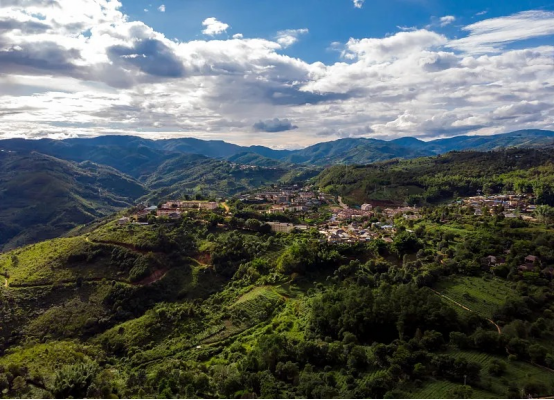
Located in Lancang County, this site boasts the world's most intact and largest continuous ancient tea forest spanning a millennium, comprising the Wengji Bulang Ancient Village, Nuogan Dai Ethnic Ancient Village, and Mangjing Village. The ancient tea trees grow in continuous patches along the mountainsides, perennially shrouded in mist and lush with greenery. The villages preserve authentic stilted wooden houses, historic Buddhist temples, and traditional tea customs; visitors can experience tea roasting by the fire pit, explore the thousand-year-old Tea King Tree, and witness sea of clouds and sunrise views. It also served as the filming location for the movie "Home at a Click," making it ideal for a leisurely visit with overnight accommodation to appreciate the serene essence of this millennia-old tea region.
2. Nake Li Tea-Horse Road Station
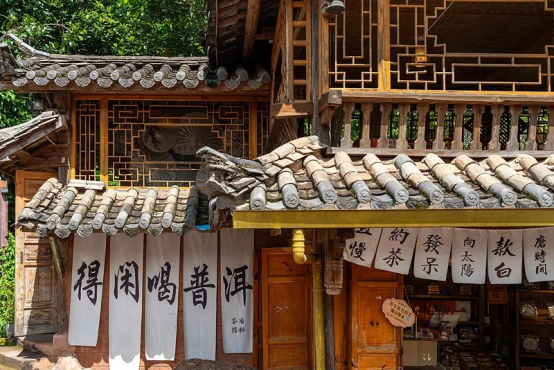
Located in Ning 'er County, this site served as a crucial stopover for the ancient horse caravans traveling along the Pu' er Route and is open to the public free of charge. The ancient cobblestone path retains hoof prints dating back centuries, varying in depth, while preserving intact historical landmarks such as the Wind-and-Rain Bridge, old water wheels, and traditional horse inns. Visitors can hike the historic trail, experience handcrafted tea pressing, ride horses through the gardens, and immerse themselves in the commercial prosperity and cultural heritage of the ancient Tea Horse Road.
3. China Pu'er Tea Expo Garden
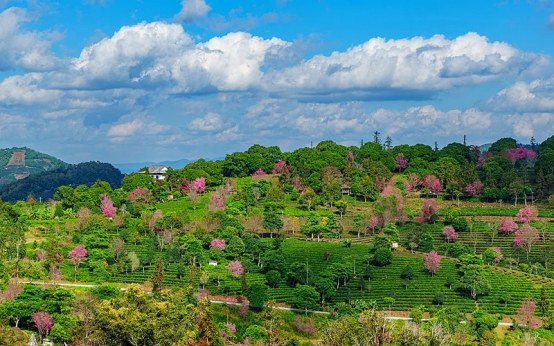
The Simao District 4A-rated tea-themed scenic area is nestled amidst vast terraced tea gardens spanning thousands of acres. It comprehensively showcases the entire production process of Pu 'er tea—from harvesting and fixation to rolling, steaming, pressing, and drying—allowing visitors to personally participate in tea picking, processing, and tasting. From the summit's Tea Inquiry Pavilion, visitors can enjoy a panoramic view of the boundless tea fields while gaining a thorough understanding of Pu 'er tea's millennia-long development history and cultural diversity.
4. Ancient City of Chama
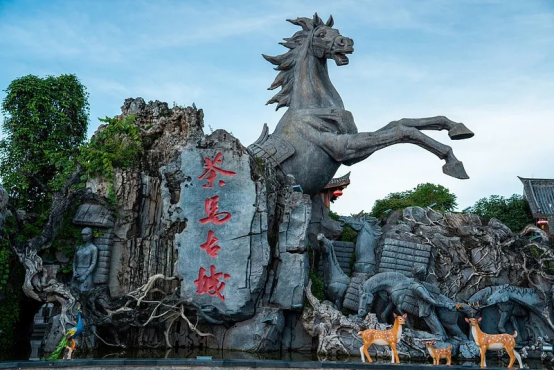
As the premier nighttime destination in Pu 'er city, this area features a cluster of ancient-style buildings exuding timeless charm, illuminated by dazzling lights at night. The district boasts markets showcasing intangible cultural heritage, ethnic handicrafts, specialty teas, and local snacks, with nightly events including traditional bonfire parties and cultural performances – making it the ideal place to experience Pu' er's vibrant nightlife and authentic ethnic culture.
(II) A Secret Natural Ecological Paradise
1. Taiyanghe National Forest Park (Xiniuping)
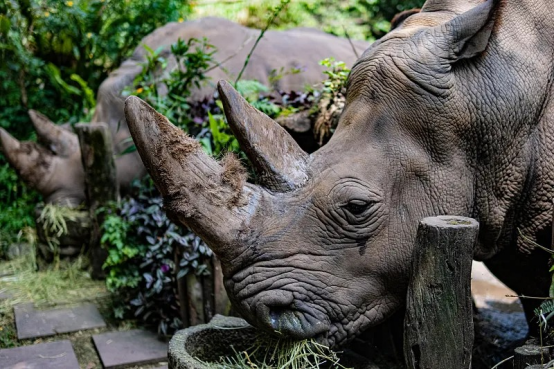
This premium rainforest scenic area along the Tropic of Cancer boasts lush vegetation and an exceptional ecological environment. Wild animals such as red pandas, gibbons, Asian elephants, and rhinoceroses live in semi-free-range habitats within the park. Wooden boardwalks wind through the primeval rainforest, offering opportunities to feed red pandas up close and observe diverse forest wildlife. The site features forest cabin homestays ideal for family trips, wellness retreats, and an immersive experience of the rainforest's natural beauty.
2. Mojiang North Line Signage Park
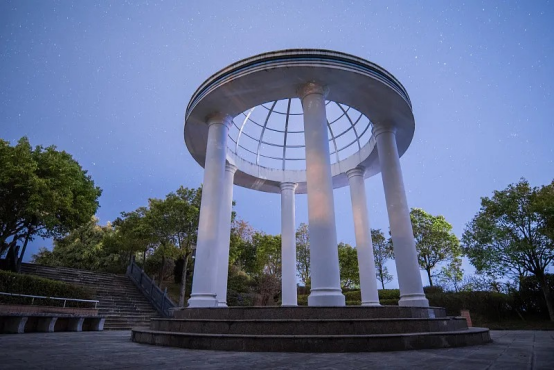
The world's largest tropical science education park along the Tropic of Cancer, where the celestial line runs through the grounds, clearly demarcates tropical and subtropical zones. At noon on the summer solstice, visitors can witness the unique astronomical phenomenon of "no shadow cast by standing poles." The park features attractions such as the Sun-Gazing Tower, Twin Wells, and the Tropic Gate, combining educational value with visual appeal. Mojiang is also renowned as the "Hometown of Twins," known for producing high-quality purple rice with distinct regional characteristics.
3. Meizi Lake Park
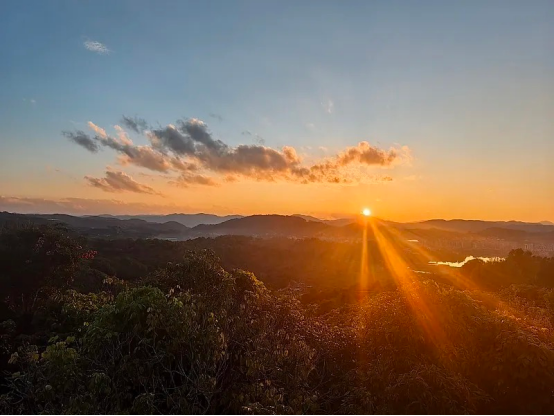
The Simao Urban Ecological Park, nestled among verdant mountains and surrounded by crystal-clear lakes, features a smooth and comfortable lakeside boardwalk, making it an ideal spot for locals to stroll, cycle, or enjoy leisure activities. At dusk, the sunset glow casts a serene and healing ambiance over the lake, establishing it as the city's premier green space for relaxation and recreation.
(III) Ethnic and Cultural Historical Sites
1. The ancient town of Menglianna Yun and the administrative office of the Xuanfu Commission
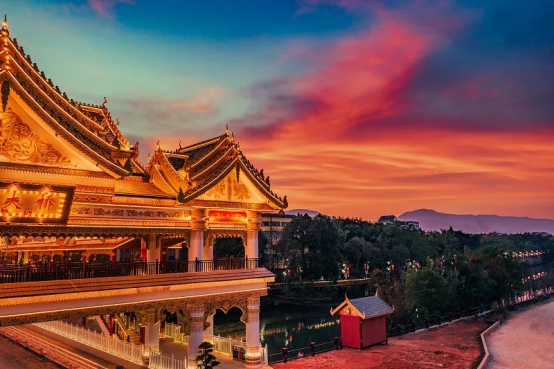
The Dai Royal City, with a history of 500 years, is the best-preserved example of a Dai chieftain's residence in Yunnan Province. Its administrative buildings feature exquisite wood carvings and rustic murals; the main Buddhist temple boasts a magnificent golden roof and a profound cultural atmosphere. The ancient town fully preserves traditional Dai lifestyle elements—visitors can explore Dai brocade workshops, experience Dai intangible cultural heritage, taste Menglian's specialty avocado and small-grained coffee, and immerse themselves in the cultural essence of the borderland Dai community.
2. Ximeng Mengsuo Longtan · Longmoye Sacred Site
The millennia-old sacred lake of the Wa people boasts emerald-green, crystal-clear waters surrounded by primeval forests, creating a serene and tranquil landscape. The Longmoye Sacred Site houses numerous ox-head sacrificial sculptures that embody the Wa people's ancient ritual culture and spiritual beliefs—a place of profound mystery and significance, serving as a key landmark for understanding their indigenous heritage.
3. National Unity Oath Monument
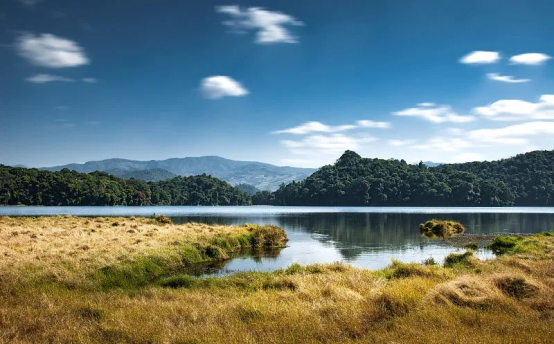
Located in Ning 'er County, it is a national red cultural landmark. In 1951,48 representatives from various ethnic groups in Pu' er erected a monument here to form an alliance, demonstrating unity and mutual support, and witnessing the long-standing tradition of integration, coexistence, and solidarity among Pu 'er's ethnic groups. It stands as a significant symbol of national ethnic unity.
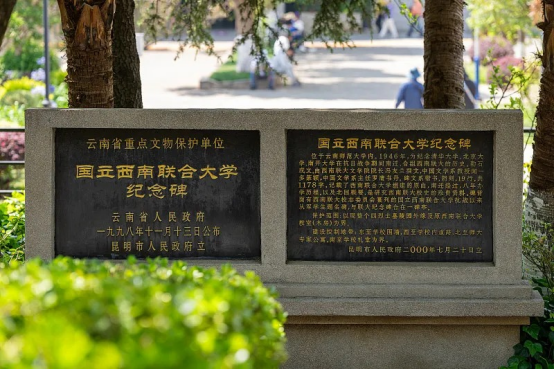
4. Jinggu Mengwo Buddhist Temple (Tree-Enclosed Pagoda, Pagoda-Enclosed Tree)
A rare natural and cultural phenomenon in China, where centuries-old trees intertwine with Buddhist pagodas to form a harmonious whole, remaining vibrant despite the passage of time. The serene ancient Pu'er Buddhist Temple stands as a significant sacred site of Theravada Buddhism, embodying both natural wonder and religious cultural significance.
II. Diverse Ethnic Cultures
Pu'er is a region in Yunnan rich in ethnic cultures, where multiple ethnic groups have lived together harmoniously for generations, giving rise to a unique tea culture, folk traditions, and border culture.
1. The Millennium Tea-Horse Trade and Tea Culture
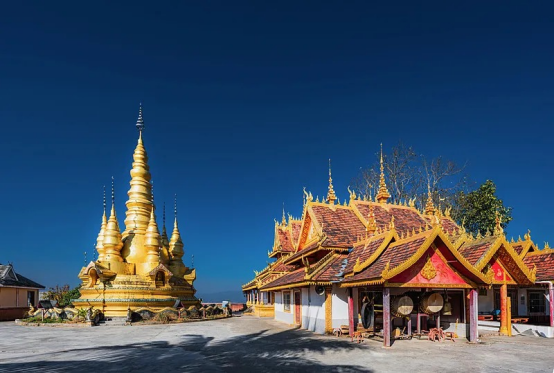
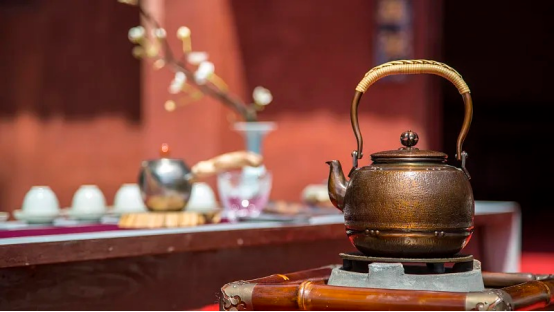
Pu 'er is the starting point of the Ancient Tea-Horse Road. For millennia, Pu' er tea has been transported along this ancient route to Xizang and Southeast Asia, giving rise to a long-standing caravan civilization. The local community preserves traditional tea-making and drinking techniques such as tea roasting in fire pits, bamboo tube tea, and jar tea. Drinking tea is not only a daily ritual for the people of Pu 'er but also the highest form of hospitality, with tea culture deeply ingrained in the city's very fabric.
2. Unique Ethnic Intangible Cultural Heritage and Folk Customs
The Lahu ethnic group, represented by the Laodaobao village in Lancang County, boasts the nationally recognized intangible cultural heritage creation epic "Mupami Pa" and the traditional Lusheng dance. Their people are renowned for their ability to sing when they speak and dance when they walk, embodying a rich musical and theatrical culture. The primary festivals celebrated include the Kuzha Festival (also known as the Great New Year or Little New Year).
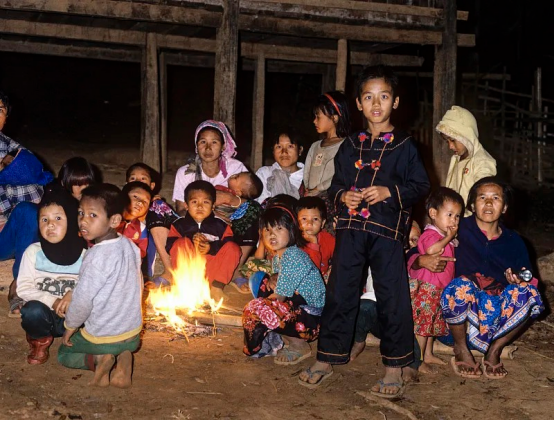
The Wa people primarily reside in Ximeng, Menglian and surrounding areas. Their cultural symbols include the wooden drum, hair-shaking dance, and ox-head sacrificial rites. Known for their simple yet vibrant customs, chicken stewed with rice is considered the ultimate delicacy for hosting guests, while the Wooden Drum Festival stands as their annual flagship celebration.
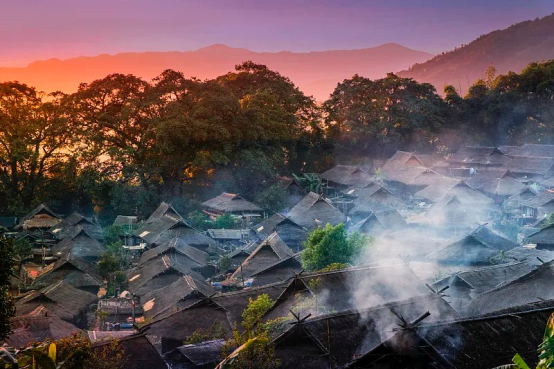
The Dai people uphold the culture of Theravada Buddhism and excel in Dai brocade and bamboo weaving. Their distinctive performances include the Peacock Dance and the Deer Dance. The Water Splashing Festival and the Door-Closing Festival are their most celebrated traditional celebrations, while their cuisine features a signature blend of sour, spicy, fresh, and aromatic flavors.
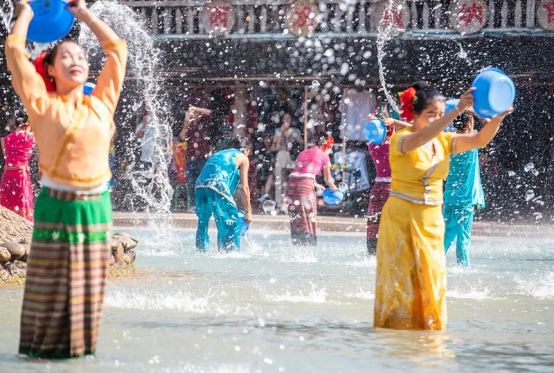
The Blang people: a tea-growing civilization with a history spanning millennia, have preserved the ancient Jingmai tea forests for generations while maintaining traditional practices such as tea worship rituals and bamboo-tube roasting techniques, making them key inheritors of Pu'er tea culture.
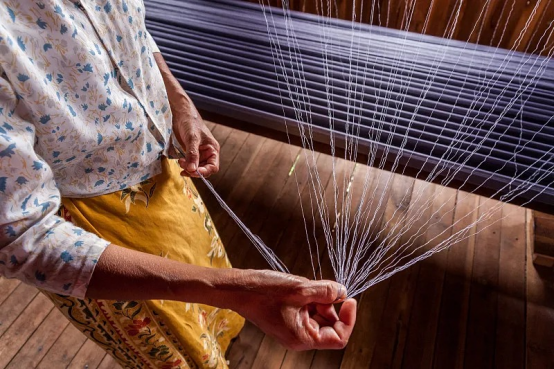
3. Cultural Features of Ethnic Unity
"Binong Saihai" is a unique cross-ethnic mutual assistance tradition in Pu 'er, where different ethnic groups support each other in labor, share resources, and live in harmony. Having been passed down for centuries, it has become the most distinctive symbol of ethnic unity culture in Pu' er.
4. Annual Special Festivals
In April, the Wa ethnic group celebrates the Wooden Drum Festival and the Dai ethnic group holds the Water Splashing Festival; in the first lunar month, the Lahu people observe the Kuzha Festival. Throughout the year, events such as the Tea Opening Festival, intangible cultural heritage performances at the Ancient Tea-Horse City, and ethnic bonfire parties are held irregularly, creating a vibrant festive atmosphere rich in distinctive ethnic traditions.
III. Traditional Dishes of Pu'er
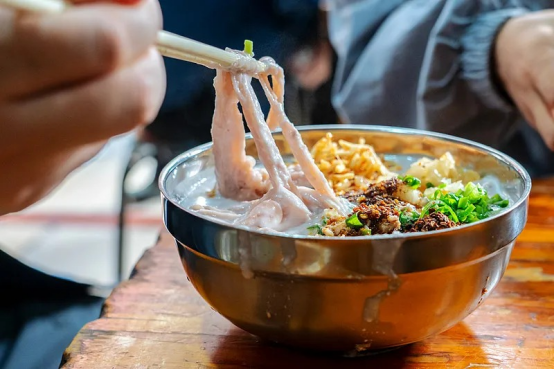
Pu'er cuisine blends flavors from multiple ethnic groups including the Dai, Wa, and Hani, featuring a distinctive blend of sour, spicy, fresh, and aromatic tastes made with locally sourced ingredients, showcasing unique regional characteristics.
IV. Summary of the Overall Characteristics of the City
Pu 'er boasts a mild and pleasant climate, with spring-like conditions year-round and evergreen vegetation, making it an ideal destination for summer retreats, wellness stays, and vacations. Its core industries revolve around four distinctive specialties: Pu' er tea, Yunnan small-grain coffee, Menglian avocado, and Mojiang purple rice, all renowned for their unique appeal. The local tourism offerings emphasize slow living in tea mountains, rainforest wellness experiences, cultural exploration of ancient villages, border region charm, and intangible cultural heritage studies. It is a distinctive southwestern tea city that combines ecological beauty, centuries-old tea culture, and diverse ethnic cultures into a perfect blend for living, traveling, and rejuvenation.