
 English
 French
 Spanish
 Russian
 Arabic
 Italy
Italy
Chinese Ethnic Culture
I. Overview of National Culture
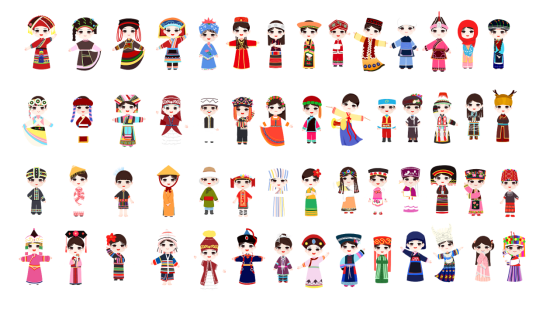
China is a unified multi-ethnic country comprising 56 ethnic groups, including the Han people and 55 minority groups. Over thousands of years, these various ethnic groups have intermingled, coexisted, and jointly forged the profound and diverse yet unified culture of the Chinese nation. Ethnic culture is an important component of China's outstanding traditional culture, encompassing numerous fields such as clothing, cuisine, architecture, festivals, music and dance, folk customs, beliefs, and handicrafts—harmonizing both unity and diversity.
The most fundamental characteristic of Chinese culture is its essence of "diversity within unity," "openness and inclusiveness," and "mutual support." The various ethnic cultures each possess unique traits and cherish their own distinct beauty, while also drawing upon one another and coexisting in harmony. Together, they have forged a national spirit characterized by solidarity, openness, diligence, courage, and relentless self-improvement – a spiritual bond that sustains national unity, ethnic solidarity, and social harmony.
II. Basic Overview of the 56 Ethnic Groups
Among the 56 ethnic groups, the Han people constitute the largest demographic group and have the most extensive distribution; they represent the dominant ethnic group. The other 55 ethnic minorities have relatively smaller populations and are predominantly concentrated in frontier and remote areas—such as those in southwestern, northwestern, and northeastern China—exhibiting a distribution pattern characterized by "large-scale mixed settlements, small-scale clustered settlements, and interwoven settlement patterns."
All ethnic groups, regardless of their population size, historical duration, or level of development, are equal before the law. Each ethnic group possesses its own unique historical traditions and folk culture; each constitutes an indispensable and vital part of the Chinese nation, together building the splendid Chinese civilization.
III. Core Classification of Chinese Ethnic Cultures
(1) Ethnic Festival Culture
Ethnic festivals represent the most concentrated and vibrant manifestation of the folk cultures of all ethnic groups; they embody ethnic beliefs, traditional customs, and cherished aspirations, serving as cultural treasures passed down through generations.
1. Traditional Han Chinese Festivals: the Spring Festival, Lantern Festival, Qingming Festival, Dragon Boat Festival, Mid-Autumn Festival, Chongyang Festival, among others—these festivals symbolize reunion, gratitude, prayers for blessings, and respect for the elderly; they are traditional celebrations observed by all members of society, with a history spanning thousands of years and a profound influence.
2. Ethnic Minority Special Festivals: the Dai Water-Splashing Festival, the Yi Torch Festival, the Mongolian Nadam Fair, the Zhuang "March 3rd Song Market," the Tibetan Xuedun Festival, the Hui Eid al-Fitr, the Miao Miao Nian Festival, and the Yao Panwang Festival; these festivals feature unique forms and vibrant atmospheres, showcasing the distinctive cultural traditions of each ethnic group.
(2) Ethnic Costume Culture
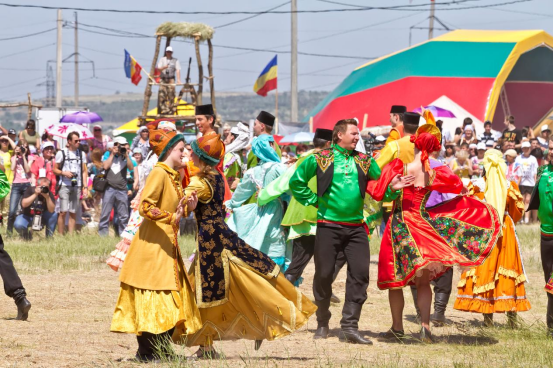
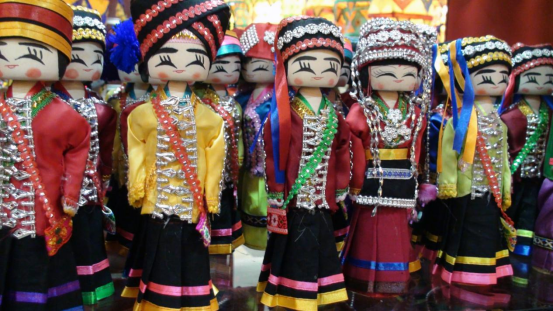
Clothing serves as a tangible symbol of ethnic identity; traditional attire of various ethnic groups develops distinctive characteristics shaped by regional climate, production methods, and aesthetic customs, with their styles, patterns, colors, and accessories all embodying unique cultural meanings.
1. Han Chinese attire: Represented by Hanfu, these garments feature well-defined silhouettes, a scholarly and dignified aesthetic, and emphasize the concept of "harmony between humanity and nature" and the orderly application of ritual norms; their intricate patterns carry auspicious meanings, serving as a tangible embodiment of China's ritual culture.
2. Ethnic minority traditional attire: Miao silver jewelry adorned garments, Yi ethnic embroidery clothing, Tibetan robes, Mongolian qipaos, Uyghur Aidalesi silk garments, Zhuang brocade garments, Dai tube skirts, etc. These garments feature exquisite craftsmanship and vibrant colors; techniques such as embroidery, silver ornamentation, and brocade weaving have been passed down through generations and hold significant artistic value.
(3) Ethnic Dietary Culture
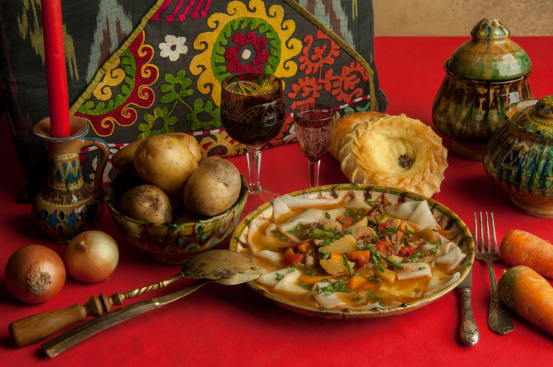
The cuisines of all ethnic groups in China adapt to local conditions and exhibit distinct characteristics, forming differentiated dietary systems based on regional resources and living habits, with diverse flavors and a comprehensive range of offerings.
1. Chinese cuisine boasts a rich variety of dishes, with its eight major culinary schools renowned worldwide; it emphasizes the perfect harmony of color, aroma, taste, and presentation, while also placing great importance on dining etiquette and health preservation concepts.
2. The ethnic cuisines of minority groups exhibit distinct regional characteristics: Mongolian milk tea and hand-grilled meat; Tibetan butter tea and tsampa; Dai people's pineapple rice and hand-grabbed rice; Zhuang people's five-colored glutinous rice; Uyghur-style grilled naan and local fruit delicacies; Miao people's sour soup fish, among others. This diverse culinary culture enriches the depth and diversity of China's overall food system.
(4) Ethnic Arts and Culture
All ethnic groups have given rise to distinctive forms of literature and art, which serve as a concentrated embodiment of their national spirit and aesthetic sensibilities; numerous traditional crafts have been inscribed on the National List of Intangible Cultural Heritage.
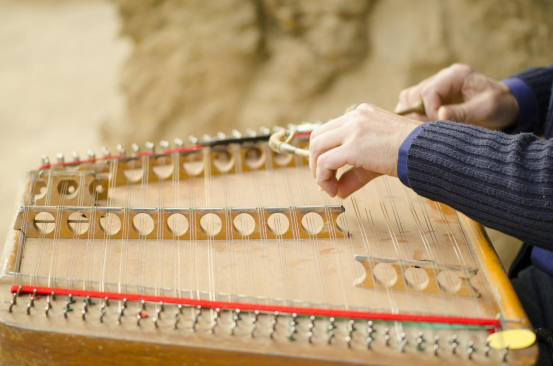
1. Performing arts: Han Chinese opera, traditional Chinese music, classical dance; Mongolian long song, horse-head fiddle, chopstick dance; Tibetan Guozhuang dance and Xianzi dance; Dai Peacock Dance; Uyghur Muqam art; Miao Flying Song; Zhuang folk songs, etc.
2. Handicrafts: Han ethnic group's paper-cutting, embroidery, ceramics, and wood carving; Miao ethnic group's silver jewelry forging and batik weaving; Zhuang ethnic group's Zhuang brocade; Yao ethnic group's embroidery; Yi ethnic group's lacquerware; Uyghur ethnic group's carpet weaving, among others—all characterized by exquisite craftsmanship and remarkable ingenuity.
(5) Ethnic Architectural Culture
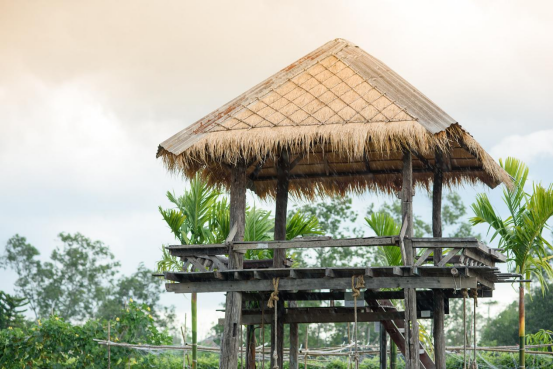
The architecture of all ethnic groups is seamlessly integrated with their natural environments and tailored to their respective lifestyles; its diverse styles and ingenious designs reflect the ancient people's wisdom in living in harmony with nature and adapting to local conditions. Traditional Han Chinese architecture—represented by siheyuan compounds, pavilions, and gardens—is characterized by its symmetrical layout, orderly structure, and timeless elegance. Ethnic minority architectural traditions include the Miao stilted houses, Dai bamboo houses, Tibetan watchtower-style dwellings, Mongolian yurts, Zhuang stilted buildings, and Uyghur residential houses—all combining practical functionality with artistic beauty.
IV. The Core Spirit of Ethnic Culture
1. Unity and Inclusiveness: The long-standing exchanges, integration, mutual assistance, harmonious coexistence, and solidarity among all ethnic groups have forged the fine tradition of unity and cohesion within the Chinese nation.
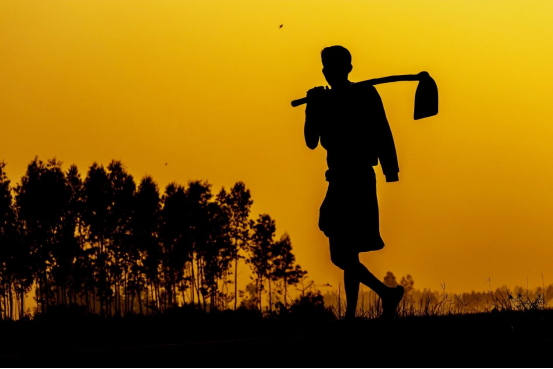
2. Hardworking and朴实: All ethnic groups adapt their practices to local conditions, engage in farming and labor, thrive and sustain themselves in diverse natural environments, create a better life with their own hands, and embody a spirit of diligence and perseverance.
3. Emphasis on Culture and Etiquette: All ethnic groups place great importance on ritual education, the transmission of family traditions, and respecting the elderly while showing kindness to the young, thereby fostering a folk ethos characterized by moral excellence, goodness, humility, and courtesy.
4. Innovative Heritage: While preserving their traditional cultures, all ethnic groups continuously embrace innovation, adapting ancient cultural traditions to the demands of the new era, ensuring their enduring vitality and seamless transmission through generations.
V. The Value and Significance of Ethnic Culture
1. Historical Value: Ethnic culture provides a complete record of the development processes, migration and integration, as well as production and lifestyle of various ethnic groups, serving as precious historical materials for studying Chinese history and ethnic evolution.
2. Cultural Value: The diversity of ethnic cultures has enriched the connotation of Chinese civilization, constitutes a core component of China's excellent traditional culture, and highlights the vastness and profundity of Chinese culture.
3. Spiritual Value: The national culture unites ethnic sentiments and strengthens ethnic identity; it serves as the spiritual foundation for maintaining ethnic solidarity and national unity, while enhancing national self-confidence and pride.
4. Contemporary Value: In the context of the new era, ethnic culture plays a pivotal role in empowering cultural tourism development and driving cultural innovation; it serves as a vital vehicle for cultural confidence and cultural export, injecting renewed vitality into these domains.
VI. Cultural Heritage and Development
Today, the state places great importance on the protection and inheritance of ethnic minority cultures, employing various approaches such as intangible cultural heritage preservation, folk custom transmission, integration of culture and tourism, and educational outreach to rescue endangered folk crafts and preserve classical ethnic cultures. The cultures of different ethnic groups are no longer confined to regional dissemination but have expanded nationwide and even globally, serving as an important window to showcase the charm of Chinese culture.
The cultures of all ethnic groups thrive together in harmony and coexist in unity; they preserve their unique characteristics while engaging in deep integration and mutual development, thereby continuously writing a new chapter in the cultural narrative of the Chinese nation's pluralistic unity.
VII. Cultural Tips
1. All ethnic cultures are equal; there is no distinction between superior and inferior, nor between high and low—each constitutes a precious cultural heritage of the Chinese nation.
2. Respecting the customs, religious beliefs, and dietary taboos of all ethnic groups forms the foundation for preserving ethnic culture and maintaining ethnic unity.
3. The integration of diversity is the most distinctive feature of Chinese national culture; inclusiveness, harmony, and unity constitute the core essence of this cultural heritage.